
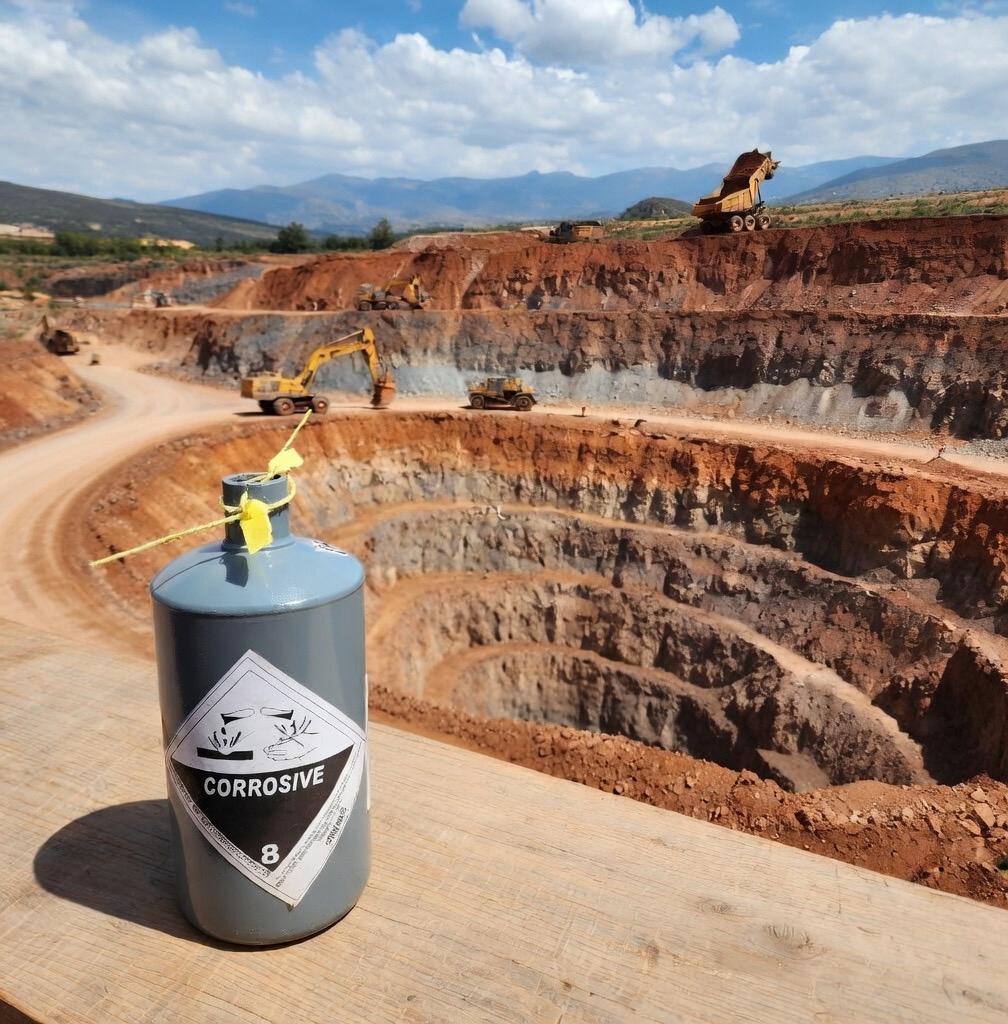
Silver has always had a strange twin walking beside it in industrial history, and that twin is mercury. When you combine the two with precision, you get high-purity silver mercury, a material quietly holding together processes most people never think about. Stick around, because the industries relying on it might surprise you.
What Exactly Is This Material?
High-purity silver mercury is a refined alloy combination where mercury binds with silver at exceptionally controlled purity levels, stripping away contaminants that would otherwise weaken performance. This precision matters because even trace impurities can throw off conductivity, stability, or reactivity in sensitive applications.
Dental Science Still Leans On It
Dental amalgams have used silver-mercury blends for over a century, and despite newer composites entering the market, many practitioners still trust this combination for durability. It resists wear from chewing forces exceptionally well, making it a dependable choice for molars that face constant pressure daily.
Electronics Manufacturing Can’t Quite Let Go
Certain switches, relays, and specialized contacts rely on silver-mercury combinations because of their unique conductive stability under repeated use. Manufacturers producing tilt switches or mercury-wetted relays depend on this purity level to keep signal transmission consistent, avoiding the flickers or failures that cheaper alternatives introduce.
Laboratory and Analytical Instrumentation
Scientific instruments measuring trace elements often use silver-mercury electrodes because of their sensitivity to minute chemical changes. Analytical chemists working with polarography or voltammetry techniques find this material indispensable, since it detects concentrations that other electrode materials simply cannot register with equal precision.
The Mining and Metallurgical Connection
Gold and silver extraction historically used mercury amalgamation, and while regulations have tightened globally, small-scale operations in certain regions still depend on this method. High-purity silver mercury allows more efficient recovery rates during amalgamation, separating precious metals from ore with fewer processing steps involved.
Thermometry and Precision Measurement Tools
Before digital sensors took over, mercury thermometers ruled temperature measurement, and silver-mercury variants offered enhanced accuracy for scientific settings. Some legacy calibration instruments in laboratories and industrial plants still use these blends, particularly where extreme accuracy matters more than convenience or modern replacement costs.
Battery and Energy Storage Applications
Older battery chemistries, particularly button cell batteries used in watches and medical devices, historically incorporated mercury for stability and shelf life. While environmental regulations have pushed manufacturers toward alternatives, speciality batteries requiring long-term stable output sometimes still reference silver-mercury compositions in legacy designs.
Jewelry Restoration and Antique Conservation
Conservators restoring antique mirrors, silverware, and decorative pieces occasionally encounter original silver-mercury coatings from centuries-old techniques like fire-gilding. Understanding this material helps restoration specialists preserve historical accuracy, since replicating original methods requires knowledge of how these alloys were originally formulated and applied.
Why Purity Levels Matter So Much
Impurities in silver-mercury blends can cause unpredictable reactions, reduced conductivity, or premature material breakdown across every industry mentioned above. That’s why suppliers emphasize rigorous refining processes, ensuring the final product meets exacting standards before it reaches dental labs, electronics factories, or research institutions.
Wrapping It Up
From dental chairs to laboratory benches, high-purity silver mercury continues to shape industries that demand precision above convenience. Its unusual chemistry bridges old-world craftsmanship and modern science, proving that some materials never really go out of style; they just find new rooms to work in.
Frequently Asked Questions
1. Why hasn’t dentistry fully moved away from silver-mercury amalgams?
Amalgams offer proven longevity and cost efficiency, especially for back teeth handling heavy chewing loads. Composite alternatives exist, but many dentists still trust amalgam’s decades-long track record for durability.
2. Can this material be recycled once it’s used?
Yes, specialized recovery facilities extract and purify mercury from used dental amalgams, electronics, and instruments. Proper recycling prevents environmental contamination while recovering valuable silver content for future reuse.
3. Is handling this material dangerous for workers?
Handling requires strict safety protocols since mercury vapor exposure poses health risks over time. Industries using it follow ventilation standards, protective equipment requirements, and regulated disposal procedures rigorously.
4. Why do electronics still use mercury-based switches today?
Mercury-wetted contacts provide bounce-free switching and exceptional reliability in specific applications like precision timing devices. Modern alternatives exist, but legacy equipment and niche instruments still depend on this reliability.
5. Are there regions where this material faces heavier restrictions?
Yes, many countries have signed international agreements limiting mercury use in consumer products and mining operations. Regulations vary significantly, pushing industries toward safer alternatives wherever feasible replacements exist.

Need Industrial Chemical Supply?
AsydeX Labs supplies high-purity chemicals to mining operations worldwide. ISO 9001:2015 certified.
Request a Quote →