
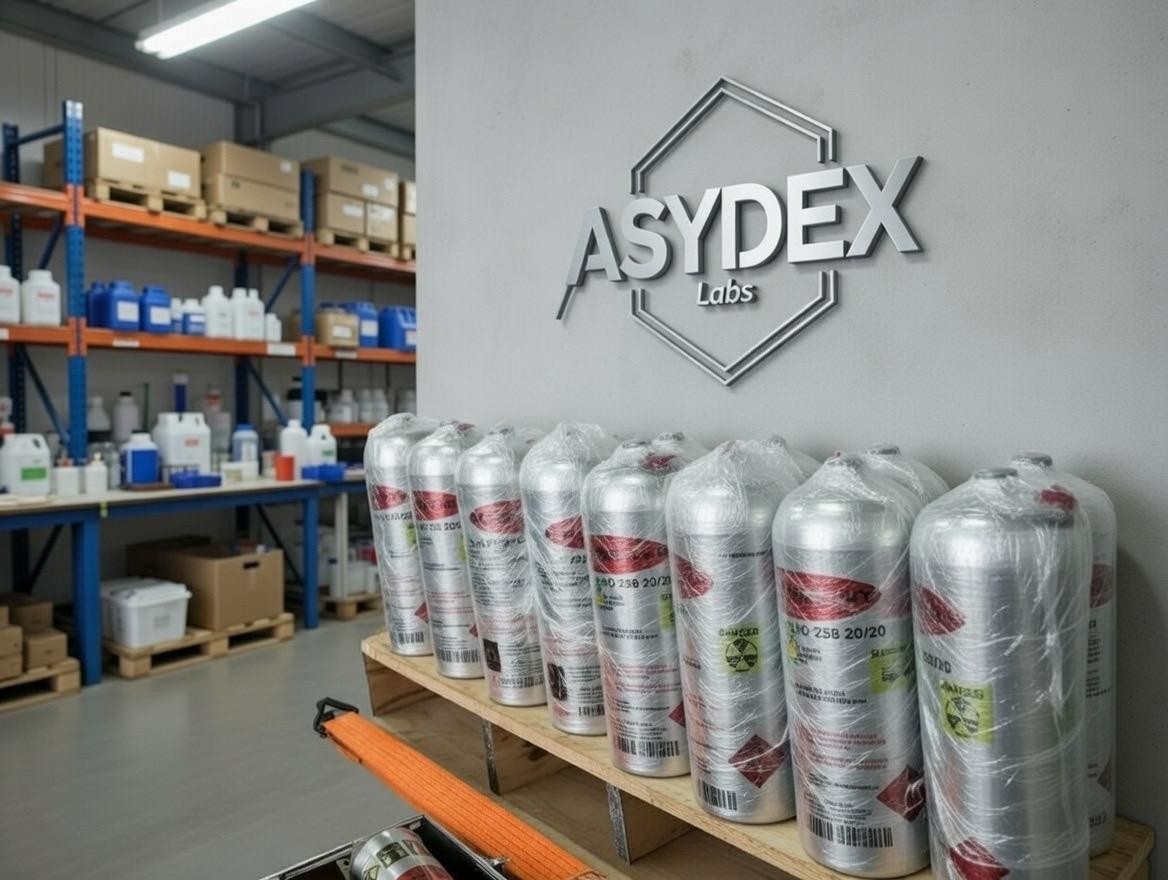
“A mysterious substance promising extraordinary mining results deserves extraordinary scrutiny.” Searching for buy red mercury for mining can quickly lead you through online listings, dramatic claims, anonymous sellers, and conflicting information. The central question is not where to purchase it, but whether the substance being advertised is scientifically recognised and legally legitimate in the first place. This guide explains where miners can find dependable information, how to assess claims, which warning signs matter, and what questions to ask before making a decision. Read through to the end to avoid costly assumptions and misleading offers.
What Is Red Mercury, According to Reliable Sources?
Red mercury is a purported substance that has circulated for decades through rumours, fraudulent offers, and unverified claims. There is no credible scientific consensus establishing a commercially available substance called “red mercury” with the extraordinary mining properties often attributed to it.
A legitimate mining material should have an identifiable chemical composition, recognised applications, safety documentation, and reliable technical literature. When sellers cannot provide these fundamentals, their claims deserve careful examination rather than immediate acceptance.
Why Do Mining Claims About Red Mercury Attract Attention?
Mining frequently involves valuable minerals, expensive equipment, and complex recovery processes. That environment can make claims about an unusual material particularly appealing, especially when advertisements promise easier extraction or unusually high recovery rates without explaining the underlying chemistry.
Look beyond the promise: Ask whether independent laboratories, universities, recognised mining publications, or established technical organisations support the claimed application. A statement repeated across multiple websites does not become scientifically reliable simply because it appears frequently.
Where Should You Research Before Considering Any Purchase?
Reliable information begins with sources that have identifiable expertise and accountability. Government departments, recognised geological organisations, universities, peer-reviewed research, established mining publications, and occupational safety authorities can provide considerably stronger evidence than anonymous marketplace listings.
Prioritise authoritative sources: Search for technical papers, chemical safety information, geological research, and official regulatory guidance. Compare information from several independent sources instead of relying on a seller’s description, testimonial, promotional video, or social media post.
How Can You Check Whether a Mining Claim Is Scientifically Supported?
A credible claim should be testable. If someone says a material improves mineral recovery, they should be able to explain its composition, mechanism, application method, measurable results, and limitations. Unsupported statements about secret formulas or revolutionary discoveries should immediately encourage deeper investigation.
Look for named researchers, published experiments, laboratory results, identifiable chemical information, and reproducible testing. If an advertisement provides none of these details, treat the claim as unverified rather than assuming missing evidence proves effectiveness.
What Role Do Government and Regulatory Sources Play?
Government agencies can help clarify chemical controls, environmental requirements, hazardous-material regulations, import restrictions, and mining-related obligations. These sources are especially valuable because regulatory requirements can vary according to the substance, location, intended use, and quantity involved.
Before handling or importing any alleged chemical material, identify the relevant environmental, mining, customs, workplace-safety, and chemical-control authorities in your jurisdiction. Never assume that an online seller’s statement about legality is sufficient evidence.
How Can You Recognise a Suspicious Red Mercury Listing?
Fraudulent chemical listings often rely on urgency, secrecy, extraordinary returns, unverifiable certifications, or pressure to make payment quickly. Some sellers may also use technical terminology to create an appearance of legitimacy without providing information that can actually be independently checked.
Be cautious when sellers:
- Demand advance payment
- Refuse independent testing
- Provide vague certificates
- Avoid discussing chemical composition
- Promise guaranteed results
Why Is Independent Laboratory Testing Important?
Laboratory analysis can establish what a material actually contains, rather than what a seller says it contains. For any unfamiliar chemical substance, independent testing may help determine composition, contamination, physical characteristics, and potential hazards before handling or use is considered.
Choose a properly accredited laboratory with relevant analytical capabilities. The laboratory should receive complete information about the sample and intended analysis. Never allow the seller to dictate which laboratory performs verification when you are assessing the seller’s own claims.
What Should You Ask a Seller Before Trusting Their Claims?
A serious supplier should be able to answer technical and legal questions clearly. Ask for the material’s precise chemical identity, safety documentation, laboratory analysis, intended industrial application, regulatory status, and evidence supporting its proposed mining use.
Request verifiable documentation: Check whether certificates contain identifiable laboratory details, dates, sample information, testing methods, and contact information. Then verify those details independently. A document that looks official is not necessarily genuine, particularly when it cannot be confirmed with its issuing organisation.
Before You Act, Use This Verification Checklist
A short verification process can prevent a costly mistake. Before considering any unfamiliar mining substance, establish exactly what it is, whether its claimed properties are supported, whether its handling is lawful, and whether independent testing confirms the seller’s description. Check these essentials:
- Confirm chemical identity
- Independent laboratory evidence
- Safety documentation
- Regulatory requirements
- Supplier credentials
- Refund terms
- Intended application
If several critical answers remain unclear, postponing the transaction is more sensible than relying on an extraordinary promise.
Final Takeaway
Mining decisions should rest on chemistry, testing, regulations, and measurable performance, not mysterious descriptions or impressive promises. When researching buy red mercury for mining, begin with independent scientific literature, government guidance, accredited laboratories, and qualified mining professionals. If the material’s identity, effectiveness, legality, or safety cannot be independently established, treat the offer as unverified and avoid committing money or exposing workers to an unknown substance. A careful investigation may take longer, but it can protect your finances, operation, workforce, and reputation from a preventable mistake.
Frequently Asked Questions
1. Is red mercury a recognised mining chemical?
No established scientific evidence demonstrates that the purported substance has the extraordinary mineral-recovery properties commonly claimed in advertisements or informal mining discussions.
2. How can I verify claims made by a red mercury seller?
Request independently verifiable laboratory reports, chemical identification, safety documentation, and regulatory information, then confirm those details directly with relevant organisations.
3. Should I trust online marketplaces selling red mercury?
Online listings should not automatically be considered evidence of authenticity. Verify the substance independently before considering any transaction, especially when claims appear extraordinary.
4. Can a laboratory determine what an unknown substance contains?
Yes, an appropriately equipped laboratory can perform analytical testing to identify chemical constituents and characteristics, depending on the sample and selected testing methods.
5. What should miners use instead of unverified substances?
Miners should select established mineral-processing methods based on ore characteristics, metallurgical testing, environmental requirements, regulatory obligations, and advice from qualified professionals.

Need Industrial Chemical Supply?
AsydeX Labs supplies high-purity chemicals to mining operations worldwide. ISO 9001:2015 certified.
Request a Quote →