When sourcing chemicals for mining and industrial operations, choosing the cheapest option may look like a smart way to control costs. But the lowest quoted price does not always mean the lowest overall cost. An industrial chemical supplier can influence product consistency, processing efficiency, operational reliability, safety, and even production downtime.
For businesses handling mineral processing and mining applications, chemical sourcing should therefore be evaluated as a complete value decision, not simply a price comparison.
What Makes Chemical Sourcing More Than a Price Decision?
The real cost of a chemical depends on how well it performs in the intended application. A cheaper product that requires higher dosages, produces inconsistent results, or causes processing delays can quickly become more expensive.
A reliable sourcing decision considers:
- Chemical quality and consistency
- Product performance in the intended application
- Supply availability and lead times
- Storage and handling requirements
- Technical support
- Safety and compliance
- Total cost per application, not just purchase price
This is particularly important in mining, where chemical performance can affect processes such as mineral separation, flotation, extraction, and recovery.
Why Chemical Quality Matters in Mining Applications
Mining operations often work with variable ore characteristics. Chemical requirements may therefore change according to the material being processed and the desired recovery results.
An experienced industrial chemical supplier should be able to provide products with consistent specifications and appropriate technical information. Consistency matters because unexpected variations in chemical performance can affect process stability and production outcomes.
For example, saving money on a chemical that performs inconsistently may require operators to make frequent process adjustments. The resulting labor, downtime, and material losses can outweigh the initial purchase savings.
Consider Performance Per Unit, Not Price Per Unit:
A useful way to compare suppliers is to calculate the cost per successful application.
Instead of asking, “Which chemical costs less per kilogram?”, consider:
- How much product is required?
- What recovery or processing result does it deliver?
- How consistent is its performance?
- Does it increase maintenance or handling requirements?
- Can the supplier maintain reliable deliveries?
This approach gives purchasing teams a clearer picture of actual value.
How the Right Industrial Chemical Supplier Adds Value
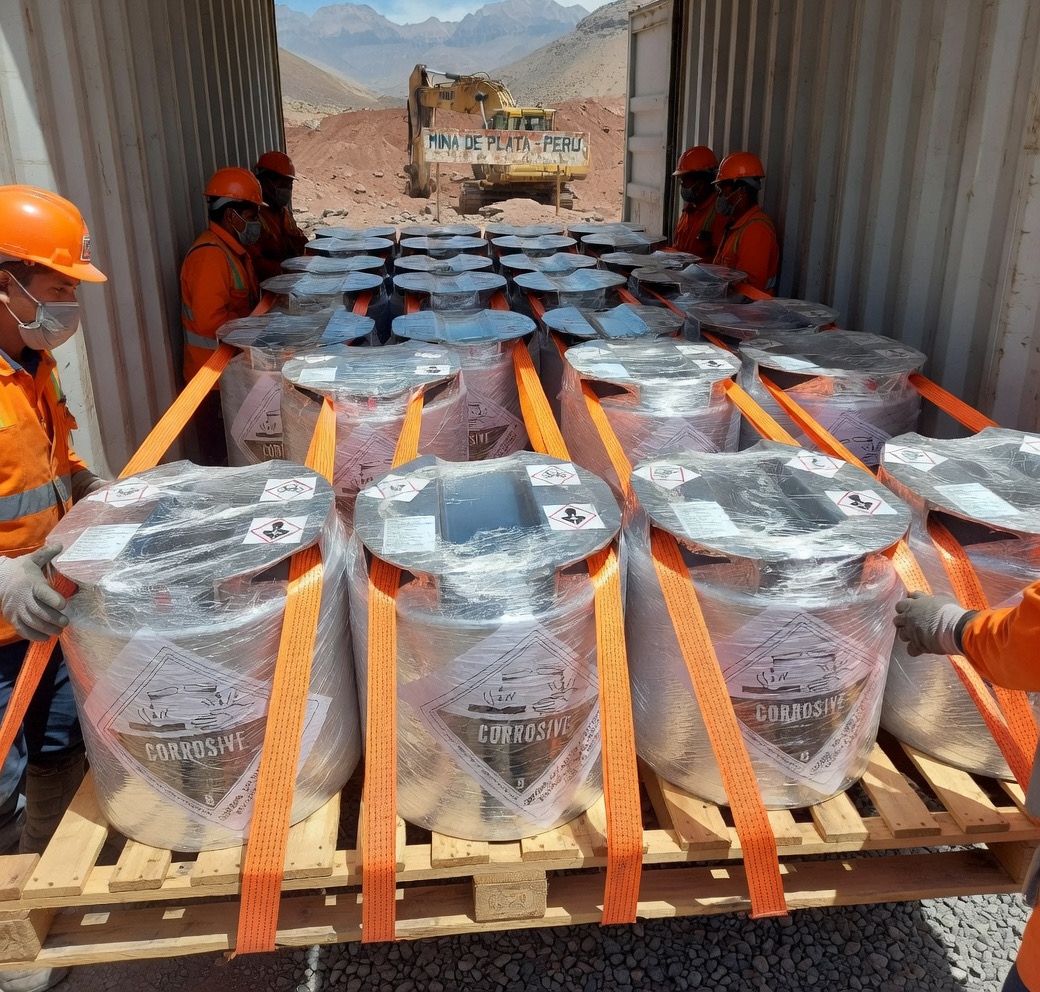
A capable supplier does more than deliver drums, bags, or containers. Technical knowledge can be especially valuable when chemicals are used in complex industrial processes.
Look for a supplier that can offer:
- Clear product specifications and documentation
- Reliable batch-to-batch consistency
- Appropriate packaging and handling guidance
- Technical assistance when required
- Dependable supply planning
- Transparent communication about product capabilities
For mining businesses, this support can make chemical procurement part of a broader process-improvement strategy.
Should Businesses Always Choose the Cheapest Chemical?
No. The cheapest chemical is not necessarily the most economical choice. Businesses should compare total operating value, including dosage, performance, reliability, logistics, safety, and potential downtime.
A slightly higher-priced product that improves process consistency or reduces consumption may deliver greater savings over time.
The Final Takeaway!
Effective chemical sourcing is about balancing price, performance, reliability, and operational requirements. Selecting the right industrial chemical supplier can help businesses make better purchasing decisions while supporting consistent industrial and mining processes.
Rather than choosing the lowest quotation, evaluate what you receive for the total cost. In chemical procurement, the best deal is often the one that delivers dependable performance and predictable results.
Frequently Asked Questions
1. How do I choose an industrial chemical supplier?
Evaluate product quality, consistency, technical documentation, supply reliability, delivery capability, safety information, and technical support. For mining applications, also consider whether the supplier understands the specific processing requirements and can provide chemicals suitable for the intended application.
2. Why is chemical quality important in mineral processing?
Chemical quality can directly influence process consistency and performance. Variations in chemical composition or effectiveness may require process adjustments and can affect recovery, dosage, and operating efficiency. Consistent products help operators maintain more predictable processing conditions.
3. Is buying industrial chemicals in bulk always cheaper?
Not necessarily. Bulk purchasing can reduce the unit price, but storage capacity, shelf life, handling requirements, transportation, and actual consumption should also be considered. Buying more than an operation can safely or efficiently use may increase total costs rather than reduce them.
4. What should I compare between chemical suppliers?
Compare more than quoted prices. Examine chemical specifications, product consistency, dosage requirements, delivery reliability, technical support, packaging, documentation, and overall application performance. A total-cost comparison provides a more useful basis for selecting an industrial chemical supplier.
5. How can suppliers support mining operations?
A knowledgeable supplier can support mining operations through suitable chemical products, consistent supply, technical information, handling guidance, and application-focused assistance. This can help procurement teams select products based on operational requirements rather than relying solely on the lowest purchase price.

Need Industrial Chemical Supply?
AsydeX Labs supplies high-purity chemicals to mining operations worldwide. ISO 9001:2015 certified.
Request a Quote →