One wrong sourcing decision can put an entire mining operation at legal and environmental risk. Mercury remains a tightly regulated material worldwide, and working with the wrong supplier can mean fines, shipment seizures, or worse, long-term harm to workers and surrounding communities. That’s exactly why finding a compliant mercury supplier for mining deserves far more scrutiny than most buyers give it. Read on, because the certifications discussed here could save your operation from costly regulatory setbacks down the line.
Why Compliance Isn’t Optional in Mercury Sourcing
Mercury is classified as a hazardous substance under international law, primarily due to its toxicity and environmental persistence. Any supplier handling it must operate within strict legal frameworks, and buyers who skip due diligence often inherit liabilities they never anticipated.
The Real Cost of Choosing Poorly:
- Legal exposure. Non-compliant sourcing can trigger penalties under national and international trade regulations.
- Operational disruption. Shipments lacking proper documentation frequently get delayed or confiscated at borders.
Understanding the Minamata Convention’s Role
1. What This Global Treaty Actually Covers
The Minamata Convention on Mercury is an international agreement designed to reduce mercury emissions and control its trade. Reputable suppliers align their practices with this treaty, ensuring sourcing, storage, and transport meet globally recognised environmental standards.
2. Why Supplier Alignment Matters to You
Working with a supplier that follows Minamata Convention guidelines protects your operation from being unknowingly tied to illegal trade routes or unregulated mercury sources, which carry serious reputational and legal consequences for mining businesses.
Certifications Worth Verifying Before Signing Any Contract
1. ISO 14001 for Environmental Management
This certification confirms that a supplier maintains structured environmental management systems, covering waste handling, emissions control, and resource use. It signals accountability toward minimising ecological impact throughout the supply chain.
2. ISO 45001 for Occupational Health and Safety
Handling mercury safely requires rigorous workplace protocols. Suppliers certified under ISO 45001 demonstrate documented procedures for protecting employees from exposure risks, which reflects directly on how responsibly your own supply chain operates.
3. Chain of Custody Documentation
Proper chain of custody paperwork traces silver mercury from extraction or recycling through every point of transfer. This transparency helps confirm the material wasn’t sourced through illegal mining operations or unregulated channels.
Regulatory Licensing You Shouldn’t Overlook
1. National Export and Import Permits
Legitimate suppliers hold valid permits issued by their country’s regulatory authority, allowing lawful export of controlled substances. Always request copies of these permits rather than accepting verbal assurances during initial negotiations.
2. Compliance With Destination Country Regulations
A supplier’s home country approval isn’t enough. They must also demonstrate awareness of your country’s import restrictions, ensuring your shipment won’t be rejected or flagged upon arrival due to mismatched regulatory requirements.
Safety Data and Transparent Handling Practices
1. Material Safety Data Sheets (MSDS)
Every reputable supplier provides detailed MSDS documentation outlining handling precautions, storage conditions, and emergency response measures. This document is non-negotiable and should accompany every shipment without exception or delay.
2. Packaging and Transport Standards
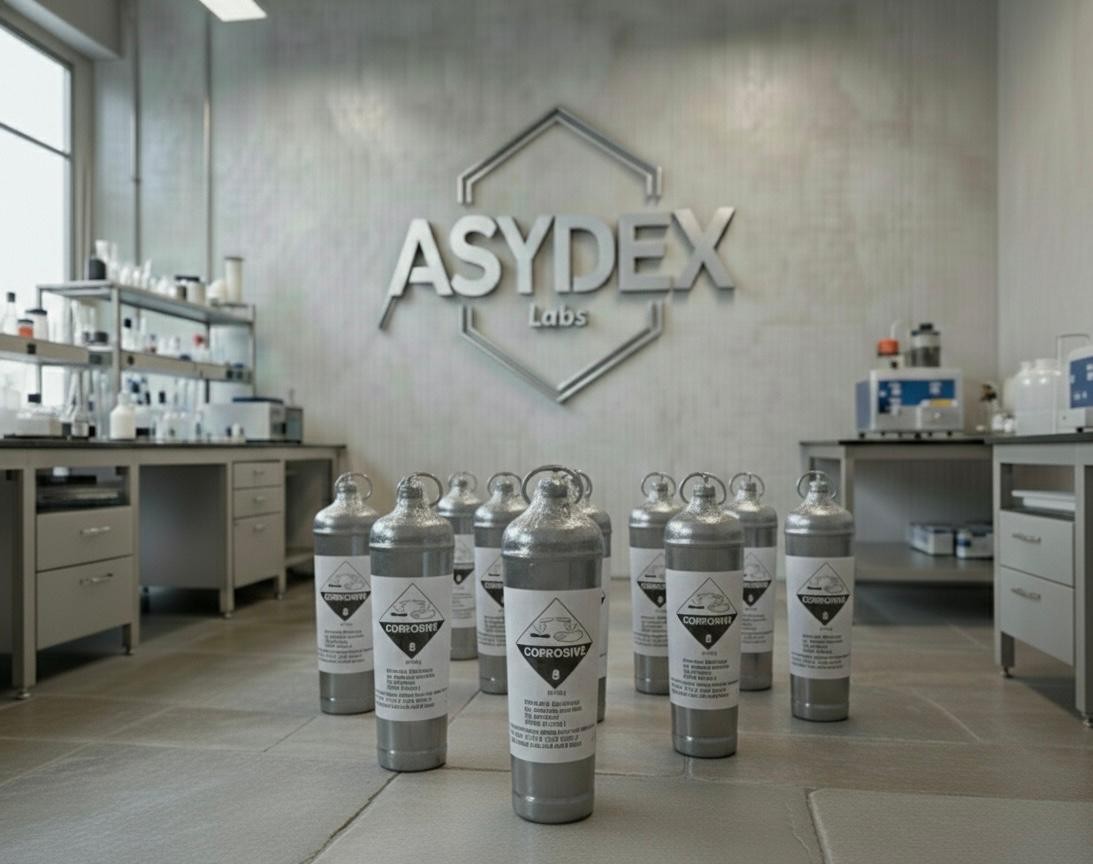
Mercury requires specialised containment to prevent leaks or contamination during transit. Suppliers following UN packaging standards for hazardous materials reduce risks significantly compared to those cutting corners on transport infrastructure.
Red Flags That Signal a Risky Supplier
1. Reluctance to Share Documentation
If a supplier hesitates or delays when asked for certifications, permits, or safety sheets, treat this as a warning sign. Transparency should never feel like an inconvenience for a genuinely compliant business.
2. Prices That Seem Too Good
Unusually low pricing often indicates corners being cut somewhere in the supply chain, whether through unregulated sourcing, improper storage, or bypassed safety measures that eventually become your operational problem.
Building a Long-Term, Compliant Supply Relationship
1. Regular Audits and Renewed Certifications
Compliance isn’t a one-time checkbox. Periodic audits and updated certifications confirm your supplier continues meeting evolving regulatory standards, protecting your operation from future disruptions caused by lapsed approvals or policy changes.
2. Open Communication Channels
A trustworthy supplier keeps you informed about regulatory shifts affecting mercury trade, giving your operation time to adapt sourcing strategies rather than scrambling after restrictions tighten unexpectedly.
Wrapping It Up
Choosing the right partner shapes far more than logistics; it protects your operation legally, environmentally, and reputationally. When evaluating a mercury supplier for mining, prioritise verified certifications, transparent documentation, and proven regulatory alignment over convenience or lower costs. Careful due diligence today prevents disruptions that could otherwise stall your operations for months ahead.
Frequently Asked Questions
1. Can a supplier be compliant in one country but not another?
Yes, regulations vary by jurisdiction, so a supplier meeting export standards at home may still fail to satisfy your country’s specific import or handling requirements.
2. How often should compliance documentation be renewed?
Most certifications require annual or biennial renewal, though timelines vary by certifying body, so buyers should request updated documents before every major shipment or contract renewal.
3. Does chain of custody documentation guarantee ethical sourcing?
It significantly reduces risk by tracing material origin, though buyers should still verify documentation authenticity through independent checks rather than relying solely on supplier claims.
4. What happens if customs flag a non-compliant shipment?
Shipments can be delayed, seized, or returned, often resulting in financial losses and potential legal scrutiny for the receiving mining operation, not just the supplier involved.
5. Are smaller suppliers less likely to meet compliance standards?
Not necessarily; size doesn’t determine compliance. Some smaller suppliers maintain rigorous standards, while larger ones may cut corners, so certifications matter more than company scale.

Need Industrial Chemical Supply?
AsydeX Labs supplies high-purity chemicals to mining operations worldwide. ISO 9001:2015 certified.
Request a Quote →