
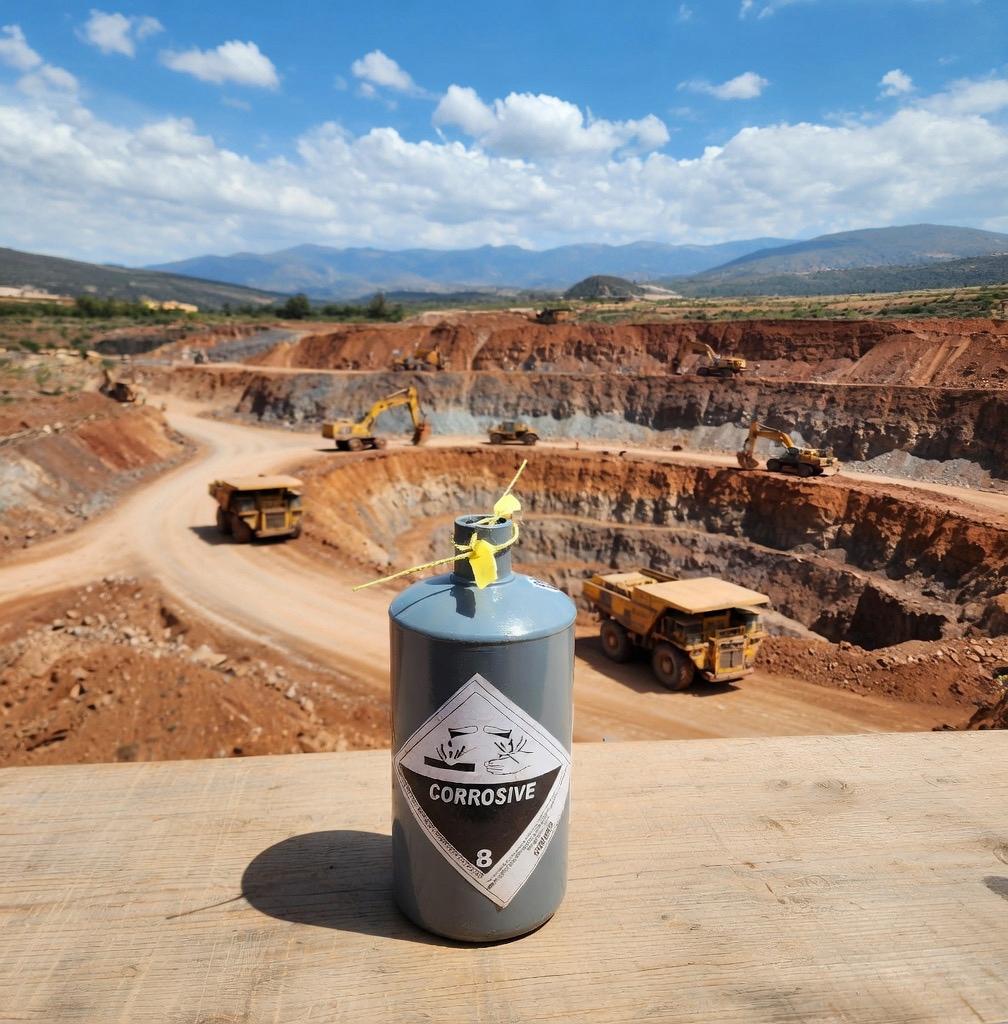
Gold extraction involves chemical handling, mining operations, and strict safety practices. Workers need the right protective gear to reduce the risk of burns, harmful fumes, and chemical exposure. Gold extraction chemical solutions require careful handling, proper training, and suitable personal protective equipment (PPE) to protect workers and support safer mining operations.
Why Is Safety Gear Important in Gold Extraction?
Gold processing may involve hazardous chemicals that can harm the skin, eyes, lungs, and other body parts. The level of protection depends on the chemical, its concentration, and the work environment.
Mining operators should review each product’s Safety Data Sheet (SDS) before use. The SDS explains the hazards, required protective equipment, storage rules, and emergency steps.
1. Chemical-Resistant Gloves
Gloves protect workers from direct contact with hazardous chemicals. However, not every glove material suits every chemical.
Choose gloves according to the chemical’s SDS and the manufacturer’s compatibility guidance. Workers should check gloves for tears, holes, or damage before each task.
Safety tips:
- Select gloves that resist the specific chemical.
- Replace damaged or contaminated gloves promptly.
- Follow proper removal and disposal procedures.
- Never assume ordinary work gloves provide chemical protection.
2. Chemical Splash Goggles and Face Shields
Chemical splashes can cause serious eye injuries. Workers should wear chemical splash goggles when handling hazardous liquids. A face shield can provide extra protection against splashes, but it should not replace suitable goggles.
Mining teams should also keep emergency eyewash facilities near chemical handling areas. Workers need clear instructions on how to respond to accidental exposure.
3. Protective Clothing and Chemical-Resistant Boots
Protective clothing helps prevent chemical contact with the skin and everyday clothing. Depending on the chemical and task, workers may need chemical-resistant coveralls, aprons, and boots.
Choose protective materials that match the chemical’s hazards. Inspect clothing before use and replace damaged items. Workers should also remove contaminated clothing safely and follow the site’s decontamination procedures.
4. Respiratory Protection and Ventilation
Some mining chemicals can release dangerous vapors, gases, or dust. Proper ventilation helps control exposure, while suitable respiratory protection offers an additional layer of safety when a risk assessment requires it.
Workers should never choose a respirator based on guesswork. A qualified safety professional must select the correct type for the specific hazard. Tight-fitting respirators also require proper fit testing and training.
Never rely on a respirator as a substitute for effective ventilation or chemical hazard controls.
5. Special Care When Handling Mercury
Mercury requires strict controls because exposure can damage the nervous system and other organs. Red mercury and silver mercury also appear in some commercial claims and product descriptions, but these names do not establish a material’s identity, purity, or suitability for gold extraction.
Workers should verify chemical identity through reliable documentation and consult qualified safety professionals before handling unfamiliar substances. They should never handle unidentified mercury-labelled products or assume that ordinary PPE offers adequate protection.
6. Safe Handling Practices for Gold Extraction Chemical Solutions
PPE works best alongside strong workplace safety procedures. Mining operators should establish clear rules for chemical storage, handling, spill response, and waste disposal.
Follow these essential practices:
- Read the SDS before handling any chemical.
- Train workers to recognize hazards and emergency signals.
- Keep incompatible chemicals separate.
- Label containers clearly and maintain secure storage.
- Provide suitable spill-control materials and emergency equipment.
- Follow local environmental and workplace safety rules.
These measures help workers manage gold extraction chemical solutions with greater care and reduce preventable exposure.
Final Thoughts
Safe gold extraction starts with understanding chemical hazards and selecting the right protective equipment. Chemical-resistant gloves, splash goggles, suitable clothing, boots, and properly selected respiratory protection can help reduce exposure risks. However, no single item replaces proper training, ventilation, and safe handling procedures.
Before using gold extraction chemical solutions, review the SDS, assess workplace risks, and follow professional safety guidance. These steps help mining teams protect workers and maintain responsible operations.
FAQs
1. What PPE do workers need for gold extraction chemicals?
Workers may need chemical-resistant gloves, splash goggles, face shields, protective clothing, boots, and suitable respiratory protection. The exact equipment depends on the chemical’s SDS and workplace risk assessment.
2. Why do gold mining workers need chemical-resistant gloves?
Chemical-resistant gloves help prevent hazardous substances from contacting the skin. Workers must select glove materials that match the specific chemical and replace damaged gloves promptly.
3. Do gold extraction chemicals require respiratory protection?
Some chemicals require respiratory protection because they can release hazardous gases, vapors, or dust. Workers should follow the SDS and a qualified safety professional’s assessment.
4. Is mercury dangerous during gold extraction?
Yes. Mercury exposure can harm the nervous system and other organs. Mining operations must follow applicable regulations and use appropriate exposure controls, training, and protective equipment.
5. How can mining companies handle gold extraction chemicals safely?
Mining companies should review SDS documents, train workers, provide suitable PPE, maintain ventilation, separate incompatible chemicals, prepare for spills, and follow chemical storage and disposal requirements.

Need Industrial Chemical Supply?
AsydeX Labs supplies high-purity chemicals to mining operations worldwide. ISO 9001:2015 certified.
Request a Quote →