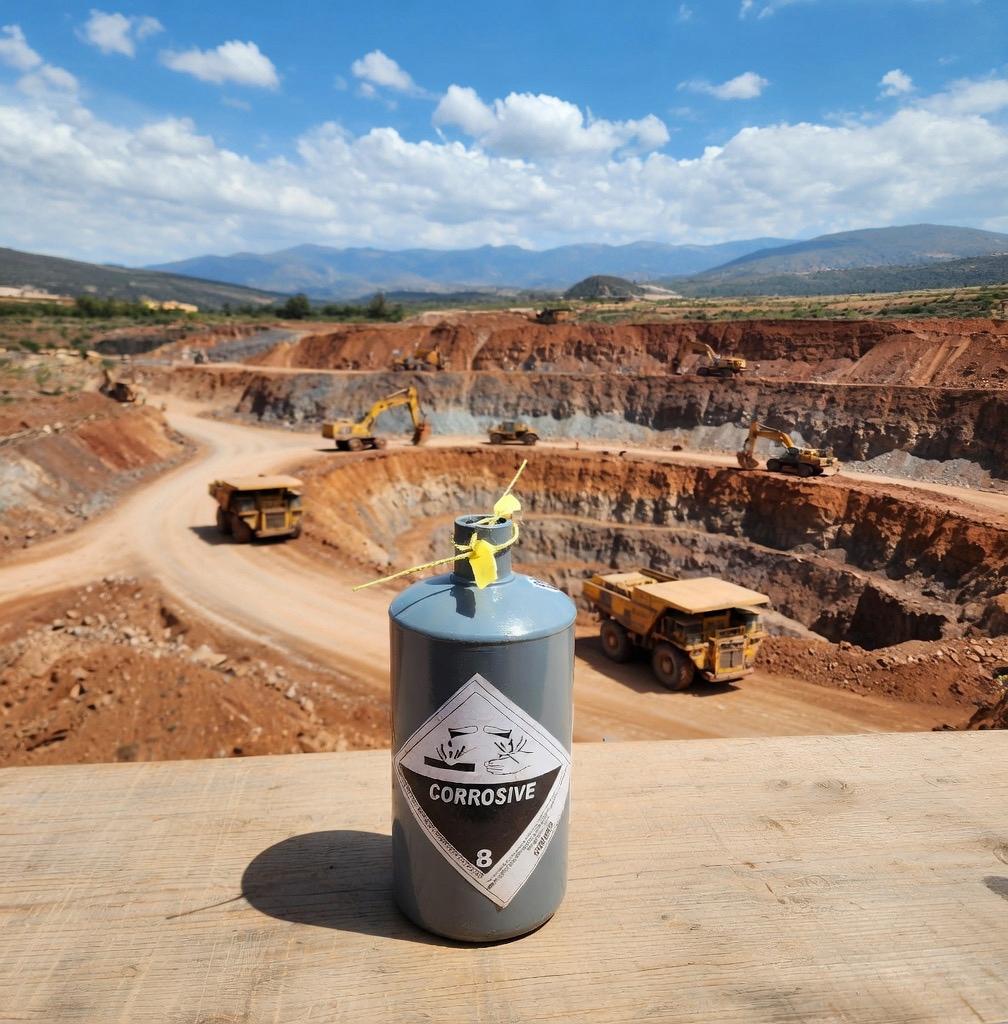
Mining sites often use chemicals for mineral processing, water treatment, extraction, and equipment care. These products need more than a suitable shelf or storage room. Mining chemical solutions require planned storage based on their properties, quantity, and intended use. Proper storage helps maintain product quality, supports efficient operations, and reduces the chance of spills, reactions, or exposure.
Why Does Chemical Storage Matter in Mining?
Chemical storage affects both site efficiency and workplace safety. Poor storage can damage containers, reduce product quality, create compatibility problems, and make spill response harder.
A well-planned storage system helps mining teams:
- Keep chemicals organized.
- Protect products from unsuitable conditions.
- Reduce handling errors.
- Control stock levels.
- Improve access during daily operations.
- Respond faster to spills or emergencies.
- Prevent unnecessary chemical waste.
The storage method should match each chemical rather than follow one rule for every product.
1. Choose a Suitable Storage Location
Start by selecting a dedicated area for chemical storage. The location should provide enough room for containers, movement, inspections, and emergency access.
Consider the site’s layout before choosing the location. Keep chemical storage away from food areas, offices, drainage routes, and places with heavy foot traffic.
The area should also have:
- Suitable ventilation.
- Adequate lighting.
- Protection from weather.
- Controlled access.
- Clear emergency routes.
- A stable floor.
- Space for spill control equipment.
Avoid storing chemicals near heat sources or ignition points unless the product requires specific conditions.
2. Store Chemicals at the Right Temperature
Temperature can affect chemical stability and container condition. Some products need cool storage, while others may require protection from freezing or excessive heat.
Always check the manufacturer’s storage instructions before placing a chemical on site.
Pay attention to:
- Maximum and minimum temperatures.
- Direct sunlight.
- Humidity.
- Freezing conditions.
- Heat from machinery.
- Nearby steam or hot surfaces.
Do not guess the correct storage temperature based on the product’s appearance. Use the product label and SDS for specific guidance.
3. Separate Incompatible Chemicals
Chemical compatibility deserves careful planning. Some products can react when they come into contact with each other. Such reactions may create heat, gases, fire hazards, or other dangerous conditions.
Organize chemicals according to their properties rather than simply grouping similar-looking containers.
For example, a storage plan may separate:
- Flammable chemicals.
- Oxidizing chemicals.
- Corrosive products.
- Reactive materials.
- Chemicals with special storage requirements.
Keep incompatible products in separate storage areas or use suitable physical separation where required.
Create a simple storage map so workers can quickly identify where each chemical belongs.
4. Use Strong and Suitable Containers
The original container usually provides the best protection when it remains compatible with the chemical and stays in good condition.
Check containers for visible problems such as:
- Cracks.
- Corrosion.
- Bulging.
- Damaged caps.
- Leaks.
- Weak seals.
Never use an unsuitable container just because it is available. Chemical compatibility matters because some substances can damage certain plastics, metals, or other materials.
Keep containers closed according to the manufacturer’s instructions when workers do not need access to the contents.
Avoid placing heavy containers where they can fall or become difficult to move.
5. Keep Clear Labels and Chemical Records
Every chemical should have clear identification. Workers should know what each container holds before they move, open, or use it.
Labels should remain readable and should provide the information required for safe handling.
A good inventory system should also record:
- Product name.
- Quantity.
- Storage location.
- Supplier details.
- Relevant dates.
- Stock movement.
Good records prevent confusion when several products have similar names or packaging.
They also help managers identify excess stock and avoid storing chemicals that the operation no longer needs.
6. Protect Liquids With Secondary Containment
Liquid chemicals can spread quickly after a container leak. Secondary containment provides an additional barrier that can limit the affected area.
Depending on the product and site design, containment may include suitable trays, bunded areas, or other approved systems.
The containment system should suit the chemical. It should also provide enough capacity for the site’s storage needs.
Keep containment areas clear so workers can identify leaks quickly. Do not allow unrelated materials to block or fill the containment space.
7. Maintain Good Ventilation
Some chemicals can release vapors during storage. Poor airflow can allow those vapors to build up.
Storage areas should have ventilation that suits the chemicals present. The right system depends on the product and its hazards.
Do not assume that opening a door provides enough ventilation. Follow the manufacturer’s instructions and site requirements.
If a chemical requires specialized ventilation, involve a qualified professional before changing the storage setup.
8. Make Chemical Movement Easy and Controlled
Poor storage layout can create problems during loading, unloading, and daily use. Workers should not need to move several containers just to reach one product.
Arrange frequently used chemicals so authorized workers can access them without unnecessary handling.
Keep walkways and access points clear. Store containers at practical heights and avoid unstable stacking.
Use suitable handling equipment for heavy drums, tanks, or other large containers. Do not manually move a container when its size or weight creates a handling risk.
9. Control Stock and Storage Time
Excess chemical stock can increase storage demands and create unnecessary waste. Good inventory management helps keep quantities under control.
Review stock regularly and compare it with actual site requirements.
Consider:
- Current consumption.
- Expected project needs.
- Product shelf life.
- Storage capacity.
- Supplier lead times.
- Disposal requirements.
Use stock according to manufacturer guidance and site procedures. Do not keep expired or unwanted chemicals simply because storage space remains available.
How Do Mining Chemical Solutions Fit Into Site Storage Planning?
Choosing the right product is only one part of effective chemical management. Mining chemical solutions should also fit the site’s storage conditions, handling systems, equipment, and operating requirements.
Before bringing a new chemical onto a site, review its storage needs. Confirm that the facility has suitable space, containers, segregation, ventilation, and spill controls.
This approach helps teams avoid discovering storage problems after the chemical arrives.
What Should Workers Check Before Storing a New Chemical?
Before placing a new product into storage, confirm a few basic details:
- Identify the chemical and its intended use.
- Review the product label and SDS.
- Check temperature and ventilation requirements.
- Identify incompatible materials.
- Confirm suitable container materials.
- Select the correct storage location.
- Add the product to the site inventory.
This short process can prevent many avoidable storage mistakes.
Final Thoughts
Safe chemical storage starts with understanding the product. Mining sites should consider temperature, compatibility, containers, ventilation, containment, inventory, and site layout before storing any chemical.
Mining chemical solutions can support efficient mining processes when teams manage them with the right storage system. Clear records and practical organization can also reduce waste and unnecessary handling.
A well-designed storage area does more than protect chemicals. It helps the entire operation work in a cleaner, more organized, and more controlled way.
FAQs
1. What is the best way to store mining chemicals?
Store each chemical in a suitable container and dedicated area that matches its storage requirements. Control temperature, provide suitable ventilation, separate incompatible products, and maintain clear inventory records.
2. Why is chemical compatibility important in mining storage?
Some chemicals can react when they contact incompatible substances. Such reactions may produce heat, gases, fire, or other hazards. Check the product’s SDS before deciding where to store it.
3. Do mining chemicals need special temperature control?
Some do. Storage requirements depend on the chemical. Check the manufacturer’s instructions for temperature limits, sunlight exposure, humidity, and freezing conditions before selecting a storage location.
4. Why should mining sites use secondary containment?
Secondary containment can limit the spread of liquid chemicals when a container leaks. It can help keep spills within a controlled area and make cleanup more manageable.
5. How can mining sites improve chemical inventory management?
Keep accurate records of product names, quantities, locations, and relevant dates. Review stock regularly and order according to actual site needs. This approach can reduce excess stock, waste, and storage demands.

Need Industrial Chemical Supply?
AsydeX Labs supplies high-purity chemicals to mining operations worldwide. ISO 9001:2015 certified.
Request a Quote →