Manufacturing operations depend on more than machinery and skilled workers. The quality, consistency, documentation, and availability of chemical inputs also influence how businesses manage their production requirements. Choosing a bulk industrial chemicals supplier is therefore an important procurement decision, particularly for industries involved in mining, mineral processing, chemical research, and specialized industrial applications.
A dependable supply arrangement involves more than delivering materials. It also requires attention to product specifications, quality verification, safe handling, packaging, and transportation.
Chemical Needs Across Different Industries
Not every manufacturing operation requires the same chemical inputs. A mining facility may need materials for mineral processing, while a laboratory requires chemicals that meet specific analytical requirements.
Industrial chemical procurement should begin with identifying:
- The intended application of each chemical.
- Required purity and product specifications.
- Quantity and packaging requirements.
- Storage and transportation considerations.
- Applicable safety and regulatory documentation.
Understanding these factors helps businesses identify suitable products rather than purchasing materials based solely on availability.
How Bulk Chemical Suppliers Drive Manufacturing
A specialised supplier can support industrial operations in several ways:
1. Mining and Mineral Processing
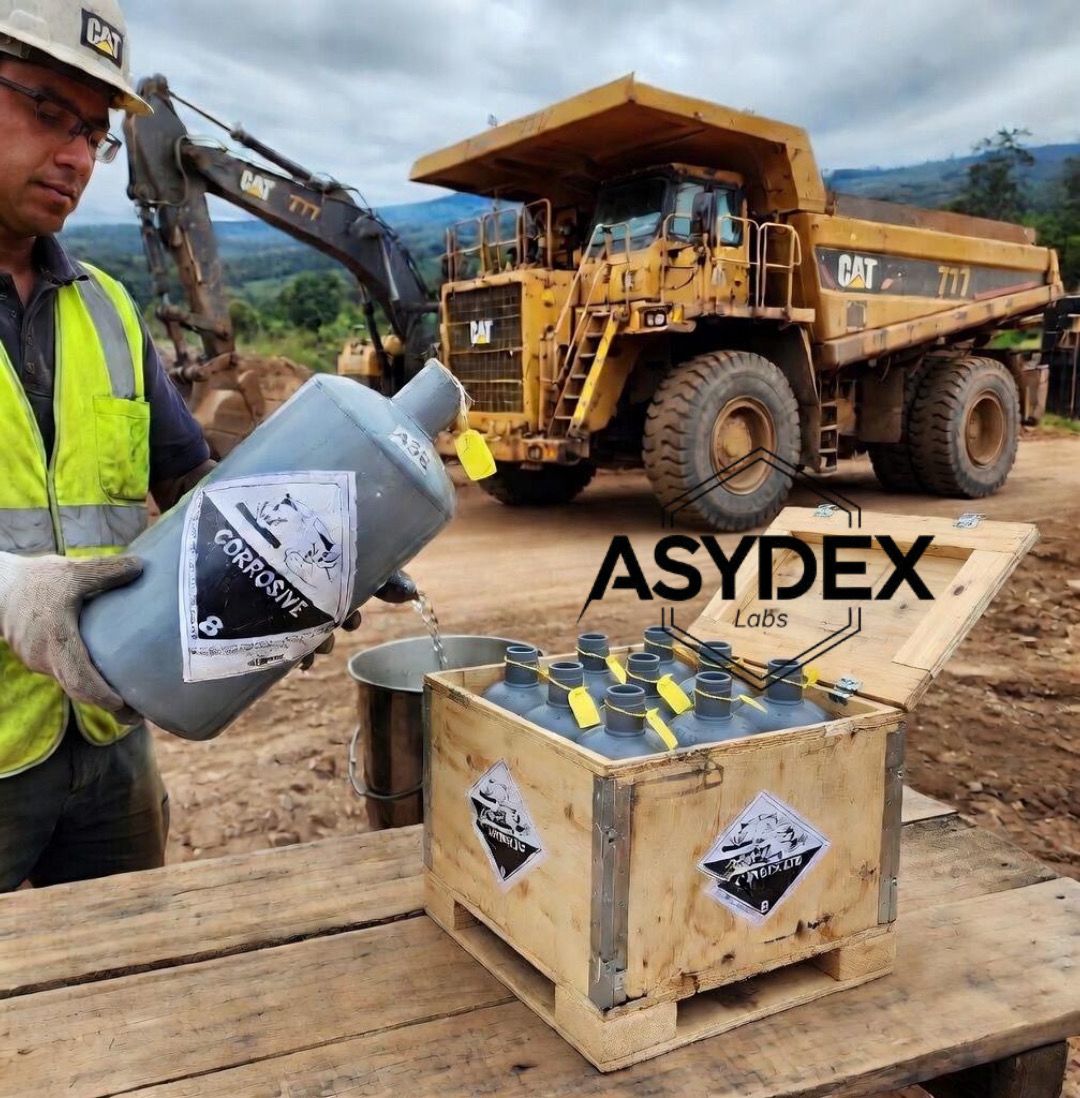
Mining operations have distinct chemical procurement requirements. Materials used in mineral extraction and processing must be evaluated against the intended application, technical specifications, and applicable safety requirements.
A supplier serving this sector should understand the importance of batch consistency, product verification, and appropriate shipment documentation.
2. Laboratory Research and Quality Testing
Laboratories depend on clearly identified chemicals with verifiable specifications. A Certificate of Analysis (COA) helps purchasing teams assess a batch’s stated composition and quality, while a Safety Data Sheet (SDS) provides essential information about hazards, handling, and storage.
These documents are important when evaluating specialised chemical inputs.
3. Specialized Industrial Processing
Different processing facilities have different material requirements. Chemical procurement for these environments involves checking product compatibility, intended use, purity specifications, and regulatory suitability before placing an order.
What Should Businesses Look for in a Chemical Supplier?
Choosing a bulk industrial chemicals supplier requires attention to more than order quantities. Businesses should evaluate:
- Quality documentation: Availability of batch-specific COAs and SDSs.
- Product specifications: Clearly identified chemical composition and purity.
- Packaging: Suitable, sealed containers that meet applicable transport requirements.
- Supply coordination: Capacity to manage larger orders and planned shipments.
- Regulatory compliance: Appropriate permits and documentation for the destination and intended application.
These considerations become especially important when sourcing hazardous substances, including mercury, which requires strict regulatory controls and specialised handling. Buyers should independently verify product identity, legal permissions, and safety requirements before procurement.
Why Documentation and Logistics Matter
Chemical supply does not end when an order is confirmed. Packaging, weighing, storage, export documentation, and shipment tracking all influence the procurement process.
Professional suppliers coordinate these requirements to help businesses maintain better visibility over incoming materials. International orders may also require customs paperwork and transport documentation based on the chemical classification and destination country’s regulations.
Making Better Chemical Procurement Decisions
A suitable supplier understands that different industries have different priorities. From mining-related requirements to laboratory testing and specialised industrial processing, product verification, responsible handling, and transparent documentation remain essential.
When evaluating a bulk industrial chemicals supplier, businesses should prioritise verified specifications, regulatory compliance, and dependable logistics. A careful selection process helps procurement teams make informed decisions while keeping operational and safety requirements in focus.
Frequently Asked Questions
1. What information should a business provide when requesting a bulk chemical quotation?
Businesses should specify the chemical’s verified identity, required quantity, intended application, destination country, and relevant technical requirements. It is also useful to clarify packaging preferences and applicable regulatory documentation so the supplier can assess whether the request can be fulfilled appropriately.
2. Why is a Certificate of Analysis important when purchasing industrial chemicals?
A Certificate of Analysis provides batch-specific information about a chemical’s tested characteristics and composition. Buyers can compare these results with their procurement specifications before accepting a shipment, helping identify discrepancies and maintain consistent quality records.
3. How do international chemical shipments meet regulatory requirements?
International chemical shipments may require safety data sheets, commercial invoices, export permits, customs declarations, and transport documentation. Requirements depend on the substance, its hazard classification, and destination regulations. Buyers should confirm applicable import permissions before arranging transportation.
4. What is the difference between bulk chemical supply and regular chemical purchasing?
Bulk chemical supply generally involves larger order quantities, specialised packaging, additional storage considerations, and coordinated transportation. Regular purchasing may involve smaller quantities and simpler delivery arrangements. The appropriate approach depends on consumption requirements, storage capacity, and regulatory obligations.
5. How can manufacturers assess whether a chemical supplier is suitable for their requirements?
Manufacturers should review product identity, independent testing records, quality documentation, relevant certifications, and regulatory credentials. They should also assess the supplier’s ability to manage appropriate packaging and logistics. These checks provide a more reliable basis for procurement decisions than price or availability alone.

Need Industrial Chemical Supply?
AsydeX Labs supplies high-purity chemicals to mining operations worldwide. ISO 9001:2015 certified.
Request a Quote →