Mining operations depend on reliable chemical supplies, safe handling practices, and strong quality controls. However, mercury exposure can create serious risks for workers, the environment, and nearby communities. Working with a trusted mercury supplier for mining operations helps companies manage chemical quality, improve traceability, and reduce supply chain risks. A clear mercury management plan also supports safer operations and responsible mining practices.
Why Is Mercury Risk a Concern in Mining?
Mercury can enter mining operations through certain materials, processes, and chemical supplies. Poor storage, unsafe handling, and weak disposal practices can increase the risk of exposure and environmental contamination.
Mining companies should understand these risks because mercury can:
- Harm workers through inhalation or direct exposure.
- Contaminate soil and water when operations release mercury.
- Create long-term environmental problems.
- Increase regulatory and compliance challenges.
- Damage a mining company’s reputation and community relationships.
Understanding these risks helps companies build better purchasing, handling, and monitoring practices.
6 Ways to Reduce Mercury Risk in Your Mining Supply Chain
1. Work With a Reliable Chemical Supplier
Your supplier plays an important role in chemical safety. Select suppliers who provide clear product specifications, safety data sheets, quality documents, and batch information.
A reliable mercury supplier for mining operations should support informed purchasing decisions and provide accurate details about product quality, handling requirements, and regulatory compliance.
2. Check Chemical Quality Before Purchasing
Never rely on product descriptions alone. Review technical documents and verify that supplied materials meet your operational requirements.
Before placing an order:
- Check product specifications.
- Review safety data sheets (SDS).
- Confirm purity and composition.
- Verify batch identification.
- Request relevant quality certificates.
These checks help prevent unsuitable materials from entering your supply chain.
3. Improve Storage and Handling Practices
Proper storage reduces the chance of spills, leaks, and accidental exposure. Follow the supplier’s safety instructions and applicable regulations.
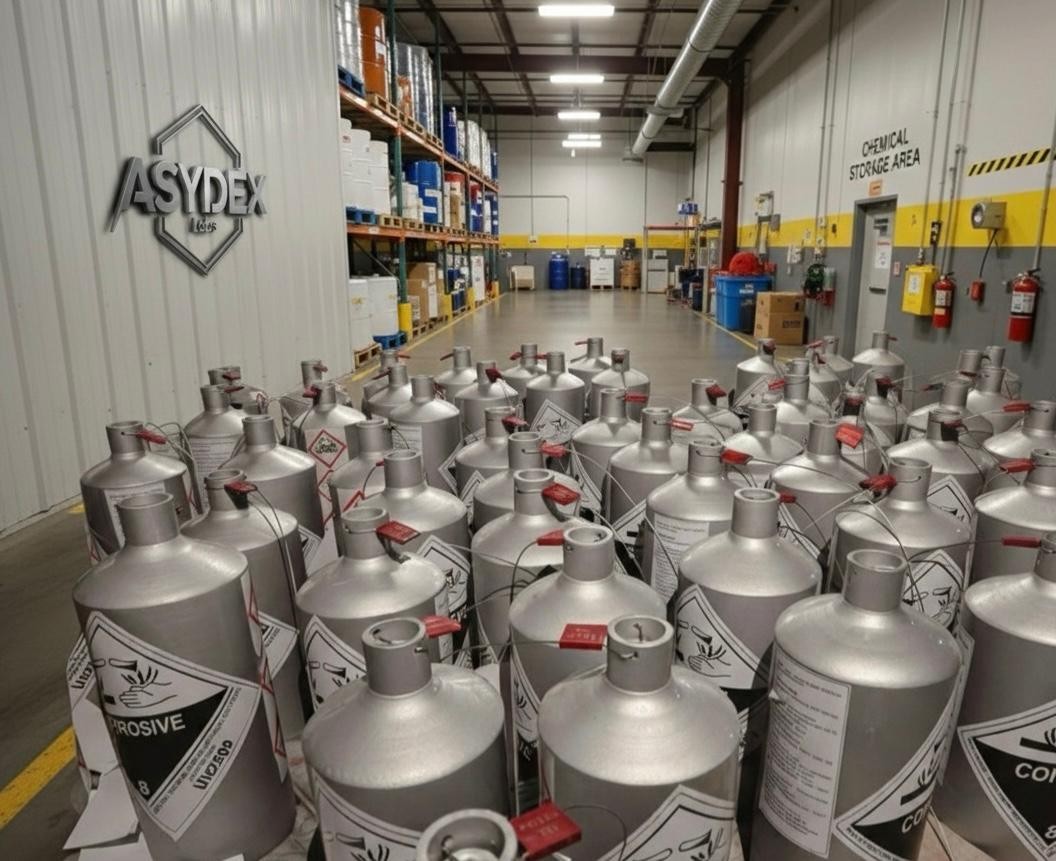
Mining facilities should maintain suitable storage areas, clear warning signs, controlled access, and appropriate protective equipment. Train workers to follow safe handling procedures and respond to accidental releases.
4. Track Every Chemical Shipment
Supply chain visibility helps companies identify potential problems before they affect operations. Maintain accurate records of chemical orders, suppliers, delivery dates, batch numbers, and storage locations.
Good tracking practices help teams:
- Verify material origins.
- Identify inconsistent product information.
- Monitor chemical inventory.
- Support inspections and audits.
- Trace materials when quality concerns arise.
5. Follow Environmental and Regulatory Requirements
Mining companies must understand the mercury-related rules that apply to their locations and activities. Review relevant environmental permits, chemical handling requirements, waste management rules, and worker protection standards.
Create clear procedures for spill response, waste collection, and disposal. Never release mercury or mercury-containing waste into soil, drains, or waterways.
6. Review Supplier Performance Regularly
Supplier checks should continue after the first purchase. Review product consistency, documentation, delivery standards, and safety support.
Regular supplier assessments help mining companies identify gaps and improve purchasing decisions. They also encourage stronger communication between procurement teams, safety managers, and chemical suppliers.
Why Supplier Transparency Matters
Supplier transparency helps mining companies make safer and more informed decisions. AsydeX Labs focuses on quality documentation, traceable sourcing, secure packaging, and batch-level quality checks.
Its supply approach includes:
- Independent third-party Certificates of Analysis (COA).
- Safety Data Sheets for product handling.
- Traceable sourcing from origin to delivery.
- Industrial-grade packaging procedures.
- Batch-level quality verification.
These measures help buyers review chemical information and strengthen supply chain accountability. However, supplier documentation does not replace proper risk assessments, legal checks, or workplace safety controls.
Final Thoughts
Reducing mercury risk requires more than checking chemical quality. Mining companies must review suppliers, improve storage, train workers, track shipments, and follow environmental regulations. They should also assess mercury-free alternatives and reduce mercury use wherever feasible. Partnering with a responsible mercury supplier for mining operations can improve supply chain transparency, but strong internal safety procedures remain essential for protecting workers and the environment.
Frequently Asked Questions
1. How can mining companies reduce mercury risk in their supply chains?
Mining companies can reduce mercury risk by checking supplier credentials, reviewing safety documents, tracking chemical shipments, improving storage, training workers, and following environmental regulations.
2. Why is supplier verification important when purchasing mercury?
Supplier verification helps buyers confirm product identity, quality, origin, batch details, and safety documentation. It also reduces the risk of receiving unsuitable or poorly documented materials.
3. What documents should a mining chemical supplier provide?
A reliable supplier should provide relevant Certificates of Analysis (COA), Safety Data Sheets (SDS), product specifications, batch details, and applicable transport and compliance documents.
4. What are the health risks of mercury exposure in mining?
Mercury exposure can affect the nervous system, kidneys, lungs, digestive system, and immune system. Workers may face exposure through mercury vapours or contaminated materials.
5. How can mining operations reduce or eliminate mercury use?
Mining operations can assess mercury-free extraction methods, improve mineral processing techniques, train workers, and adopt suitable alternative technologies. The Minamata Convention also calls for steps to reduce and, where feasible, eliminate mercury use in artisanal and small-scale gold mining.

Need Industrial Chemical Supply?
AsydeX Labs supplies high-purity chemicals to mining operations worldwide. ISO 9001:2015 certified.
Request a Quote →