How to Choose a Reliable Gold Extraction Chemicals Supplier for Mining Operations
In the competitive mining industry, selecting the right gold extraction chemicals supplier is critical for operational efficiency, safety, and long-term profitability. The quality of extraction chemicals directly impacts gold recovery rates, environmental compliance, and processing costs. Whether you operate a small-scale mine or a large industrial facility, partnering with a dependable supplier ensures consistent production and reduced operational risks.
Understand the Supplier’s Industry Experience
The first step in choosing a reliable supplier is evaluating their experience in the mining and mineral processing sector. A trusted supplier should have a proven track record of delivering high-quality chemicals for gold extraction. Experienced suppliers understand the challenges faced by mining operations and can recommend the right products for different ore types and extraction methods.
Look for suppliers that provide technical support, product documentation, and customized solutions. Their expertise can help optimize your recovery process while reducing chemical waste and downtime.
Check Product Quality and Certifications
Chemical quality plays a major role in gold recovery performance. Low-grade chemicals can negatively affect extraction efficiency and equipment performance. Always choose a supplier that follows international quality standards and offers certified products.
Reliable suppliers often provide:
· Quality assurance certificates
· Safety Data Sheets (SDS)
· Environmental compliance documents
· Batch testing reports
A reputable gold extraction chemicals supplier should also maintain transparency about chemical composition, sourcing, and manufacturing processes.
Evaluate Supply Chain Reliability
Mining operations require uninterrupted chemical supply to maintain production schedules. Delays in delivery can result in costly shutdowns and productivity losses. Before finalizing a supplier, assess their logistics network, inventory capacity, and delivery timelines.
A dependable supplier should offer:
· Timely global shipping
· Consistent stock availability
· Emergency supply support
· Flexible order quantities
Strong supply chain management ensures your mining operations continue without disruption.
Prioritize Environmental and Safety Standards
Modern mining operations must comply with strict environmental and safety regulations. Your supplier should provide chemicals that align with sustainable mining practices and minimize environmental impact.
Ask suppliers about:
· Eco-friendly alternatives
· Waste management guidance
· Safe storage and handling procedures
· Regulatory compliance support
Choosing a responsible supplier not only protects the environment but also strengthens your company’s reputation in the mining industry.
Compare Pricing and Long-Term Value
While pricing is important, the cheapest option is not always the best. Instead of focusing only on cost, evaluate the overall value provided by the supplier. High-quality chemicals may improve recovery rates and reduce operational expenses over time.
Compare:
· Product performance
· Technical assistance
· Shipping reliability
· Customer service responsiveness
· Long-term partnership benefits
A professional gold extraction chemicals supplier should help improve efficiency while supporting sustainable mining growth.
Conclusion
Selecting the right gold extraction chemical supplier is a strategic decision that affects productivity, compliance, and profitability. By focusing on experience, product quality, logistics, environmental responsibility, and customer support, mining companies can build reliable partnerships that support long-term success. Always conduct detailed research and choose a supplier that aligns with your operational goals and safety standards.
FAQs
1. Why is choosing the right gold extraction chemical supplier important?
The right supplier ensures high recovery efficiency, consistent chemical quality, operational safety, and uninterrupted mining production.
2. What certifications should a gold extraction chemical supplier provide?
A reliable supplier should provide quality certifications, Safety Data Sheets (SDS), environmental compliance documents, and testing reports.
3. How do gold extraction chemicals affect mining performance?
High-quality chemicals improve gold recovery rates, reduce waste, enhance processing efficiency, and minimize equipment damage.
4. What factors indicate a reliable chemical supplier?
Industry experience, strong logistics support, technical expertise, product consistency, and responsive customer service are key indicators.
5. Can eco-friendly extraction chemicals improve mining sustainability?
Yes, environmentally responsible chemicals help reduce pollution, improve regulatory compliance, and support sustainable mining operations.
Why Mining Companies Need an Experienced Mining Reagents Supplier
The success of modern mining operations depends heavily on choosing the right mining reagents supplier. From mineral recovery to operational efficiency, high-quality reagents directly impact productivity, profitability, and environmental compliance. Mining companies that partner with experienced suppliers gain technical expertise, reliable product quality, and long-term operational support.
Understanding the Role of Mining Reagents
Mining reagents are specialized chemicals used during mineral processing and extraction. These chemicals help separate valuable minerals from ore, improve recovery rates, and reduce waste during flotation, leaching, and dewatering processes.
Common mining reagents include:
- Flocculants
- Collectors
- Frothers
- Depressants
- Solvent extractants
- Leaching agents
Without the right reagent solutions, mining operations can face lower recovery rates, increased downtime, and higher processing costs.
Why Experience Matters in a Mining Reagents Supplier
1. Consistent Product Quality
An experienced mining reagents supplier ensures consistent chemical composition and product performance. In mining operations, even minor variations in reagent quality can affect recovery efficiency and plant productivity.
Reliable suppliers conduct strict quality testing and maintain international manufacturing standards to deliver dependable products.
2. Technical Expertise and Process Support
Mining conditions vary from site to site. Ore composition, water quality, and processing methods all influence reagent performance.
Experienced suppliers provide:
- On-site technical support
- Process optimization guidance
- Customized reagent formulations
- Troubleshooting assistance
This expertise helps mining companies improve operational performance while reducing unnecessary chemical consumption.
Improved Mineral Recovery Rates
The right reagent program can significantly increase mineral recovery. Experienced suppliers understand how different reagents interact with various ore types and processing systems.
Benefits include:
- Higher concentrate grades
- Faster separation processes
- Reduced metal loss
- Better flotation efficiency
By working with a trusted supplier, mining companies can maximize output without increasing operational costs.
Reliable Supply Chain and Delivery
Mining operations cannot afford production delays caused by reagent shortages. A professional supplier maintains a strong logistics network and inventory management system to ensure uninterrupted deliveries.
Key advantages include:
- Timely product availability
- Bulk supply capabilities
- Emergency delivery support
- Global distribution networks
A dependable supply chain reduces operational risks and prevents costly downtime.
Compliance with Environmental and Safety Standards
Environmental regulations in the mining industry continue to become stricter. Experienced suppliers help companies meet compliance requirements by offering safer and environmentally responsible reagent solutions.
They also provide:
- Safety documentation
- Chemical handling guidance
- Regulatory compliance support
- Sustainable product alternatives
This reduces environmental impact while improving workplace safety standards.
Cost Efficiency Through Long-Term Partnerships
Many mining companies focus only on reagent pricing. However, low-cost chemicals may reduce processing efficiency and increase overall operational expenses.
An experienced mining reagents supplier focuses on value rather than short-term pricing. Optimized reagent programs can lower total operating costs through improved recovery, reduced waste, and minimized equipment wear.
Final Thoughts
Mining companies operate in highly competitive and technically demanding environments. Choosing an experienced mining reagents supplier is not just about purchasing chemicals — it is about securing operational efficiency, technical reliability, and long-term profitability.
A trusted supplier provides consistent quality, expert support, strong logistics, and sustainable solutions that help mining businesses achieve better production outcomes. In today’s mining industry, the right partnership can make a measurable difference in operational success.
FAQs
1. What does a mining reagents supplier do?
A mining reagents supplier provides specialized chemicals used in mineral extraction and processing. They also offer technical support, product recommendations, and process optimization services.
2. Why are mining reagents important in mineral processing?
Mining reagents improve mineral recovery, separation efficiency, and concentrate quality. They help mining companies maximize output while reducing waste and operational costs.
3. How do I choose the right mining reagents supplier?
Look for suppliers with industry experience, consistent product quality, technical expertise, strong logistics support, and compliance with environmental regulations.
4. What industries use mining reagents?
Mining reagents are widely used in gold, copper, zinc, nickel, lithium, phosphate, and rare earth mineral processing operations.
5. Can mining reagents improve sustainability in mining?
Yes. Modern reagent technologies can reduce water usage, minimize waste generation, and support environmentally responsible mining practices.
Red Mercury for Gold Extraction: Myths, Facts, and the Truth Behind the Claims
The phrase red mercury for gold extraction has gained attention in mining circles, online marketplaces, and conspiracy-driven discussions. Many people believe it is a powerful substance capable of extracting gold from ore with high efficiency. However, scientific evidence tells a very different story. Before investing money or trusting unverified claims, it is important to understand the myths, facts, and reality behind red mercury.
What Is Red Mercury?
Red mercury is often described as a mysterious red-colored compound with extraordinary properties. Some sellers claim it can:
- Extract gold from low-grade ores
- Improve gold purification
- Detect precious metals
- Enhance mining efficiency
- Act as a rare chemical catalyst
Despite these claims, there is no verified scientific proof that red mercury exists as a recognized industrial chemical used in gold recovery.
The Origin of the Red Mercury Myth
The mystery around red mercury started during the Cold War era. Rumors linked it to secret military technology, nuclear weapons, and rare scientific experiments. Over time, the narrative expanded into mining and precious metal extraction.
Fraudulent traders began promoting red mercury for gold extraction as a miracle solution, often targeting small-scale miners and investors looking for quick profits.
Common Claims Made by Sellers
Here are some popular claims often seen online:
- Red mercury can separate gold instantly from ore.
- It increases gold purity without refining.
- Only secret suppliers can provide authentic material.
- The substance reacts with gold under heat or radiation.
- Governments hide its real use from the public.
None of these claims are supported by peer-reviewed scientific research.
Scientific Facts About Gold Extraction
Professional gold extraction relies on proven chemical and physical processes. These methods include:
1. Cyanidation
A widely used industrial process where cyanide dissolves gold from ore.
2. Gravity Separation
Gold is separated based on density using sluices, shaking tables, or centrifuges.
3. Flotation
Useful for processing sulfide-rich gold ores.
4. Mercury Amalgamation
An older technique using mercury to bind with gold, though now restricted due to environmental risks.
No established mining authority or metallurgical institute recognizes red mercury as a valid extraction agent.
Why the Scam Continues
The myth survives because of secrecy, misinformation, and the high value of gold. Fraudsters often use technical jargon, fake demonstrations, and fabricated laboratory reports to convince buyers.
Warning Signs of a Red Mercury Scam
- Extremely high prices for small quantities
- Claims of “secret technology”
- Lack of scientific certification
- No verified chemical composition
- Pressure to make quick purchases
If a product sounds too good to be true, it usually is.
Environmental and Safety Concerns
Some fake red mercury substances may contain toxic chemicals or industrial dyes. Handling unknown materials without proper testing can be dangerous.
Potential risks include:
- Chemical burns
- Toxic inhalation
- Heavy metal contamination
- Environmental pollution
Always use certified chemicals approved for mining and metallurgy applications.
The Truth Behind Red Mercury for Gold Extraction
The truth is simple: there is no credible scientific evidence supporting the use of red mercury for gold extraction. Most claims are based on myths, misinformation, or deliberate scams targeting miners and investors.
Real gold extraction depends on tested mining technologies, proper ore analysis, and regulated chemical processes. Anyone interested in gold recovery should consult professional metallurgists or recognized mining institutions rather than relying on mysterious substances.
Final Thoughts
The fascination with red mercury continues because mystery often attracts attention. However, science and industry standards do not support the claims surrounding it. Understanding the facts can protect miners, investors, and businesses from financial loss and safety hazards.
When it comes to gold recovery, trusted extraction methods and verified technologies remain the only reliable path to success.
FAQs
1. Is red mercury real?
There is no universally recognized scientific evidence proving the existence of red mercury as a unique industrial compound.
2. Can red mercury extract gold from ore?
No verified mining or metallurgical research confirms that red mercury can extract gold effectively.
3. Why do people sell red mercury?
Many sellers use the mystery surrounding the substance to run scams or sell fake materials at extremely high prices.
4. What are the safest methods for gold extraction?
Common safe and regulated methods include gravity separation, flotation, and controlled cyanidation under professional supervision.
5. How can I avoid red mercury scams?
Verify suppliers, request certified laboratory reports, consult mining experts, and avoid products with unrealistic claims or secret formulas.
Why Quality Matters When Selecting a Mercury Supplier for Mining
Mining operations depend on precision, safety, and reliability. One overlooked factor that can directly affect productivity is choosing the right mercury supplier for mining. Within the first stages of mineral extraction and processing, the quality of mercury used can influence recovery efficiency, worker safety, and environmental compliance.
Selecting a trusted supplier is not only about price. It is about ensuring consistent purity, legal compliance, and dependable delivery for uninterrupted mining operations.
The Importance of High-Quality Mercury in Mining
Mercury plays a role in gold extraction and other mining activities where separation processes require effective amalgamation. Low-quality mercury may contain impurities that reduce efficiency and increase operational risks.
Key Benefits of Quality Mercury:
- Improves mineral recovery rates
- Reduces contamination during processing
- Enhances operational consistency
- Supports safer handling procedures
- Minimizes equipment damage caused by impurities
Mining companies that prioritize quality often experience fewer disruptions and better long-term productivity.
Factors to Consider When Choosing a Supplier
Finding the right mercury supplier for mining requires careful evaluation. A reputable supplier should meet industry standards and provide transparent documentation.
1. Product Purity Standards
Purity directly affects extraction performance. High-grade mercury delivers more reliable results and reduces waste during mineral separation.
2. Regulatory Compliance
A trustworthy supplier follows local and international mining regulations. Compliance ensures safer transportation, storage, and handling practices.
3. Consistent Supply Chain
Mining operations cannot afford delays. Reliable suppliers maintain stable inventory and timely delivery schedules to avoid operational downtime.
4. Safety and Packaging
Proper packaging prevents leakage and contamination during transportation. Safety-certified packaging is essential for hazardous materials like mercury.
5. Industry Experience
Experienced suppliers understand mining requirements and can provide technical support when needed.
Risks of Choosing Low-Quality Suppliers
Working with unverified suppliers may create serious operational and legal challenges.
Common Risks Include:
- Inconsistent mercury purity
- Delayed shipments
- Regulatory violations
- Environmental hazards
- Increased operational costs
Poor-quality mercury can reduce gold recovery efficiency and lead to unnecessary financial losses.
How Quality Impacts Mining Efficiency
Mining companies rely on consistent processing performance. When mercury quality varies, extraction rates may decline, causing productivity setbacks.
A reliable mercury supplier for mining helps businesses maintain process stability and improve recovery outcomes. Consistent quality also supports better environmental management and safer workplace conditions.
Best Practices for Selecting the Right Supplier
To make a smart purchasing decision, mining businesses should follow a structured supplier evaluation process.
Recommended Steps:
- Verify certifications and compliance records
- Request product purity reports
- Check customer reviews and industry reputation
- Evaluate delivery capabilities
- Compare long-term reliability instead of only pricing
Choosing a dependable supplier protects both operational efficiency and business reputation.
Final Thoughts
Quality should always come first when selecting a mercury supplier for mining operations. Reliable suppliers provide high-purity products, regulatory compliance, safe packaging, and dependable logistics. These factors directly influence productivity, safety, and long-term profitability.
Mining businesses that invest in quality partnerships reduce operational risks and achieve more consistent extraction performance. Instead of focusing solely on cost, companies should prioritize reliability, compliance, and product standards when choosing a supplier.
FAQs
1. Why is mercury purity important in mining?
High-purity mercury improves mineral recovery efficiency and reduces contamination during extraction processes.
2. How can I identify a reliable mercury supplier?
Check certifications, purity reports, regulatory compliance, customer reviews, and delivery reliability before choosing a supplier.
3. What risks come from low-quality mercury?
Low-quality mercury may contain impurities that reduce recovery rates, damage equipment, and create environmental or legal issues.
4. Why does supplier reliability matter in mining operations?
Reliable suppliers ensure consistent inventory and timely deliveries, preventing operational downtime and production delays.
5. What documents should a mercury supplier provide?
A professional supplier should provide safety documentation, purity certificates, compliance records, and transportation details.
Key Factors to Consider When Buying Mineral Processing Chemicals
The global mining industry depends heavily on mineral processing chemicals to improve ore recovery, optimize efficiency, and reduce operational costs. Choosing the right chemicals is not just about price—it directly impacts productivity, environmental compliance, and overall plant performance. Whether you operate in mining, metallurgy, or industrial mineral processing, understanding the essential buying factors can help you make a smarter investment.
Why Mineral Processing Chemicals Matter
Mineral processing operations involve several stages such as crushing, grinding, flotation, and dewatering. High-quality mineral processing chemicals enhance separation efficiency and maximize valuable mineral recovery. They also help reduce waste generation and improve sustainability in modern mining operations.
1. Understand the Type of Ore
Different ores require different chemical formulations. Sulfide ores, oxide ores, and rare earth minerals all react differently during flotation and separation processes.
Key Considerations:
- Analyze ore composition before selecting chemicals
- Conduct laboratory testing for compatibility
- Evaluate pH sensitivity and mineral behavior
Using unsuitable reagents can reduce recovery rates and increase operational expenses.
2. Evaluate Chemical Performance
Performance is one of the most critical factors when purchasing processing chemicals. Efficient products improve separation, reduce impurities, and maintain process stability.
Important Performance Indicators:
- Recovery efficiency
- Selectivity during flotation
- Faster settling and filtration
- Reduced reagent consumption
High-performance mineral processing chemicals may appear expensive initially but often lower long-term processing costs.
3. Check Environmental and Safety Compliance
Mining regulations are becoming stricter worldwide. Buyers should prioritize environmentally friendly and low-toxicity chemicals.
Look for:
- Compliance with local environmental regulations
- Biodegradable formulations where possible
- Safe handling and storage requirements
- Reduced hazardous emissions
Sustainable chemicals not only protect workers but also improve a company’s ESG profile.
4. Supplier Reputation and Technical Support
A reliable supplier does more than deliver products. Technical guidance and after-sales support can significantly improve operational efficiency.
Choose Suppliers That Offer:
- Consistent product quality
- On-site technical assistance
- Custom chemical solutions
- Timely delivery and inventory management
Experienced suppliers often help optimize dosage levels and troubleshoot plant challenges effectively.
5. Cost vs. Long-Term Value
Price should never be the only deciding factor. Lower-cost chemicals may lead to poor recovery rates, excessive consumption, or equipment issues.
Compare Total Value:
- Dosage efficiency
- Operational savings
- Equipment compatibility
- Reduced downtime
Investing in premium-quality chemicals often results in better profitability over time.
6. Compatibility with Existing Equipment
Some chemicals can corrode equipment or create operational inefficiencies if not properly matched with plant systems.
Before Buying:
- Verify compatibility with flotation cells and pipelines
- Assess storage requirements
- Check interaction with existing reagents
This step helps prevent maintenance issues and unexpected shutdowns.
Final Thoughts
Selecting the right mineral processing chemicals requires a balance of performance, safety, cost efficiency, and supplier reliability. Mining companies that carefully evaluate ore characteristics, environmental impact, and long-term operational value are more likely to achieve consistent recovery rates and sustainable growth. A strategic chemical selection process ultimately improves productivity while reducing operational risks.
FAQs
1. What are mineral processing chemicals used for?
Mineral processing chemicals are used to improve ore separation, flotation efficiency, dewatering, and recovery of valuable minerals during mining operations.
2. How do I choose the right flotation reagent?
The right flotation reagent depends on ore type, mineral composition, pH conditions, and desired recovery rates. Laboratory testing is usually recommended before large-scale use.
3. Are eco-friendly mineral processing chemicals effective?
Yes. Many modern eco-friendly formulations deliver strong flotation and separation performance while reducing environmental impact and toxicity.
4. Why is supplier technical support important in mineral processing?
Technical support helps optimize chemical dosage, improve recovery rates, reduce reagent waste, and solve operational issues quickly.
5. Can low-cost chemicals increase mining costs?
Yes. Poor-quality chemicals may require higher dosages, reduce recovery efficiency, and increase equipment maintenance costs, leading to higher overall operational expenses.
Silver Mercury Suppliers for Mining and Industrial Processing
Mining and metallurgical industries depend heavily on structured procurement systems to source industrial-grade materials, processing inputs, and laboratory-tested compounds. Within these sectors, searches related to “silver mercury suppliers for mining and industrial processing” often appear among buyers exploring materials connected to extraction workflows, mineral recovery operations, or industrial distribution channels.

However, procurement teams operating in regulated industrial environments rarely evaluate suppliers based solely on product listings or marketplace descriptions. Instead, sourcing decisions are usually driven by documentation quality, logistics capability, laboratory analysis, and supplier qualification standards.
How Mining Procurement Teams Evaluate Suppliers
Mining operations typically work under strict procurement compliance frameworks because sourcing failures can affect production schedules, customs clearance, environmental reporting, and workplace safety procedures.
Before onboarding a supplier, procurement departments may review:
- export licensing records
- hazardous goods certifications
- storage infrastructure capability
- laboratory verification reports
- transport compliance procedures
- packaging standards
- prior international shipping history
For suppliers handling industrial-grade materials connected to metallurgical sourcing or mineral processing, buyers may also request third-party inspection reports from agencies such as SGS or Bureau Veritas.
This process helps verify that suppliers can manage documentation, transport handling, and shipment consistency at industrial scale.
Material Verification and Laboratory Analysis
In industrial processing sectors, material authenticity is usually confirmed through laboratory analysis rather than supplier claims alone.
Procurement teams often require:
- elemental composition testing
- contamination screening
- density analysis
- purity verification
- sample retention records
- batch traceability documentation
Industrial buyers may also compare testing results across multiple batches before approving long-term procurement agreements.
This is especially common in mining supply chains where inconsistent material quality can disrupt metallurgical recovery processes or create equipment-performance issues.
Logistics and Hazardous Material Compliance
Industrial shipments involving regulated materials typically move through controlled logistics channels with detailed transport requirements.
Logistics providers may request:
- hazardous cargo declarations
- sealed packaging records
- UN-approved containers
- customs classification codes
- emergency handling instructions
- temperature storage guidance
Even small documentation errors can result in customs holds, shipment rejection, or inspection delays at ports.
Because of this, industrial procurement teams often prioritize suppliers with established international distribution experience rather than relying on unverified marketplace brokers.
Operational Risks in Mining Supply Chains
Mining operations depend on consistent sourcing timelines and predictable material quality. Procurement disruptions can impact processing schedules, refinery coordination, and production output.
When sourcing industrial-grade materials, buyers generally evaluate:
- inventory reliability
- shipment lead times
- warehouse capacity
- packaging durability
- transport security
- documentation accuracy
These operational considerations are often more important than marketing claims or speculative pricing discussions.
Industrial Processing and Supplier Accountability
Professional mining and metallurgical sourcing teams typically work with suppliers capable of supporting structured procurement procedures. This may include:
- maintaining audit-ready documentation
- supporting third-party inspections
- providing traceable batch records
- coordinating customs paperwork
- managing hazardous material handling standards
In regulated industrial environments, supplier accountability plays a major role in long-term procurement stability.
Informational Notice
This article is intended for industrial procurement awareness and market education purposes only. It does not validate unsupported commercial claims related to specialty materials or industrial compounds. Businesses should independently verify compliance, laboratory documentation, and supplier legitimacy before entering procurement agreements.
FAQs
1. Why do mining companies conduct supplier audits?
Supplier audits help verify logistics capability, documentation standards, storage infrastructure, and compliance readiness.
2. What laboratory tests are common during industrial sourcing?
Industrial buyers may request purity analysis, contamination screening, density testing, and composition verification.
3. Why is transport compliance important in mining procurement?
Improper shipping documentation can delay customs clearance and disrupt operational supply chains.
4. What documents are commonly required for industrial shipments?
COA reports, SDS documentation, hazardous cargo declarations, and customs paperwork are typically required.
5. How do industrial buyers reduce sourcing risks?
They use supplier qualification workflows, third-party inspections, laboratory testing, and compliance verification procedures.
6. Why is batch traceability important in industrial processing?
Traceability helps buyers confirm consistency across shipments and maintain operational quality standards.
Industrial Chemical Sourcing and Red Mercury Market Awareness
Industrial chemical procurement involves far more than locating a supplier and negotiating pricing. In mining, metallurgical processing, laboratory supply, and industrial distribution sectors, sourcing decisions are tied directly to compliance documentation, shipment traceability, storage regulations, and operational risk management. This becomes especially important when markets involve controversial or poorly documented materials such as products marketed under the “red mercury” label.
Online searches related to “industrial red mercury supplier,” “red mercury chemical supplier,” and “buy red mercury for mining” continue appearing across global sourcing platforms. However, experienced procurement professionals generally approach these listings through structured supplier-verification procedures rather than relying on marketplace descriptions alone.
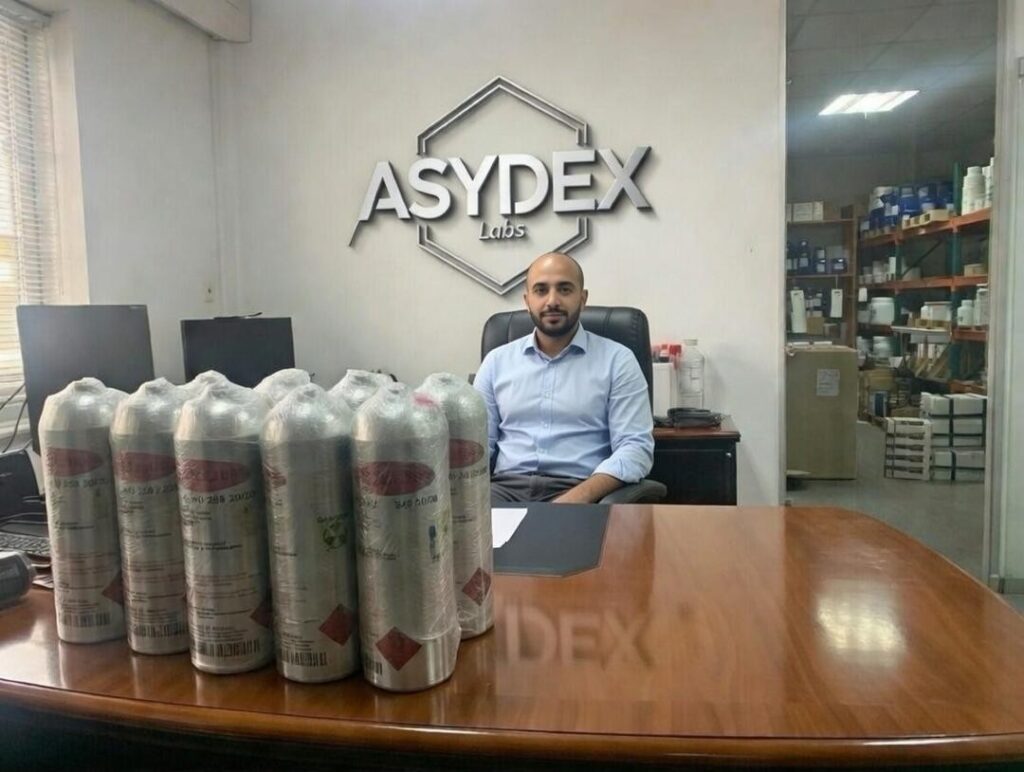
Why Industrial Procurement Teams Review Red Mercury Listings Carefully
Within regulated industrial supply chains, specialty materials are normally purchased through approved vendor systems supported by technical documentation and compliance verification. When procurement departments encounter red mercury listings, one of the first concerns is the absence of standardized industrial identification.
Legitimate industrial-grade materials are usually accompanied by:
- Certificate of Analysis (COA) reports
- Safety Data Sheets (SDS)
- UN hazardous goods classifications
- CAS registry identification
- manufacturing batch records
- transport handling documentation
- export and customs declarations
Many online red mercury listings lack these procurement fundamentals entirely. Instead, buyers often encounter vague technical descriptions, inconsistent purity claims, or unsupported industrial-use statements.
In mining and industrial sourcing environments, undocumented materials create significant operational concerns because procurement approvals cannot move forward without technical traceability.
Supplier Qualification in Industrial Chemical Sourcing
Before a chemical supplier is approved within industrial procurement systems, buyers typically conduct a multi-layer qualification review. This process is standard across mining operations, industrial laboratories, refinery networks, and metallurgical sourcing sectors.
A supplier review may include:
Business & Compliance Verification
Procurement teams often review:
- export registration status
- import/export licensing capability
- tax and corporate registration records
- hazardous material handling approvals
- environmental compliance documentation
- insurance and shipping certifications
If inconsistencies appear during this stage, the supplier may fail onboarding before product discussions even begin.
Material Documentation Assessment
For industrial-grade materials, buyers usually request detailed documentation covering:
- chemical composition
- laboratory purity analysis
- storage requirements
- handling procedures
- transport classifications
- packaging specifications
Industrial buyers may also require pre-shipment photographs, container seal records, and independent verification reports before releasing payment authorization.
Supplier Audit Procedures
In higher-risk sourcing environments, procurement departments sometimes conduct supplier audits directly or through third-party inspection agencies.
These audits may evaluate:
- warehouse conditions
- inventory management systems
- packaging standards
- material segregation procedures
- hazardous goods handling capability
- export logistics infrastructure
This process helps reduce risks associated with counterfeit materials or non-compliant shipments.
Risks Associated With Unverified Industrial Listings
One reason red mercury discussions remain controversial is the amount of unverifiable information circulating through commodity trading websites and broker networks. Some listings advertise unusually high-value products without providing measurable technical references or recognized industrial certifications.
For procurement departments, this creates several operational concerns:
- unidentified material composition
- customs clearance complications
- hazardous shipment violations
- environmental compliance exposure
- shipment seizure risks
- insurance claim disputes
- inconsistent laboratory results
Industrial buyers involved in metallurgical sourcing or mining supply chains generally avoid undocumented procurement because even small compliance failures can interrupt production schedules or trigger regulatory inspections.
Industrial Distribution Networks and Material Handling Standards
In regulated industrial distribution environments, hazardous or specialty materials are typically transported under strict handling procedures. Logistics providers often require:
- UN-approved packaging
- hazardous cargo labeling
- sealed transport declarations
- temperature-control documentation
- emergency response information
- customs classification codes
Warehousing standards may also involve containment systems, ventilation requirements, spill-control procedures, and restricted-access storage protocols depending on the material classification.
Professional procurement teams evaluate these logistics capabilities before onboarding suppliers handling regulated industrial products.
Market Awareness vs Commercial Claims
Discussions related to “red mercury for gold extraction” frequently appear online, particularly within informal commodity-trading discussions. However, modern mining and mineral processing facilities rely on engineering-based extraction systems supported by laboratory testing, metallurgical analysis, and operational recovery calculations.
Industrial sourcing decisions in these sectors are typically driven by measurable process performance rather than speculative marketplace claims.
As a result, many procurement professionals view red mercury discussions primarily through the lens of sourcing risk, compliance verification, and supplier transparency.
Informational Notice
This article is intended for industrial market awareness and procurement education purposes only. It does not validate scientific or commercial claims associated with red mercury products. Businesses should conduct independent legal, laboratory, and compliance verification before engaging in any industrial chemical sourcing transaction.
FAQs
1. Why do industrial buyers verify chemical suppliers so carefully?
Industrial procurement involves regulatory compliance, shipment safety, and operational risk management, making supplier verification essential.
2. What documents are commonly required during industrial chemical sourcing?
COA reports, SDS documentation, export declarations, hazardous cargo records, and transport classifications are commonly requested.
3. What is a supplier qualification process?
It is a structured procurement workflow used to evaluate supplier legitimacy, compliance capability, and logistics infrastructure.
4. Why are laboratory reports important in industrial sourcing?
Laboratory analysis helps verify material composition, purity consistency, and shipment authenticity.
5. What risks come from undocumented industrial materials?
Undocumented materials may create customs delays, environmental violations, shipment rejection, or operational disruption.
6. How do industrial buyers evaluate logistics capability?
Procurement teams review packaging systems, hazardous cargo handling procedures, warehousing standards, and export readiness.
Understanding Red Mercury Claims in Industrial Markets
Discussions around red mercury continue to appear in commodity trading circles, mining forums, industrial brokerage networks, and chemical sourcing inquiries. Terms such as “red mercury supplier,” “industrial red mercury supplier,” and “red mercury for gold extraction” are frequently searched online, particularly by buyers exploring specialty materials connected to metallurgical operations or mineral processing sectors. However, within regulated industrial procurement environments, most sourcing professionals approach these listings cautiously because many claims associated with red mercury lack standardized technical validation and traceable industrial documentation.
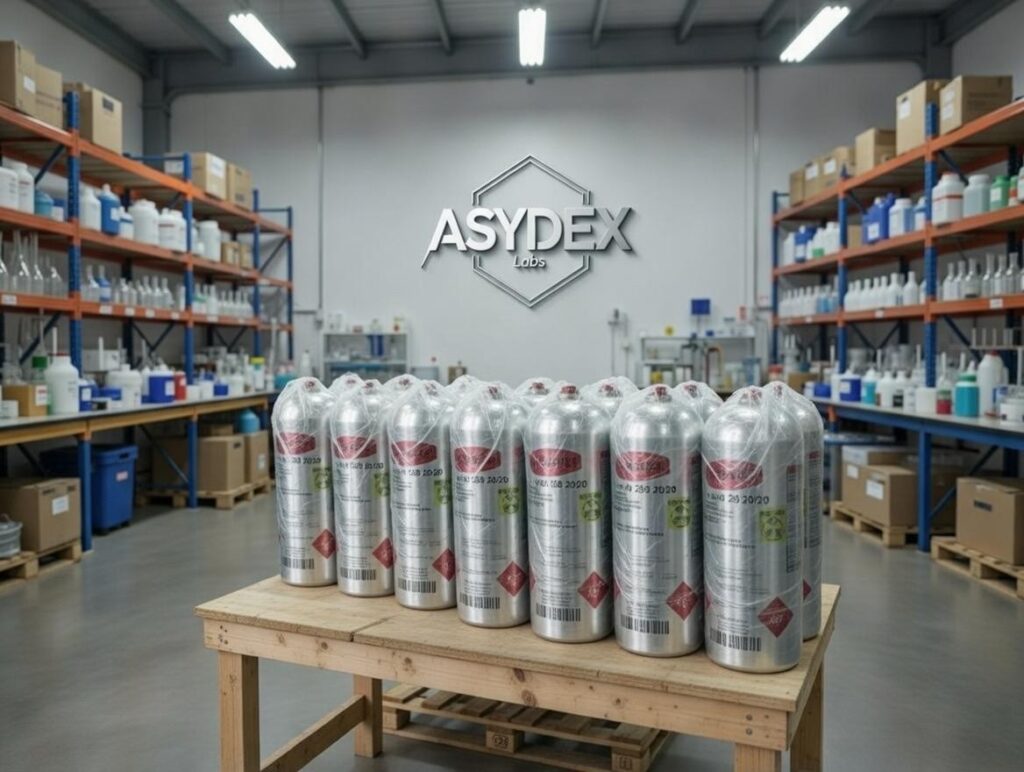
In legitimate industrial supply chains, materials used for mining, refining, metallurgical processing, or laboratory applications are rarely purchased through simple online listings alone. Procurement departments generally follow structured qualification workflows before approving any supplier dealing with industrial-grade materials or regulated chemical products.
A standard verification process may involve:
- reviewing company incorporation records
- validating export licenses and customs registration
- requesting Safety Data Sheets (SDS)
- reviewing Certificate of Analysis (COA) reports
- confirming hazardous cargo classification
- conducting supplier audits through third-party inspection agencies
- verifying warehouse infrastructure and packaging capability
These procedures are common across industrial distribution networks handling regulated materials, particularly where cross-border shipping or mining-sector procurement is involved.
What “Red Mercury” Listings Usually Contain
One reason the red mercury market creates confusion is the inconsistency in how the material is described. Some brokers market it as a mining recovery compound. Others present it as a laboratory material, metallurgical additive, or industrial catalyst. In many cases, the listings contain pricing information and broad performance claims but provide very limited technical detail.
Experienced sourcing teams immediately look for missing elements such as:
- CAS registry references
- laboratory composition analysis
- UN hazardous goods classification
- batch traceability records
- packaging specifications
- country-of-origin documentation
- transport compliance paperwork
Without these details, industrial buyers often cannot complete internal procurement approval procedures.
In mining and metallurgical sourcing environments, materials are normally validated through measurable testing and documentation processes rather than marketing claims alone.
How Industrial Buyers Verify Material Authenticity
Industrial procurement teams handling chemical-related sourcing typically operate under strict compliance procedures designed to reduce operational and regulatory risk. Before a supplier is added to an approved vendor list, buyers may perform a multi-stage qualification review.
This process often includes:
Documentation Review
Procurement departments usually request:
- business registration certificates
- export authorization records
- material handling declarations
- insurance documentation
- safety compliance paperwork
- prior shipping references
If a supplier cannot provide consistent documentation, the transaction may be paused before any laboratory evaluation begins.
Laboratory Verification
For industrial-grade materials, buyers frequently require independent laboratory testing before authorizing large-volume orders. Samples may be sent to third-party laboratories for:
- elemental composition analysis
- contamination screening
- purity verification
- density testing
- material consistency evaluation
In some cases, inspection companies such as SGS or Bureau Veritas may also be involved in pre-shipment verification procedures.
Logistics & Hazardous Material Review
Industrial chemical shipments moving across international borders typically require detailed transport documentation. Logistics providers may request:
- UN classification codes
- hazardous cargo declarations
- sealed container records
- temperature storage instructions
- packaging compliance labels
Even minor inconsistencies in documentation can delay customs clearance or trigger inspection holds at ports.
Why Procurement Teams Treat Red Mercury Claims Carefully
Industrial sourcing professionals are trained to identify inconsistencies in product representation, documentation, and compliance procedures. Listings connected to “buy red mercury for mining” or “liquid red mercury supplier” often raise procurement concerns because many sellers provide limited technical transparency.
For example, some listings advertise unusually high-value materials without:
- refinery source documentation
- laboratory-issued COA reports
- transport classification details
- industrial handling protocols
- manufacturing traceability
In regulated procurement environments, undocumented materials can create serious operational complications. A mining company importing unidentified chemical products may face customs delays, regulatory investigations, insurance issues, or environmental compliance violations.
Because of these risks, most industrial procurement teams prioritize suppliers with established industrial distribution capability and verifiable documentation standards rather than speculative marketplace claims.
Industrial Reality vs Online Market Claims
Modern mineral processing and metallurgical recovery operations rely on documented engineering systems, measurable recovery calculations, and controlled chemical handling procedures. Mining operators typically work with approved industrial-grade materials supported by laboratory analysis and operational testing data.
Industrial facilities involved in extraction or processing environments also follow workplace safety standards related to:
- hazardous material storage
- chemical containment systems
- ventilation requirements
- environmental reporting protocols
- transport handling regulations
As a result, experienced sourcing professionals generally evaluate red mercury discussions from a compliance and procurement-risk perspective rather than treating them as validated industrial commodity categories.
Informational Notice
This article is intended for industrial sourcing awareness and procurement education purposes only. It does not validate scientific or commercial claims associated with red mercury products. Companies involved in industrial procurement should conduct independent technical verification, legal review, and compliance assessment before entering any chemical-related sourcing agreement.
FAQs
1. What are red mercury claims in industrial markets?
They are commercial or sourcing claims associated with materials marketed under the “red mercury” name, often without standardized technical validation.
2. How do industrial buyers verify material authenticity?
Procurement teams typically use laboratory testing, documentation review, supplier audits, and third-party inspection procedures.
3. Why is supplier verification important in chemical sourcing?
Verification helps reduce compliance risks, shipment issues, counterfeit material exposure, and procurement-related losses.
4. What documents are commonly required during industrial chemical procurement?
Typical requirements include SDS documentation, COA reports, export records, hazardous cargo declarations, and origin certificates.
5. Why are hazardous material protocols important during shipping?
Improper labeling or transport handling can create customs delays, regulatory penalties, or safety risks during transit.
6. How do mining companies usually approve industrial suppliers?
Mining procurement teams generally conduct compliance reviews, supplier qualification checks, and laboratory verification before approving purchases.
Industrial Supply Considerations for Silver Mercury in Mining Operations
Industrial procurement within mining and metallurgical sectors involves strict verification procedures, laboratory analysis standards, and logistics compliance requirements. Companies sourcing materials connected to mineral processing or industrial applications generally operate through controlled procurement systems designed to reduce operational disruption and regulatory exposure.
Searches related to “silver mercury supply for mining and industrial applications” commonly appear across industrial sourcing discussions, particularly among buyers exploring materials connected to metallurgical workflows or processing environments. However, experienced procurement professionals typically evaluate suppliers based on technical documentation and operational capability rather than marketplace advertising alone.

Procurement Compliance in Industrial Supply Chains
Mining-sector procurement departments usually follow standardized onboarding procedures before approving suppliers handling industrial-grade or regulated materials.
This process may include:
- supplier registration review
- export documentation checks
- hazardous material compliance verification
- warehouse capability assessment
- shipment-history evaluation
- laboratory report validation
In many industrial environments, suppliers are added to approved vendor systems only after passing compliance and logistics reviews.
Laboratory Testing and Material Authentication
Industrial sourcing workflows often involve multiple testing stages before procurement approval is granted.
Buyers may request:
- composition analysis
- purity testing
- contamination screening
- material consistency evaluation
- independent laboratory verification
Third-party testing agencies are commonly used when procurement involves international shipments or industrial-scale purchase volumes.
Mining and metallurgical facilities rely heavily on predictable material specifications because inconsistencies can affect processing efficiency, recovery calculations, and operational planning.
International Shipping and Documentation Standards
Industrial distribution networks handling regulated materials typically operate under strict transport procedures.
Suppliers may need to provide:
- UN hazardous goods declarations
- customs export records
- packaging compliance documentation
- emergency response information
- container seal verification
- transport classification codes
Logistics providers often review these records before shipment acceptance.
Failure to meet documentation standards can create customs delays, inspection holds, or rejected cargo at destination ports.
Storage and Handling Considerations
Industrial facilities handling specialty materials generally operate under structured workplace safety procedures involving:
- controlled storage zones
- ventilation systems
- spill-response protocols
- hazardous material segregation
- inventory tracking systems
Procurement teams frequently evaluate supplier storage capability during onboarding reviews, particularly when dealing with materials requiring controlled handling environments.
Supplier Reliability in Mining Operations
Mining supply chains depend on consistency, predictable delivery schedules, and documentation accuracy. Procurement teams often prioritize suppliers capable of:
- maintaining stable inventory levels
- coordinating international shipping
- supporting customs documentation
- managing industrial packaging requirements
- providing traceable shipment records
Operational reliability is usually considered more valuable than aggressive pricing or unsupported product claims.
Informational Notice
This article is intended for industrial sourcing awareness and procurement education purposes only. It does not validate commercial or scientific claims associated with specialty industrial materials. Businesses should independently review compliance, laboratory verification, and regulatory requirements before entering sourcing agreements.
FAQs
1. Why is procurement compliance important in mining operations?
Compliance helps prevent shipment delays, operational disruptions, and regulatory complications.
2. What role does laboratory testing play in industrial sourcing?
Testing helps verify composition, purity consistency, and material authenticity before shipment approval.
3. Why are hazardous goods declarations required?
They support safe transportation, customs processing, and regulatory compliance during shipping.
4. How do procurement teams evaluate industrial suppliers?
Buyers review documentation quality, logistics capability, laboratory records, and shipment history.
5. What storage standards are important in industrial facilities?
Ventilation systems, containment protocols, hazardous material segregation, and inventory controls are commonly evaluated.
6. Why is shipment traceability important in mining supply chains?
Traceability helps maintain procurement accountability and operational consistency across industrial deliveries.