
Understanding Red Mercury Claims in Industrial Markets
Discussions around red mercury continue to appear in commodity trading circles, mining forums, industrial brokerage networks, and chemical sourcing inquiries. Terms such as “red mercury supplier,” “industrial red mercury supplier,” and “red mercury for gold extraction” are frequently searched online, particularly by buyers exploring specialty materials connected to metallurgical operations or mineral processing sectors. However, within regulated industrial procurement environments, most sourcing professionals approach these listings cautiously because many claims associated with red mercury lack standardized technical validation and traceable industrial documentation.
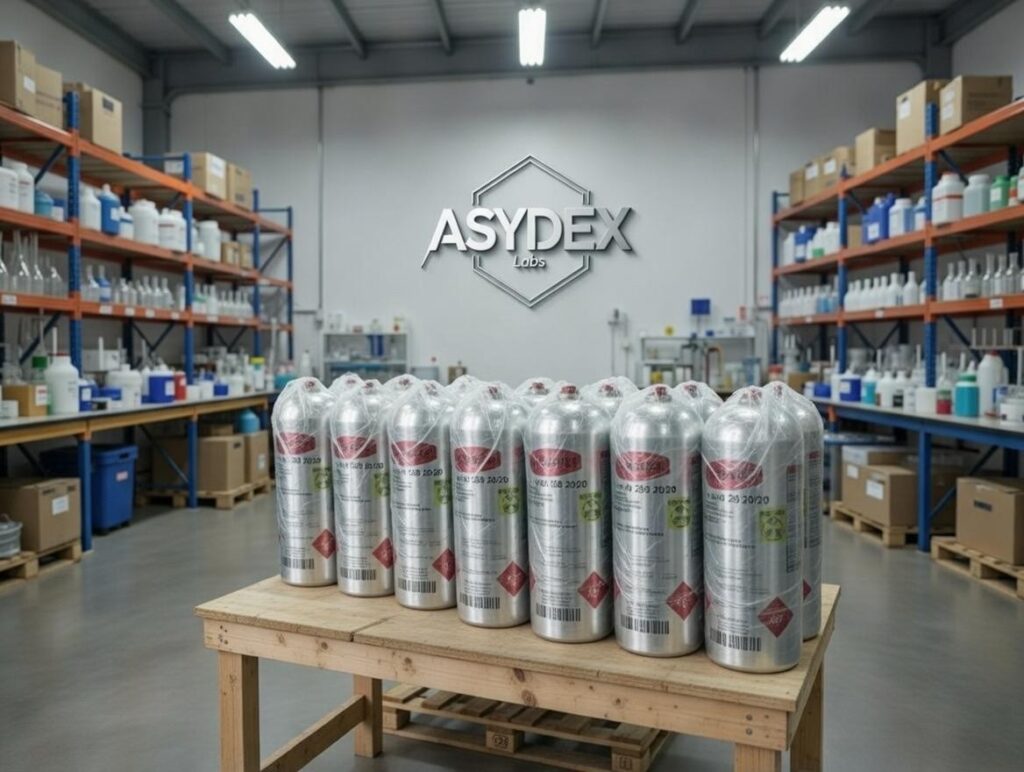
In legitimate industrial supply chains, materials used for mining, refining, metallurgical processing, or laboratory applications are rarely purchased through simple online listings alone. Procurement departments generally follow structured qualification workflows before approving any supplier dealing with industrial-grade materials or regulated chemical products.
A standard verification process may involve:
- reviewing company incorporation records
- validating export licenses and customs registration
- requesting Safety Data Sheets (SDS)
- reviewing Certificate of Analysis (COA) reports
- confirming hazardous cargo classification
- conducting supplier audits through third-party inspection agencies
- verifying warehouse infrastructure and packaging capability
These procedures are common across industrial distribution networks handling regulated materials, particularly where cross-border shipping or mining-sector procurement is involved.
What “Red Mercury” Listings Usually Contain
One reason the red mercury market creates confusion is the inconsistency in how the material is described. Some brokers market it as a mining recovery compound. Others present it as a laboratory material, metallurgical additive, or industrial catalyst. In many cases, the listings contain pricing information and broad performance claims but provide very limited technical detail.
Experienced sourcing teams immediately look for missing elements such as:
- CAS registry references
- laboratory composition analysis
- UN hazardous goods classification
- batch traceability records
- packaging specifications
- country-of-origin documentation
- transport compliance paperwork
Without these details, industrial buyers often cannot complete internal procurement approval procedures.
In mining and metallurgical sourcing environments, materials are normally validated through measurable testing and documentation processes rather than marketing claims alone.
How Industrial Buyers Verify Material Authenticity
Industrial procurement teams handling chemical-related sourcing typically operate under strict compliance procedures designed to reduce operational and regulatory risk. Before a supplier is added to an approved vendor list, buyers may perform a multi-stage qualification review.
This process often includes:
Documentation Review
Procurement departments usually request:
- business registration certificates
- export authorization records
- material handling declarations
- insurance documentation
- safety compliance paperwork
- prior shipping references
If a supplier cannot provide consistent documentation, the transaction may be paused before any laboratory evaluation begins.
Laboratory Verification
For industrial-grade materials, buyers frequently require independent laboratory testing before authorizing large-volume orders. Samples may be sent to third-party laboratories for:
- elemental composition analysis
- contamination screening
- purity verification
- density testing
- material consistency evaluation
In some cases, inspection companies such as SGS or Bureau Veritas may also be involved in pre-shipment verification procedures.
Logistics & Hazardous Material Review
Industrial chemical shipments moving across international borders typically require detailed transport documentation. Logistics providers may request:
- UN classification codes
- hazardous cargo declarations
- sealed container records
- temperature storage instructions
- packaging compliance labels
Even minor inconsistencies in documentation can delay customs clearance or trigger inspection holds at ports.
Why Procurement Teams Treat Red Mercury Claims Carefully
Industrial sourcing professionals are trained to identify inconsistencies in product representation, documentation, and compliance procedures. Listings connected to “buy red mercury for mining” or “liquid red mercury supplier” often raise procurement concerns because many sellers provide limited technical transparency.
For example, some listings advertise unusually high-value materials without:
- refinery source documentation
- laboratory-issued COA reports
- transport classification details
- industrial handling protocols
- manufacturing traceability
In regulated procurement environments, undocumented materials can create serious operational complications. A mining company importing unidentified chemical products may face customs delays, regulatory investigations, insurance issues, or environmental compliance violations.
Because of these risks, most industrial procurement teams prioritize suppliers with established industrial distribution capability and verifiable documentation standards rather than speculative marketplace claims.
Industrial Reality vs Online Market Claims
Modern mineral processing and metallurgical recovery operations rely on documented engineering systems, measurable recovery calculations, and controlled chemical handling procedures. Mining operators typically work with approved industrial-grade materials supported by laboratory analysis and operational testing data.
Industrial facilities involved in extraction or processing environments also follow workplace safety standards related to:
- hazardous material storage
- chemical containment systems
- ventilation requirements
- environmental reporting protocols
- transport handling regulations
As a result, experienced sourcing professionals generally evaluate red mercury discussions from a compliance and procurement-risk perspective rather than treating them as validated industrial commodity categories.
Informational Notice
This article is intended for industrial sourcing awareness and procurement education purposes only. It does not validate scientific or commercial claims associated with red mercury products. Companies involved in industrial procurement should conduct independent technical verification, legal review, and compliance assessment before entering any chemical-related sourcing agreement.
FAQs
1. What are red mercury claims in industrial markets?
They are commercial or sourcing claims associated with materials marketed under the “red mercury” name, often without standardized technical validation.
2. How do industrial buyers verify material authenticity?
Procurement teams typically use laboratory testing, documentation review, supplier audits, and third-party inspection procedures.
3. Why is supplier verification important in chemical sourcing?
Verification helps reduce compliance risks, shipment issues, counterfeit material exposure, and procurement-related losses.
4. What documents are commonly required during industrial chemical procurement?
Typical requirements include SDS documentation, COA reports, export records, hazardous cargo declarations, and origin certificates.
5. Why are hazardous material protocols important during shipping?
Improper labeling or transport handling can create customs delays, regulatory penalties, or safety risks during transit.
6. How do mining companies usually approve industrial suppliers?
Mining procurement teams generally conduct compliance reviews, supplier qualification checks, and laboratory verification before approving purchases.