Mineral processing plants need to control costs while maintaining high recovery rates and consistent product quality. Reagent use plays a major role in this balance. When operators use too much, apply the wrong dosage, or allow chemicals to lose their effectiveness, costs rise and process performance can suffer. By managing mineral processing chemicals carefully, plants can reduce waste, improve efficiency, and support safer operations.
Why Does Reagent Waste Matter?
Reagents help separate valuable minerals from unwanted materials. However, poor storage, incorrect dosing, and weak process control can increase consumption without improving recovery.
Excess reagent use can lead to:
- Higher chemical purchasing and handling costs
- Poor flotation or separation performance
- Increased wastewater treatment needs
- Greater risks during chemical handling and storage
- More environmental pressure from process residues
The goal is not simply to use fewer reagents. It is to use the right amount at the right time under suitable operating conditions.
1. Measure Reagent Dosage Accurately
Incorrect dosing is a common cause of reagent waste. Too little reagent may reduce mineral recovery, while too much can increase costs and affect separation quality.
Operators should review dosage rates regularly and compare them with actual process results.
Practical steps:
- Calibrate dosing pumps and flow meters on a set schedule.
- Check reagent consumption against ore throughput.
- Use laboratory tests to establish suitable dosage ranges.
- Record dosage changes and their effect on recovery.
Accurate measurement helps plants avoid unnecessary chemical use while keeping operations stable.
2. Test Ore Before Changing Reagent Levels
Ore composition can vary between deposits, production areas, and processing shifts. These changes may affect how minerals respond to reagents. Applying the same dosage to every ore type can create waste.
Routine sampling and laboratory testing help teams understand changes in ore properties before adjusting the process.
Focus on factors such as mineral content, particle size, pH, and the presence of materials that may interfere with separation. Use the results to guide reagent selection and dosage.
This approach helps operators match treatment methods to the ore rather than relying on fixed settings.
3. Improve Chemical Storage and Handling
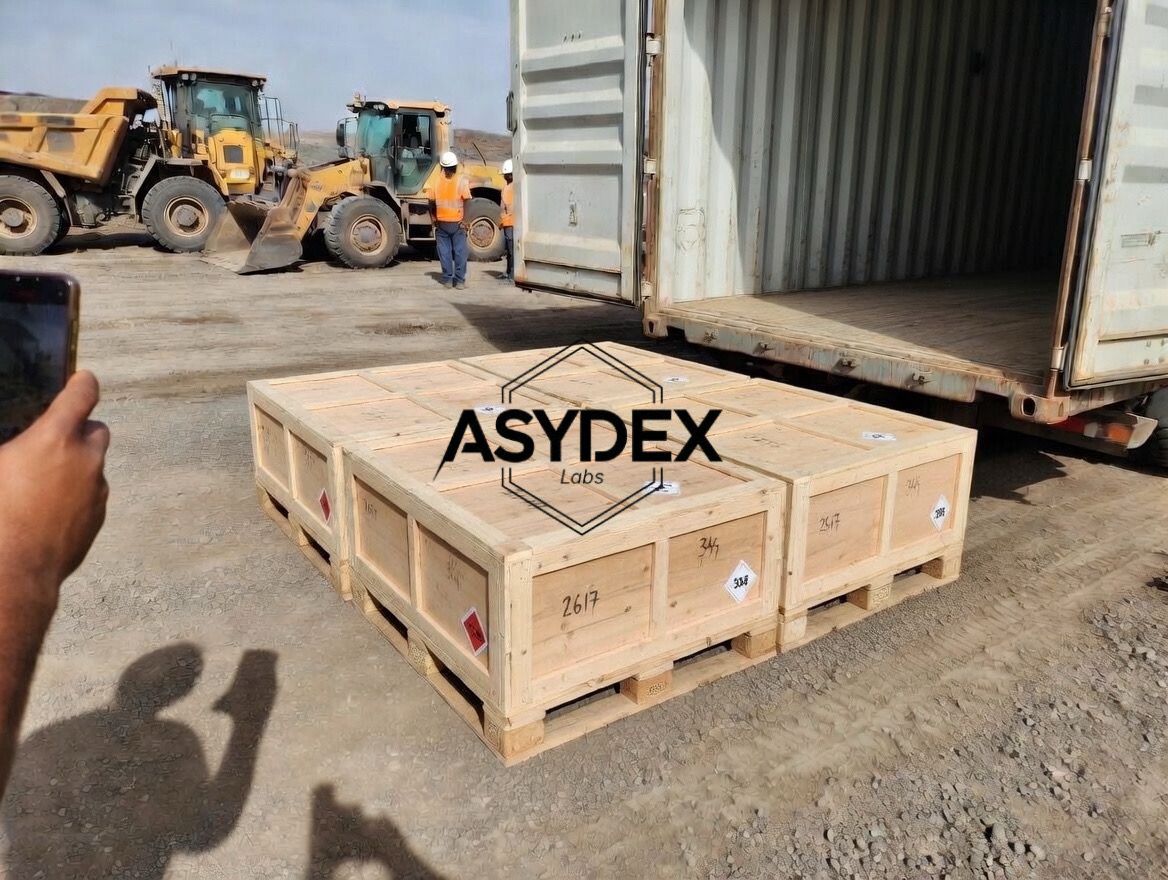
Poor storage can reduce reagent quality and cause avoidable losses. Leaking containers, moisture exposure, contamination, and unsuitable temperatures can damage certain products. Spills and expired stock also waste valuable material.
Follow the supplier’s safety data sheet and storage instructions for each reagent.
Good storage practices include:
- Keep containers sealed and clearly labelled.
- Store chemicals under the recommended conditions.
- Separate incompatible substances.
- Inspect tanks, pipes, valves, and transfer equipment for leaks.
- Use stock rotation to reduce expired inventory.
- Train staff in spill prevention and safe handling.
Strong inventory control also helps purchasing teams avoid ordering more chemicals than the plant needs.
4. Maintain Reagent Preparation Equipment
Poorly maintained equipment can cause uneven mixing, leaks, blocked lines, and inaccurate dosing. These problems often increase reagent consumption or create inconsistent process results.
Inspect preparation tanks, mixers, dosing pumps, injection points, and pipelines. Clean equipment according to approved procedures and replace worn parts when needed.
Operators should also confirm that the mixing process produces the required concentration. Incorrect dilution can lead to overdosing or weak reagent performance.
A preventive maintenance plan helps identify small problems before they cause larger losses or unplanned shutdowns.
5. Optimise Process Conditions
Reagents work best under suitable operating conditions. Changes in pH, water quality, pulp density, particle size, and flotation time can affect their performance.
Instead of increasing reagent dosage whenever recovery drops, investigate the cause first.
For example, a pH change may affect how a collector or depressant behaves. Poor grinding may also prevent valuable minerals from separating properly. Adding more chemicals will not always solve these issues.
Use controlled tests to evaluate process adjustments. Work with metallurgists and plant operators to identify settings that maintain recovery without unnecessary reagent use.
6. Track Consumption and Recovery Data
Plants can reduce waste more effectively when they understand where and when it occurs. Regular data reviews help teams identify unusual consumption patterns and measure the impact of process changes.
Track key indicators such as:
- Reagent consumption per tonne of ore processed
- Mineral recovery and concentrate grade
- Chemical losses from leaks or spills
- Reagent costs per tonne of product
- Variations between shifts or production areas
Compare these figures over time rather than relying on a single day’s results. Digital monitoring systems can also alert operators when consumption moves outside an approved range.
Use the findings to investigate problems and improve dosing practices.
7. Review Reagent Selection With Suppliers
Not every reagent performs equally well with every ore type or process. An unsuitable product may require higher dosages while delivering limited improvements in recovery.
Review reagent performance with qualified suppliers and mineral processing specialists. Compare products through controlled laboratory or plant trials before making changes.
When evaluating alternatives, consider performance, compatibility, handling requirements, supply consistency, and total cost per tonne processed. The cheapest product per kilogram may not offer the lowest overall processing cost.
Reliable suppliers can also provide technical guidance on preparation, storage, and safe use. Any change should follow site procedures and applicable safety requirements.
Final Thoughts
Reducing reagent waste requires more than cutting dosage rates. Mineral processing plants need accurate measurement, regular ore testing, proper storage, reliable equipment, and consistent performance tracking. These steps help teams find the right balance between chemical consumption, recovery, operating costs, and safety.
Careful management of mineral processing chemicals can improve process control and reduce avoidable losses. Start by measuring current consumption, identifying the main sources of waste, and testing improvements one step at a time. Review the results before expanding changes across the plant.
FAQs
1. How can mineral processing plants reduce reagent consumption?
Plants can reduce consumption by calibrating dosing equipment, testing ore regularly, improving chemical storage, maintaining preparation systems, and monitoring reagent use against recovery results.
2. What causes excessive reagent use in mineral processing?
Common causes include incorrect dosage, changing ore properties, poor equipment performance, unsuitable process conditions, chemical leaks, and the use of reagents that do not suit the ore.
3. How does ore testing help prevent reagent waste?
Ore testing identifies changes in mineral composition and other properties that affect reagent performance. Operators can use these results to adjust dosage and process conditions more accurately.
4. Why is proper reagent storage important?
Proper storage helps preserve chemical quality, prevent contamination, reduce leaks and spills, and limit losses from damaged or expired stock. Always follow the product’s safety data sheet and supplier guidance.
5. How can a plant measure reagent efficiency?
A plant can track reagent consumption per tonne of ore, recovery rates, concentrate grade, and chemical costs. Comparing these measures over time helps teams identify waste and evaluate process improvements.

Need Industrial Chemical Supply?
AsydeX Labs supplies high-purity chemicals to mining operations worldwide. ISO 9001:2015 certified.
Request a Quote →