One contaminated batch can undo months of research, and that single thought keeps procurement managers awake more often than they’d admit. Whether you’re running a pharmaceutical lab or a semiconductor facility, the margin for error in raw materials is razor thin. Picking the right high purity chemical supplier isn’t just a purchasing decision; it’s a safeguard for your entire production line. Stick with this guide, because the criteria ahead could save you from costly mistakes long before they ever reach your lab bench.
What Actually Defines a High Purity Chemical
High purity chemicals are substances refined to remove trace contaminants, often measured in parts per million or even parts per billion. The exact threshold depends on your industry, but the goal remains constant: consistency without unwanted interference.
Why Purity Standards Vary Across Industries
Not every application demands the same level of chemical cleanliness, and understanding this difference shapes your entire sourcing decision.
- Semiconductor manufacturing needs extreme precision: Even microscopic impurities can ruin an entire silicon wafer, making ultra-high purity grades absolutely non-negotiable in this sector.
- Pharmaceutical applications prioritise safety compliance: Contamination risks directly affect patient health, so suppliers must meet strict regulatory purity thresholds before any chemical reaches production.
Evaluating a High Purity Chemical Supplier’s Credentials
Credentials separate suppliers who talk about quality from those who actually deliver it consistently.
- Check relevant certifications: Look for ISO certifications, GMP compliance, or industry-specific accreditations that confirm the supplier follows recognised quality control protocols.
- Review testing and documentation practices: A reliable supplier provides detailed certificates of analysis for every batch, showing exact purity levels and contamination testing results.
Assessing Consistency Over a Single Good Batch
One excellent shipment doesn’t guarantee reliability; real trust builds through repeated performance over time.
- Ask for batch-to-batch consistency data: Request historical purity records across multiple shipments to confirm the supplier maintains quality rather than delivering occasional lucky results.
- Understand their quality control process: Suppliers with robust internal testing systems catch deviations before shipment, protecting you from inconsistent or borderline contaminated deliveries.
Considering Supply Chain Reliability and Logistics
Even the purest chemical becomes useless if it doesn’t arrive when your production schedule needs it.
- Evaluate delivery timelines and flexibility: A dependable supplier communicates realistic lead times and adjusts smoothly when your order volumes fluctuate unexpectedly.
- Check storage and handling capabilities: Proper packaging and transport conditions prevent degradation, especially for chemicals sensitive to temperature, light, or moisture exposure.
Weighing Cost Against Long-Term Value
The cheapest option often becomes the most expensive mistake once quality issues surface downstream.
- Avoid choosing purely on price: Slightly higher costs from a proven supplier often prevent expensive production failures, recalls, or compliance violations later.
- Factor in total cost of ownership: Consider testing fees, potential downtime, and rework costs, not just the sticker price listed on the initial quote.
Building a Long-Term Supplier Relationship
The best sourcing decisions rarely happen through one-off transactions; they grow through ongoing partnership.
- Prioritise responsive communication: A supplier who answers questions quickly and transparently usually reflects the same reliability in their actual product quality.
- Look for scalability potential: Choose a partner capable of growing alongside your production needs, avoiding the hassle of switching suppliers mid-expansion.
Red Flags Worth Watching For
Certain warning signs should immediately raise questions before you commit to any contract.
- Vague or missing documentation: Suppliers hesitant to share testing certificates or compliance records usually signal deeper quality control gaps worth avoiding entirely.
- Inconsistent communication or pricing: Frequent changes in quotes, unclear terms, or slow responses often foreshadow bigger reliability problems once you’re already dependent on them.
Final Thoughts
Choosing a high purity chemical supplier ultimately comes down to trust built on evidence, not promises. Certifications, consistent testing records, reliable logistics, and honest communication together paint a clearer picture than any sales pitch ever could. Take the time to verify these details upfront, because in industries where purity isn’t optional, your supplier choice becomes part of your product’s foundation.
Frequently Asked Questions
1. How often should a supplier’s certifications be reverified?
Annually is a reasonable standard, though industries with strict regulatory oversight may require more frequent verification, especially after any changes in manufacturing processes or facilities.
2. Can a supplier offer different purity grades for the same chemical?
Yes, many suppliers provide multiple grades for a single chemical, letting buyers choose based on their specific application rather than paying for unnecessary purity levels.
3. What role does packaging play in maintaining chemical purity?
Packaging protects against contamination, moisture, and reactivity during transport. Poor packaging can compromise purity even if the chemical left the facility perfectly clean.
4. Should smaller companies expect the same service level as larger buyers?
Reputable suppliers typically maintain consistent quality and service regardless of order size, though response times and customisation options may vary based on volume commitments.
5. Is it risky to switch suppliers mid-production cycle?
It carries some risk, since new suppliers require requalification testing. Planning transitions during scheduled downtime minimises disruption to ongoing production timelines.

Need Industrial Chemical Supply?
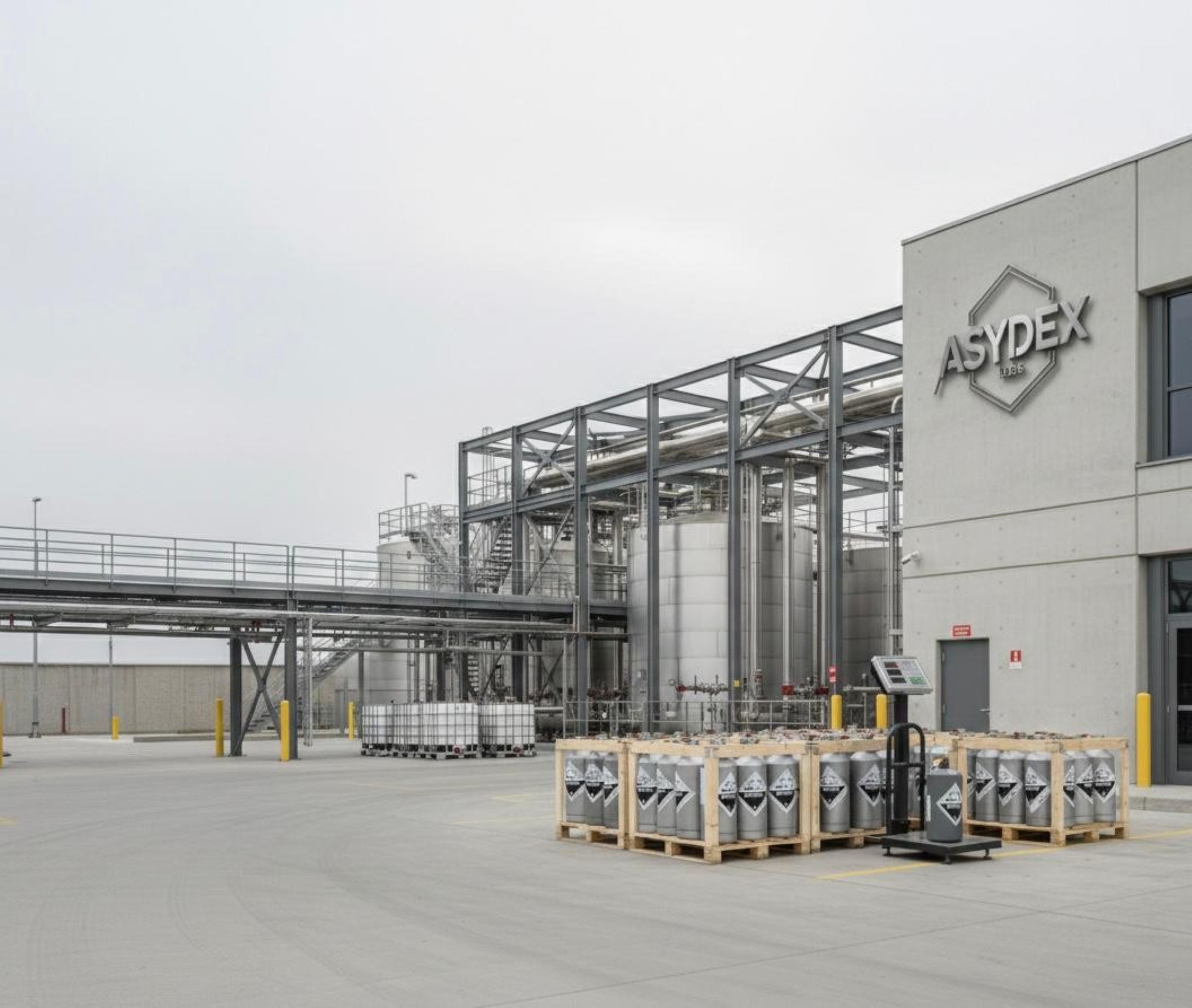
AsydeX Labs supplies high-purity chemicals to mining operations worldwide. ISO 9001:2015 certified.
Request a Quote →