
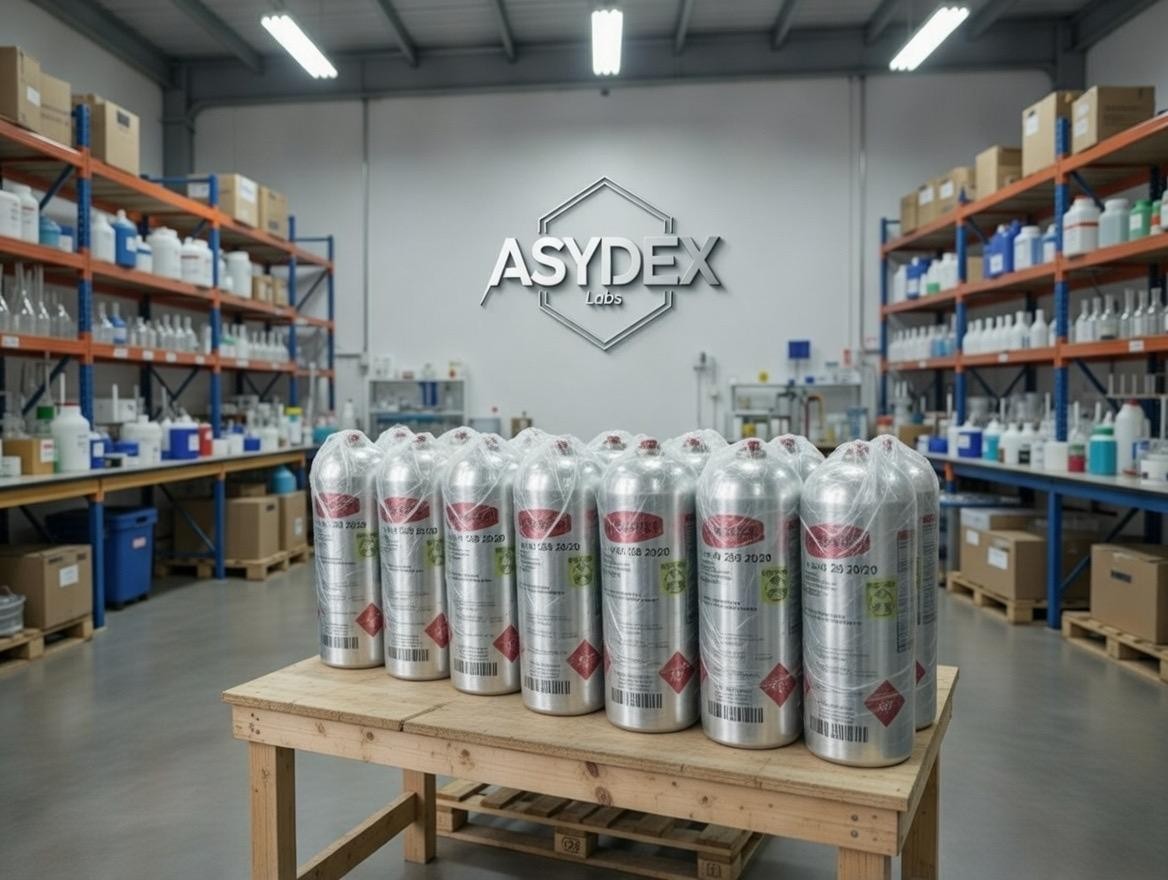
Online claims about rare chemicals can sound convincing, especially when sellers promise unusual materials, high value, or secret industrial uses. Before trusting a liquid red mercury supplier, buyers should stop and verify every claim. Many offers linked to “red mercury” rely on false science, fake documents, pressure tactics, and requests for large payments.
What Is Liquid Red Mercury?
“Liquid red mercury” has long appeared in rumors and online scams. Sellers often describe it as a rare, powerful, or highly valuable substance with special military, nuclear, or industrial properties. However, credible scientific sources do not support these extraordinary claims.
A seller may use technical terms to make an offer sound genuine. Complex language does not prove that the product exists or that the supplier has a legitimate business.
Common Signs of a Fake Supplier
Watch for these warning signs before responding to an online offer:
- Unusual scientific claims: Be careful when a seller promises impossible or extraordinary results without reliable scientific evidence.
- Secret formulas: A supplier who refuses to provide basic product information should raise concerns.
- Huge profits: Promises of quick wealth or guaranteed returns often signal a scam.
- Urgent payment demands: Fake sellers may claim that a special deal expires soon to pressure buyers.
- Unverified certificates: A certificate, laboratory report, or government-looking document can still be fake.
- Anonymous communication: Be cautious when a seller avoids a verifiable company name, physical location, or business identity.
- Untraceable payments: Requests for cryptocurrency, cash transfers, gift cards, or other difficult-to-recover payments create major risks.
- No independent evidence: A legitimate chemical claim should have credible evidence from recognized scientific or regulatory sources.
Check the Supplier Before You Trust the Offer
Search for the company’s legal name, business registration, physical address, and independent reputation. Do not rely only on testimonials published on the seller’s website.
Ask for documentation that you can independently verify. If the supplier provides a laboratory report, contact the laboratory through its official contact details rather than using the phone number or email listed only on the document.
You should also check whether the claimed substance has a recognized scientific identity, established applications, and legitimate documentation. A professional-looking website does not establish authenticity.
Do Not Send Money Based on Promises
A fake liquid mercury supplier may ask for an advance payment before showing convincing evidence. Some scammers may then invent extra charges for customs, testing, insurance, transportation, or government approval.
Avoid sending money simply because the seller claims that another buyer has already paid. Pressure, secrecy, and unusual payment requests should encourage you to walk away.
Ask Simple Questions
Before engaging with any chemical seller, ask:
- What is the exact chemical name?
- What recognized scientific evidence supports the product?
- Who independently tested it?
- Can the testing laboratory verify the report?
- What is the company’s legal identity?
- Can its business information be independently confirmed?
- What regulations apply to the claimed material?
A seller who cannot provide clear answers should not receive your money or personal information.
Final Thoughts
A trustworthy chemical transaction starts with evidence, verification, and caution. If an offer involves extraordinary claims, secrecy, urgent payments, or unverifiable documents, treat it as a serious warning. Never let an attractive promise replace independent scientific and business verification.
FAQs
1. Is liquid red mercury a real commercial product?
Claims about a special substance called “red mercury” lack credible scientific support. Many online offers use the name to attract buyers.
2. How can I verify a chemical supplier?
Check the company’s legal identity, independent reputation, scientific documentation, laboratory information, and applicable regulations. Do not rely only on seller-provided evidence.
3. Can fake certificates prove that a supplier is legitimate?
No. Scammers can create convincing documents. Verify certificates directly with the issuing laboratory or authority.
4. What should I do if a seller demands urgent payment?
Stop the transaction and verify the claims independently. Avoid payments that you cannot easily recover.
5. Why do scammers use technical language?
Technical terms can make unsupported claims sound credible. Always judge the evidence rather than the complexity of the language.

Need Industrial Chemical Supply?
AsydeX Labs supplies high-purity chemicals to mining operations worldwide. ISO 9001:2015 certified.
Request a Quote →