
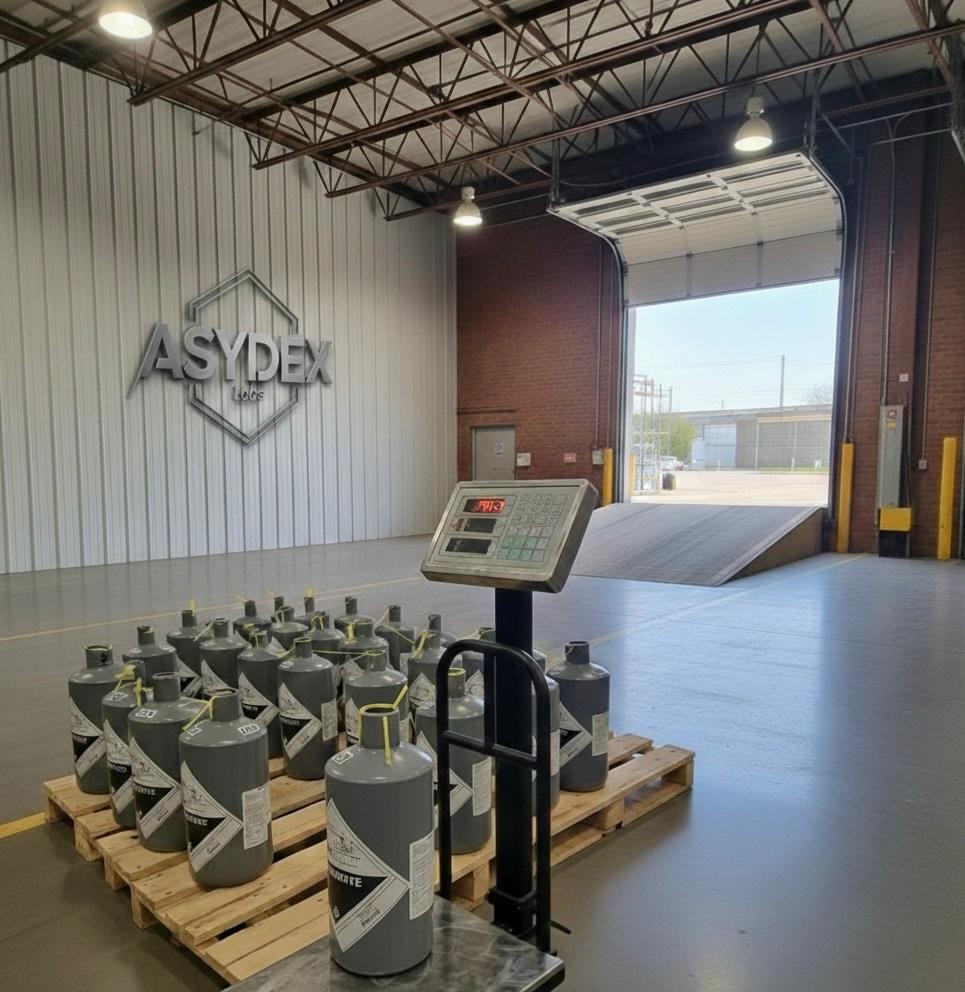
Silver mercury can present serious health and environmental risks when people handle it without proper controls. Anyone who needs to verify high purity silver mercury should avoid home testing, heating, chemical reactions, or other hands-on experiments. A qualified laboratory can identify the material and measure its purity with controlled methods.
Why Purity Testing Matters
Purity affects how a material behaves, performs, and meets a required specification. Visual appearance alone cannot confirm whether a mercury sample contains unwanted metals, compounds, or other contaminants.
A proper purity check can help:
- Confirm the material matches its stated specification.
- Identify unwanted impurities.
- Reduce the risk of using an incorrectly labeled material.
- Support quality control and documentation.
- Provide reliable results for professional or industrial use.
Because mercury is toxic, safety should always come before convenience.
Do Not Test Mercury at Home
Home testing can create unnecessary exposure. Mercury can release harmful vapor, especially when someone heats it or uses an unsuitable container or testing method.
Avoid these approaches:
- Do not heat the sample to judge its purity.
- Do not burn, evaporate, or boil mercury.
- Do not mix it with household chemicals.
- Do not use acids or other reactive substances for DIY testing.
- Do not touch the material with bare hands.
- Do not perform purity experiments in a kitchen, garage, or poorly ventilated room.
A simple appearance check cannot establish high purity silver mercury. Color, shine, movement, or surface appearance may provide clues about a material, but none of these observations can replace laboratory analysis.
Use an Accredited Laboratory
The safest option involves sending the sample to a laboratory that has experience with hazardous metals and mercury-containing materials. Tell the laboratory exactly what material you believe you have and explain why you need purity verification.
A professional laboratory can select an appropriate analytical method based on the sample and the information you need. Depending on the situation, the laboratory may assess elemental composition and identify trace contaminants.
Before submitting a sample, ask the laboratory:
- Do you accept mercury-containing samples?
- What packaging and shipping requirements do you follow?
- Which analytical method suits this material?
- Can you report individual impurities?
- Will you provide a formal test report?
Follow the laboratory’s instructions instead of creating your own testing procedure.
Check Documentation and Sample Identity
A laboratory report becomes more useful when you can connect it to the correct sample. Keep supplier information, product specifications, batch numbers, purchase records, and existing certificates together.
Check that the report clearly identifies:
- Sample or batch information
- Testing date
- Analytical method
- Reported purity or composition
- Detected impurities
- Laboratory identification
- Relevant accreditation or quality credentials
These details can help you compare the result with the supplier’s specification and determine whether the material meets your requirements.
What If You Already Have the Material?
Do not open, transfer, heat, or test an unknown mercury sample unnecessarily. Keep people away from the material and avoid actions that could spread contamination. If you suspect a spill, contact an appropriate hazardous-material or environmental professional rather than attempting cleanup with household equipment.
Professional guidance offers a safer route for confirming whether the material meets a high purity silver mercury specification.
Final Thoughts
Reliable purity testing requires controlled laboratory analysis, not visual inspection or DIY experiments. Mercury requires careful handling because exposure can create serious health and environmental concerns. Use qualified laboratories, follow approved packaging and transport instructions, and keep complete documentation for every sample.
FAQs
1. Can I check mercury purity by looking at its color?
No. Appearance cannot reliably determine purity. Different contaminants may not produce an obvious visual difference.
2. Can I test silver mercury with a home chemical kit?
It is better not to. Mercury can create exposure risks, and many household testing methods cannot provide dependable purity results.
3. What is the safest way to confirm mercury purity?
Use a qualified laboratory that accepts mercury samples and can perform suitable analytical testing under controlled conditions.
4. Should I heat mercury to test it?
No. Heating mercury can increase vapor exposure and create a serious safety hazard.
5. What information should I request from a testing laboratory?
Ask for the testing method, sample identification, measured composition or purity, detected impurities, test date, and relevant laboratory credentials.
6. Can a supplier certificate prove purity?
A certificate can provide useful information, but independent laboratory testing may offer stronger confirmation when purity is important for quality control or regulatory requirements.

Need Industrial Chemical Supply?
AsydeX Labs supplies high-purity chemicals to mining operations worldwide. ISO 9001:2015 certified.
Request a Quote →