
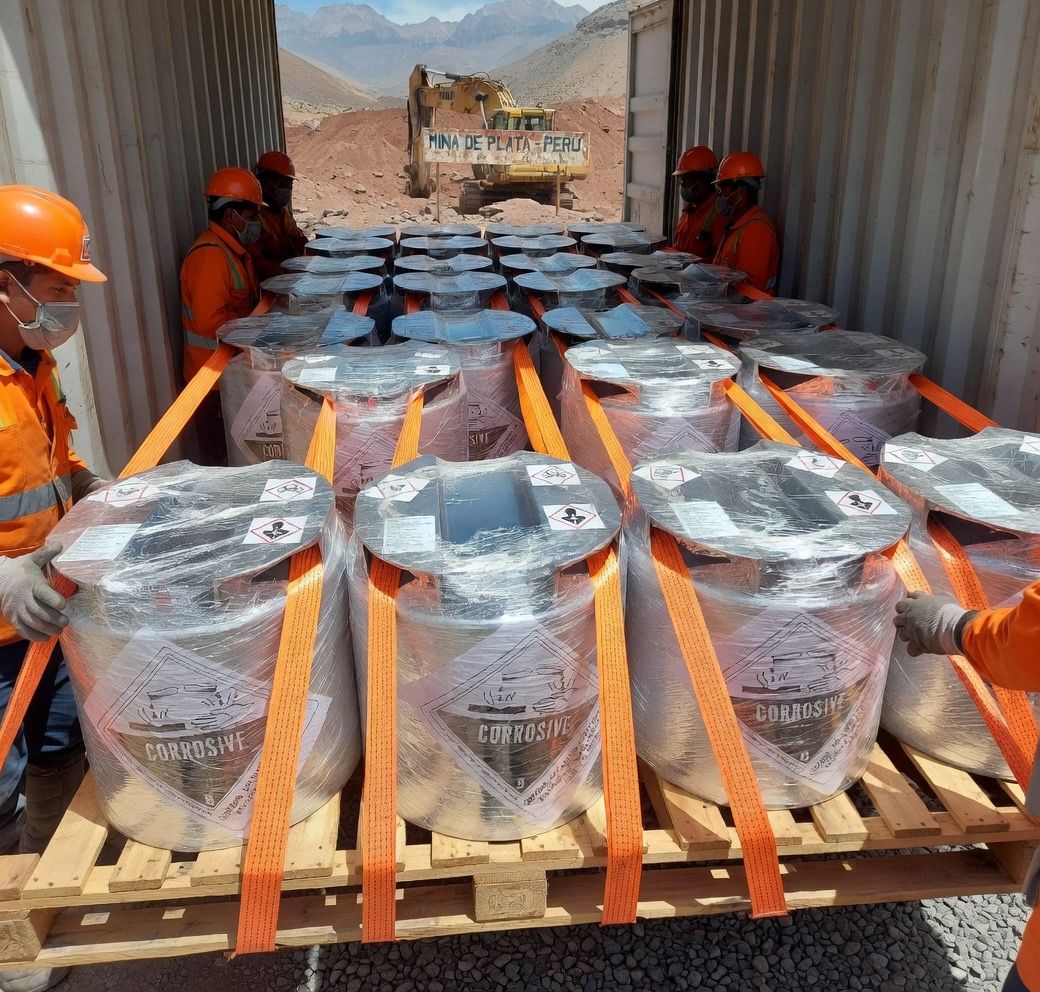
Chemical batches depend on accurate materials, consistent quality, and careful handling from the start. Even a small supplier mistake can affect purity, stability, performance, and production costs. Choosing a reliable high purity chemical supplier helps manufacturers reduce these risks and maintain consistent results across every batch.
1. Supplying Materials With Inconsistent Purity
Chemical manufacturers need reliable raw materials for every production cycle. When a supplier delivers materials with varying purity levels, the final batch may not meet its required specifications.
Small changes in purity can affect:
- Chemical reactions
- Product strength
- Color and appearance
- Stability
- Shelf life
- Final product performance
A supplier should maintain strict quality controls and provide consistent material from batch to batch. Manufacturers should also review certificates of analysis and test important materials before production.
2. Poor Storage and Handling Practices
Chemicals can change when suppliers store or handle them incorrectly. Heat, moisture, light, oxygen, or contamination can affect certain materials before they even reach the manufacturing facility.
For example, moisture-sensitive chemicals can absorb water during poor storage. This change may affect their reaction behavior and create unexpected results during production.
A dependable high purity chemical supplier should follow suitable storage and handling procedures. The supplier should also use appropriate containers, clear labels, and proper environmental controls for sensitive materials.
3. Failing to Provide Accurate Documentation
Good documentation helps manufacturers confirm what they receive. Missing, outdated, or incorrect documents can create confusion and slow production.
Important documents may include:
- Certificate of analysis
- Safety data sheet
- Batch or lot information
- Product specifications
- Handling instructions
- Regulatory information
Manufacturers should check whether supplier documents match the actual material, batch number, purity, and specifications. Clear documentation also makes it easier to trace a problem if a batch produces unexpected results.
4. Ignoring Packaging and Transportation Risks
A chemical can meet its specifications when it leaves the supplier but suffer damage during transportation. Poor packaging, incorrect labeling, temperature exposure, or unsuitable shipping conditions can create serious quality problems.
Suppliers should select packaging based on the chemical’s properties. They should also protect materials from conditions that could cause contamination, leakage, degradation, or physical damage.
Manufacturers can reduce transportation risks by asking suppliers about:
- Packaging standards
- Shipping conditions
- Temperature requirements
- Delivery timelines
- Lot traceability
A supplier that takes transportation seriously helps protect chemical quality throughout the supply chain.
5. Choosing Price Over Quality
Low prices can look attractive, especially when manufacturers purchase chemicals in large quantities. However, an unusually low price may come with quality, consistency, documentation, or service problems.
A cheaper material can create higher costs when it causes:
- Failed batches
- Production delays
- Extra testing
- Material waste
- Equipment cleaning
- Customer complaints
Manufacturers should compare suppliers based on total value rather than price alone. Quality systems, consistency, technical support, documentation, and delivery reliability all matter.
Working with a trusted high purity chemical supplier can help manufacturers maintain better control over raw material quality and reduce avoidable production problems.
How to Avoid Supplier-Related Batch Problems
Manufacturers can take several simple steps before placing an order:
- Review product specifications before purchasing.
- Request current certificates of analysis for applicable materials.
- Check supplier quality procedures and certifications.
- Confirm packaging and storage requirements.
- Ask about batch traceability and lot identification.
- Evaluate delivery and technical support, not just pricing.
- Test critical materials when quality has a direct impact on the finished product.
These steps help manufacturers identify potential problems before they affect production.
Final Thoughts
Chemical batch quality starts long before the manufacturing process begins. Inconsistent purity, poor storage, weak documentation, unsuitable packaging, and price-focused purchasing can all create avoidable risks. Manufacturers should evaluate suppliers carefully and choose partners that provide consistent materials, clear documentation, proper handling, and dependable service. The right supplier relationship can support safer processes, fewer failed batches, and more consistent product quality.
FAQs
1. How can a supplier mistake affect an entire chemical batch?
A small change in raw material purity or composition can alter a chemical reaction. This can affect the final product’s quality, performance, stability, or specifications.
2. What documents should I request from a chemical supplier?
Depending on the material, you may need a certificate of analysis, safety data sheet, product specifications, batch information, and relevant regulatory documentation.
3. Why does chemical storage matter before delivery?
Incorrect storage can expose chemicals to heat, moisture, light, oxygen, or contamination. These conditions can change material quality before it reaches your facility.
4. Should I choose a chemical supplier based only on price?
No. Price matters, but consistency, purity, documentation, packaging, delivery reliability, and quality controls can have a much greater effect on your overall production costs.
5. How can I check whether a supplier provides consistent chemicals?
Review product specifications, certificates of analysis, batch records, quality procedures, and testing practices. You can also evaluate samples from different batches when appropriate.
6. What should I do if a chemical batch fails unexpectedly?
First, review the batch records and test the raw materials used in production. Check supplier documentation, lot numbers, storage conditions, and process conditions to identify where the problem may have started.

Need Industrial Chemical Supply?
AsydeX Labs supplies high-purity chemicals to mining operations worldwide. ISO 9001:2015 certified.
Request a Quote →