
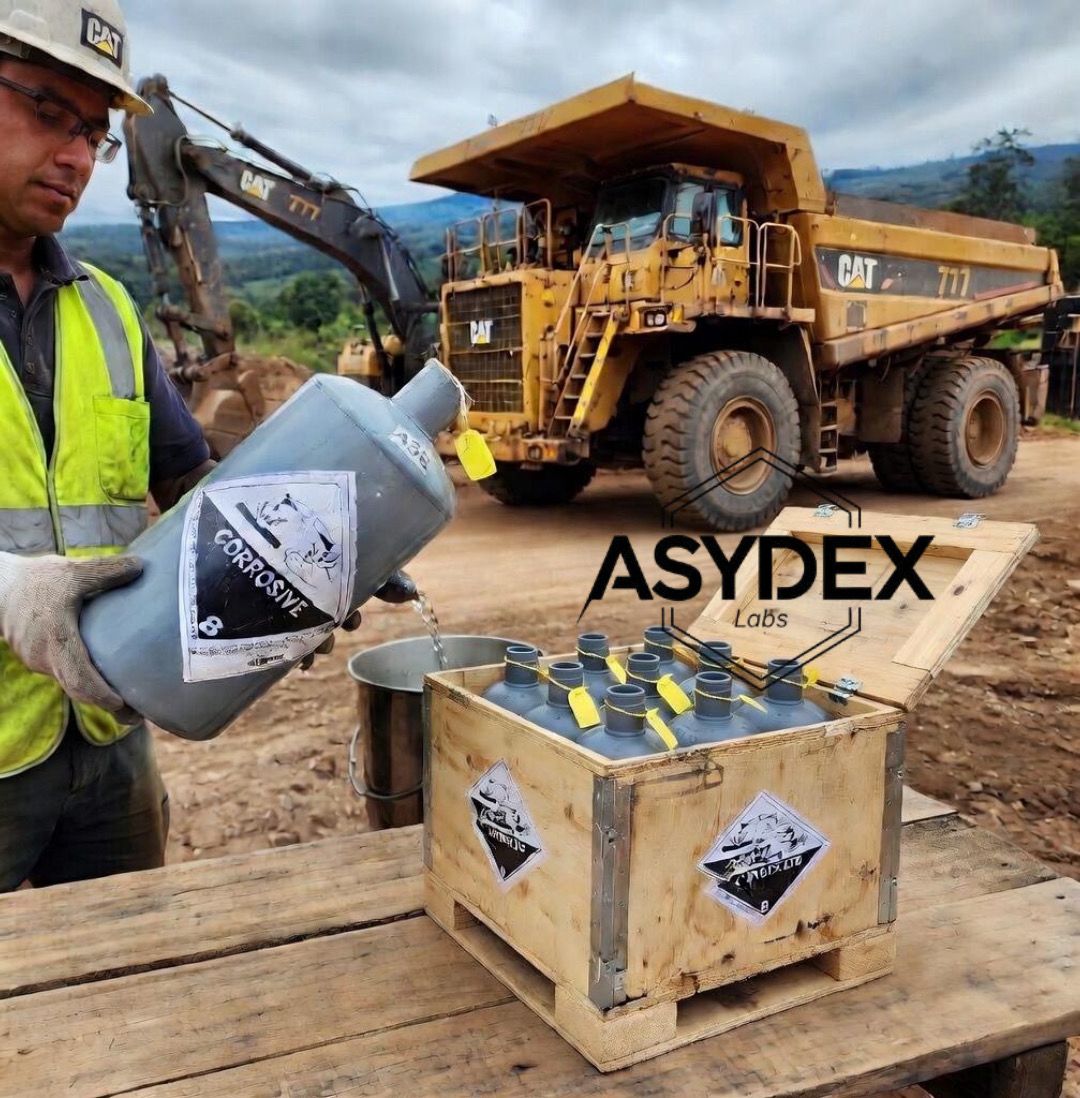
Mining operations depend on efficient mineral separation to recover valuable metals from ore. The right chemical choices can improve recovery, control unwanted minerals, and support smoother processing. Today, mining chemical solutions help operators optimize flotation, leaching, separation, and other processing stages while reducing waste and improving overall process efficiency.
Why Mining Chemicals Matter in Ore Recovery
Ore often contains valuable minerals mixed with waste rock and other unwanted materials. Physical crushing and grinding expose these minerals, but chemical treatment helps separate them more effectively.
Mining chemicals can change mineral surfaces, control slurry conditions, and improve the selectivity of separation processes. When operators choose the right chemicals for the ore type, they can improve recovery while maintaining better process control.
Key Mining Chemicals That Improve Ore Recovery
Different minerals require different chemical approaches. The most useful chemicals often fall into several groups.
1. Collectors
Collectors play a major role in froth flotation. They attach to the surface of selected minerals and make them more water-repellent. This allows the minerals to attach to air bubbles and rise to the surface for collection.
Common collector types include:
- Xanthates
- Dithiophosphates
- Thionocarbamates
- Fatty acid-based collectors
The right collector depends on the target mineral, ore chemistry, and flotation conditions.
2. Frothers
Frothers help create and maintain the bubbles needed during flotation. Stable bubbles can carry valuable mineral particles to the surface and form a manageable froth layer.
Common frother choices include alcohol-based and glycol-based products. Operators must select the right frother strength because excessive foam can reduce flotation control.
3. Depressants
Depressants help prevent unwanted minerals from floating with the valuable mineral. They improve selectivity by changing how specific mineral surfaces respond to flotation chemicals.
For example, operators may use depressants to separate minerals with similar physical properties but different chemical behavior.
4. Activators
Activators prepare specific mineral surfaces for collector attachment. They can improve flotation when the target mineral does not respond effectively to a collector under normal conditions.
This chemical group can prove especially useful when ore composition creates difficult separation conditions.
5. pH Regulators
pH has a strong influence on flotation chemistry. Lime, soda ash, and other pH regulators can adjust slurry conditions and affect mineral surface reactions.
Maintaining the correct pH can help:
- Improve collector performance
- Increase mineral selectivity
- Control unwanted reactions
- Support consistent flotation results
6. Leaching Chemicals
Some ores require chemical leaching instead of, or in addition to, flotation. Leaching chemicals dissolve selected metals from ore so operators can recover them from the resulting solution.
The chemical used depends heavily on the metal and ore characteristics. Operators must also consider environmental, safety, and waste-management requirements before selecting a leaching process.
How to Choose the Right Chemicals
Choosing chemicals based only on their general application can lead to poor recovery. Operators should first understand the ore and processing conditions.
Important factors include:
- Ore mineralogy: Identify the valuable minerals and associated waste minerals.
- Target metal: Different metals respond differently to chemical treatment.
- Particle size: Grinding changes the mineral surface available for chemical reactions.
- Water chemistry: Dissolved salts and other compounds can affect chemical performance.
- pH conditions: Many flotation chemicals work best within a specific pH range.
- Recovery target: Chemical selection should support the desired balance between recovery and concentrate quality.
Testing several options at laboratory or pilot scale can help identify the most suitable chemical combination before full-scale use.
Benefits of Effective Chemical Selection
Well-selected mining chemical solutions can support several improvements across an ore-processing operation. Better chemical control can increase valuable mineral recovery, improve concentrate quality, reduce unnecessary chemical consumption, and create more consistent processing conditions.
However, higher chemical dosage does not always mean higher recovery. Excessive use can increase operating costs and may interfere with selectivity. Careful dosage control and regular process monitoring remain important.
The Role of Process Optimization
Chemical selection works best as part of a complete recovery strategy. Operators should consider grinding, slurry density, flotation time, reagent dosage, pH, temperature, and water quality together.
Modern mining chemical solutions can support this approach by helping processors address specific ore characteristics rather than relying on a single chemical for every application.
Final Thoughts
Mining chemicals can make a significant difference in ore recovery when operators select and use them correctly. Collectors, frothers, depressants, activators, pH regulators, and leaching chemicals each serve different purposes. The best choice depends on mineralogy, processing conditions, recovery goals, and responsible chemical management.
FAQs
1. Which chemical is most important for froth flotation?
There is no single best chemical for every ore. Collectors play a central role, but frothers, depressants, activators, and pH regulators may also affect recovery.
2. Can mining chemicals increase metal recovery?
Yes. The right chemical combination can improve mineral separation and help recover more valuable material from processed ore.
3. How do collectors improve ore recovery?
Collectors make selected mineral surfaces more water-repellent, helping those particles attach to air bubbles during flotation.
4. Why does pH matter in mineral processing?
pH can affect mineral surfaces, chemical reactions, and collector performance. Maintaining the right range can improve flotation selectivity and consistency.
5. Should I use more chemicals to increase recovery?
Not necessarily. Excessive chemical dosage can increase costs and may reduce selectivity. Testing and dosage optimization usually provide better results.
6. How do I select chemicals for a specific ore?
Start with ore mineralogy, target metals, particle size, water chemistry, and processing conditions. Laboratory testing can then help identify the most effective chemical combination.

Need Industrial Chemical Supply?
AsydeX Labs supplies high-purity chemicals to mining operations worldwide. ISO 9001:2015 certified.
Request a Quote →