Modern mineral processing continues to change as mining companies seek better recovery, lower costs, and safer operations. Leaching remains an important part of extracting valuable metals from ores, but newer approaches offer practical improvements over traditional methods. From a chemical export company perspective, understanding these differences helps buyers choose suitable solutions for their processing needs.
What Is Traditional Leaching?
Traditional leaching uses chemical solutions to dissolve valuable metals from crushed or prepared ore. Depending on the ore and target metal, operators may use acidic, alkaline, or other chemical solutions.
These methods have supported mining operations for decades because they offer proven processes and familiar operating practices. However, traditional systems can require more chemical consumption, longer processing times, or tighter control of operating conditions.
Common challenges include:
- Higher reagent consumption
- Longer metal extraction cycles
- Greater sensitivity to ore characteristics
- More waste management requirements
- Higher operating costs in some applications
Traditional leaching can still work well when the ore responds effectively and the operation already has suitable infrastructure.
How Modern Leaching Differs
Modern leaching focuses on improving extraction while using resources more efficiently. Newer approaches can combine improved chemical formulations, better process control, optimized particle size, and advanced recovery techniques.
A modern system may help mining operators:
- Improve metal recovery
- Reduce unnecessary reagent use
- Shorten processing cycles
- Handle complex ore conditions
- Improve process consistency
- Support better resource efficiency
The right approach depends on the ore composition, target metal, plant design, environmental requirements, and production goals.
Why Chemical Selection Matters
The chemical solution plays a major role in leaching performance. A suitable reagent must work effectively with the target mineral while fitting the site’s processing conditions.
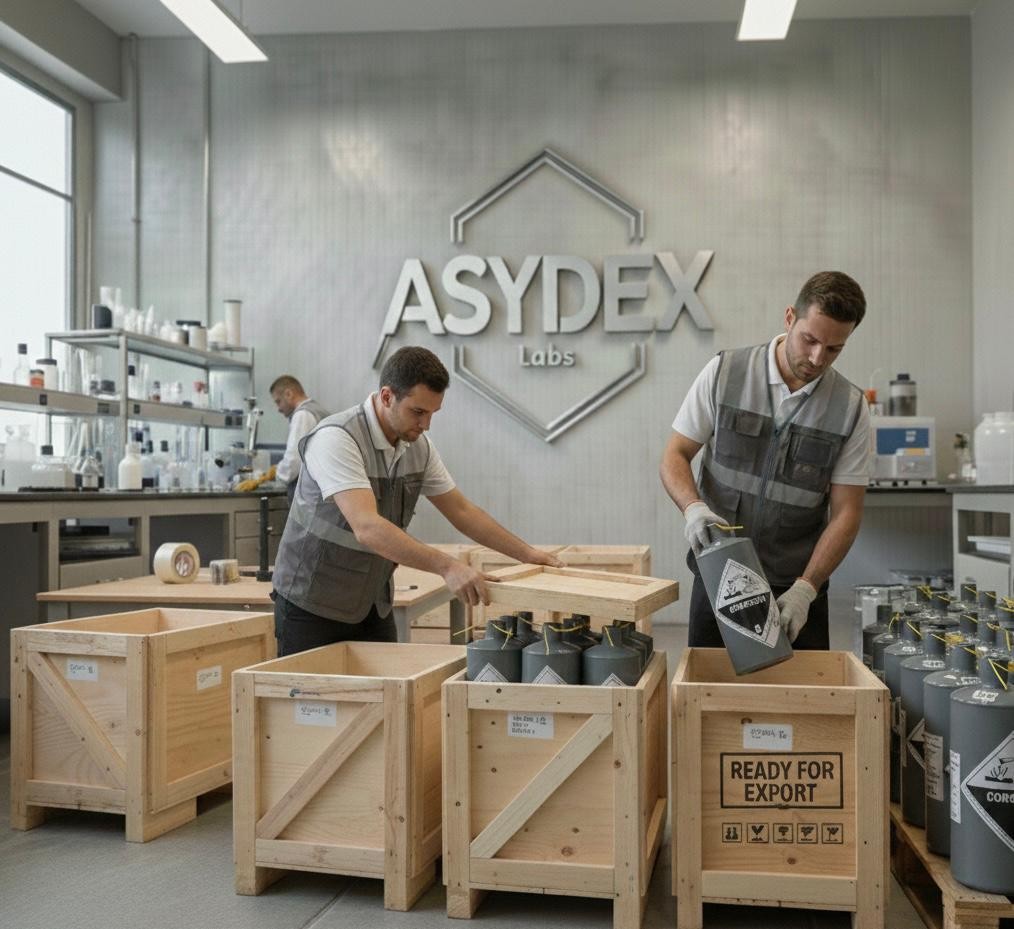
An experienced chemical export company can help buyers evaluate factors such as chemical specifications, application requirements, packaging, transportation, and storage conditions.
Exporters also need to consider international shipping requirements and destination-country regulations. Proper documentation and consistent product quality can help mining companies maintain smoother supply chains.
Modern Leaching Can Improve Efficiency
One major advantage of modern leaching is process optimization. Instead of relying only on established chemical routines, operators can adjust conditions according to ore behavior and production targets.
Better control over factors such as:
- pH levels
- Temperature
- Reagent concentration
- Contact time
- Ore particle size
- Solution flow
can help improve extraction results.
Modern monitoring systems can also provide operators with better process data. This information allows teams to identify changes quickly and make adjustments before small problems become costly production issues.
Traditional Methods Still Have Value
Modern technology does not automatically make traditional leaching obsolete. Established methods can remain practical for operations with suitable ore characteristics, existing equipment, and predictable processing requirements.
Mining companies should compare both approaches based on actual performance rather than choosing a method simply because it is newer.
Important comparison factors include:
- Recovery rate: How much valuable metal can the process extract?
- Chemical consumption: How much reagent does the process require?
- Processing time: How quickly can the operation achieve its desired recovery?
- Operating cost: What does the complete process cost?
- Environmental considerations: How can operators manage chemical use and waste?
- Scalability: Can the method support future production requirements?
The Exporter’s Perspective
From an exporter’s viewpoint, successful chemical supply involves more than delivering a product. Buyers need reliable specifications, consistent quality, suitable packaging, technical information, and dependable logistics.
A responsible chemical export company should understand that different mines have different requirements. One reagent or formulation may perform differently across ores, so buyers should assess compatibility before placing large orders.
Clear communication between suppliers and mining teams can also reduce purchasing risks. Sharing application requirements, quality specifications, handling expectations, and delivery schedules helps create a more reliable supply process.
Which Leaching Method Should You Choose?
There is no single answer for every mining operation. Traditional leaching may provide dependable results where established processes already perform well. Modern leaching may offer stronger efficiency, process control, and resource optimization when the application supports it.
The best decision should come from testing, technical evaluation, operating data, and total cost analysis. Buyers should also consider long-term supply reliability when selecting their chemical partner.
Final Thoughts
Modern leaching offers mining companies new opportunities to improve recovery, control chemical consumption, and optimize processing. Traditional methods still have an important place when they deliver reliable results at an acceptable cost. For exporters and buyers alike, the key is matching the right chemical solution and process with the specific ore and production goals.
A knowledgeable chemical export company can support this process by providing consistent products, clear specifications, and dependable supply solutions for changing mining requirements.
FAQs
1. Is modern leaching always better than traditional leaching?
Not necessarily. The better option depends on the ore, target metal, recovery goals, operating costs, and available processing equipment.
2. How can modern leaching reduce chemical consumption?
Modern systems can optimize reagent concentration, contact time, pH, and other process conditions. Better control can reduce unnecessary chemical use while maintaining extraction performance.
3. Can traditional leaching still work for complex ores?
Yes, but performance depends on the ore’s mineral composition. Some complex ores may require modified processes or additional treatment to achieve suitable recovery.
4. What should I ask a chemical supplier before ordering leaching chemicals?
Ask about product specifications, purity, recommended applications, packaging, storage requirements, safety information, minimum order quantities, and export documentation.
5. Does ore testing matter before selecting a leaching chemical?
Yes. Ore testing can help determine how the material responds to a particular chemical system and can reduce the risk of choosing an unsuitable reagent.
6. How can I choose the right chemical exporter for mining requirements?
Look for consistent product quality, clear technical information, reliable logistics, proper documentation, and experience supplying chemicals for your specific mining application.

Need Industrial Chemical Supply?
AsydeX Labs supplies high-purity chemicals to mining operations worldwide. ISO 9001:2015 certified.
Request a Quote →