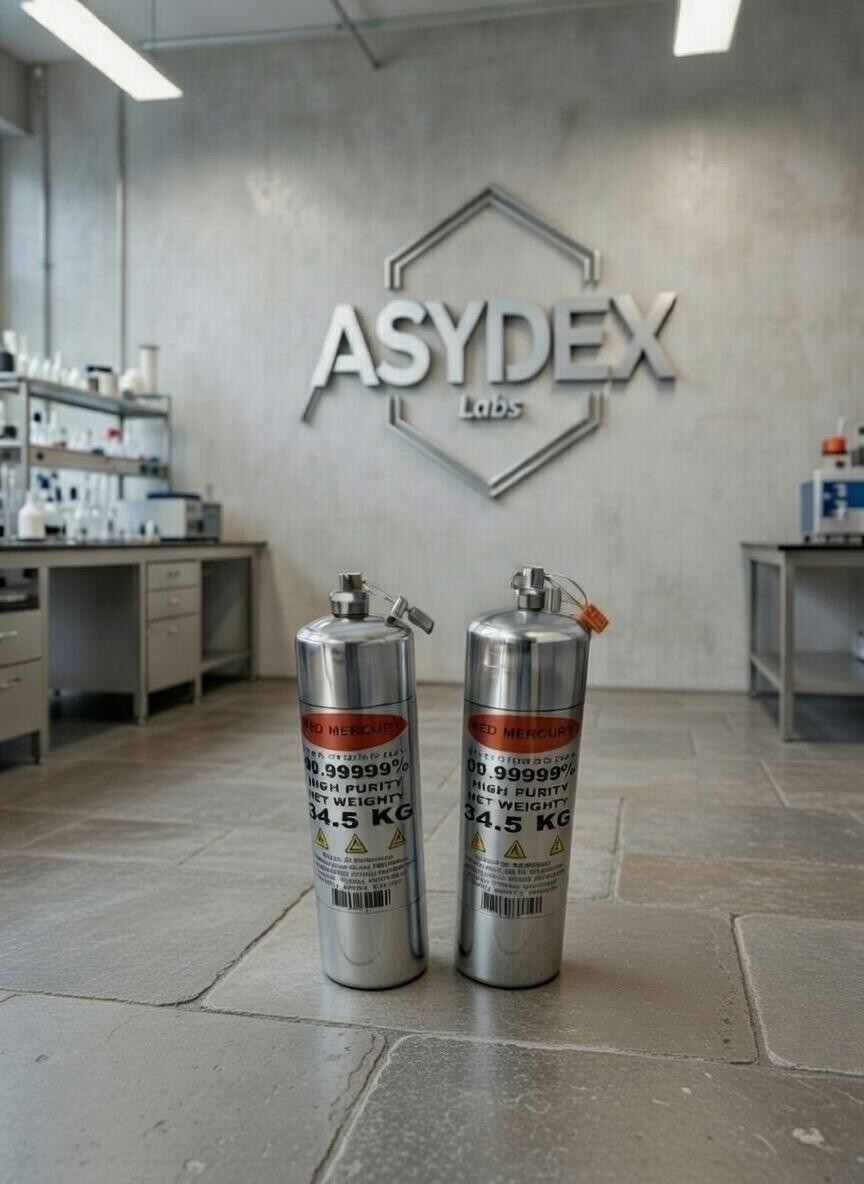
Cinnabar and “red mercury” often appear together online, but they do not represent the same scientific concept. For buyers researching an industrial red mercury supplier, understanding this distinction is essential. Cinnabar is a recognized mineral with a defined composition: mercury(II) sulphide, or HgS. “Red mercury,” however, often describes an alleged material without a verified chemical identity. This difference helps buyers separate established chemistry from unsupported claims.
What Is Cinnabar?
Cinnabar is the naturally occurring red form of mercury(II) sulphide (HgS). It forms in mineral deposits and serves as the principal ore of mercury. The U.S. Environmental Protection Agency identifies HgS as cinnabar and notes that mercury(II) sulphide contains about 86% mercury by weight.
Key facts include:
- Formula: HgS
- Appearance: Red to scarlet solid
- Mineral forms: Red HgS occurs as cinnabar; black HgS occurs as metacinnabar.
- Heat response: Strong heating can release mercury vapor.
What Does “Red Mercury” Mean?
“Red mercury” creates confusion because the term appears in rumors, questionable sales claims, and stories about an unusual mercury compound. Scientific references do not establish one unique, commercially recognized substance called “red mercury” with the extraordinary properties often claimed online.
Industrial buyers should rely on a chemical name, formula, CAS number, purity data, and technical documents.
Cinnabar vs. Red Mercury: Key Differences
Cinnabar:
- Has a recognized mineral identity.
- Contains mercury(II) sulphide, HgS.
- Has established physical and chemical properties.
- Occurs naturally.
Red mercury:
- Has no single universally accepted chemical identity.
- May describe different materials.
- Requires verification before purchase.
For anyone searching for an industrial red mercury supplier, this distinction matters. A credible supplier should identify the actual chemical material instead of relying on an unclear product name.
How Industry Should Verify Mercury Materials
Before purchasing mercury-containing material, buyers should request:
- Exact chemical name and formula.
- CAS number and product specification.
- Certificate of Analysis from a credible laboratory.
- Purity and impurity information.
- Safety Data Sheet (SDS).
- Packaging, transport, storage, and regulatory information.
Two sellers may use the same phrase for different materials. A reliable mercury supplier should explain the material’s identity, application, and regulatory status.
Safety and Regulatory Considerations
Cinnabar contains mercury, so its red color does not make it harmless. EPA information notes that mercury presents exposure risks, while heating mercury sulphide can release mercury vapor. Facilities should use suitable controls when handling mercury-containing materials and follow all applicable safety procedures.
Regulations vary by country and application. Businesses should verify local requirements before any transaction.
Why Chemical Proof Matters
Online listings can make “red mercury” sound like a rare or advanced industrial chemical. That description alone proves nothing. Laboratories can test measurable chemical properties and establish material identity.
If a listing cannot provide basic technical evidence, treat the claim cautiously. A trustworthy industrial red mercury supplier should communicate in precise chemical terms and provide documentation supporting the product description.
Final Thoughts
Cinnabar has a clear scientific identity as mercury(II) sulphide, while “red mercury” remains a broad and often misleading label. The lesson is simple: verify chemistry before evaluating a product. Check the formula, CAS number, analytical results, safety documentation, and regulations. Evidence should guide purchasing decisions, not sensational claims.
FAQs
1. Is cinnabar the same as red mercury?
No. Cinnabar is a defined mineral made primarily of mercury(II) sulphide, HgS. “Red mercury” has no single accepted scientific identity.
2. What is the chemical formula of cinnabar?
Cinnabar has the chemical formula HgS, representing mercury(II) sulphide.
3. Does red mercury exist as a verified industrial chemical?
There is no broadly accepted scientific identity for the extraordinary material often described online. Request analytical proof before accepting such a claim.
4. How can I verify a mercury-containing chemical?
Ask for the chemical name, formula, CAS number, Certificate of Analysis, SDS, purity data, and test results.
5. Is cinnabar safe to handle?
Cinnabar contains mercury and requires appropriate precautions. Heating mercury sulphide can release mercury vapor.
6. What should I ask an industrial red mercury supplier?
Ask for the exact material identity, specifications, purity, analytical documentation, SDS, intended use, and regulatory information. A supplier should answer these questions clearly and consistently.

Need Industrial Chemical Supply?
AsydeX Labs supplies high-purity chemicals to mining operations worldwide. ISO 9001:2015 certified.
Request a Quote →