Gold mining requires careful planning, the right equipment, and a clear understanding of chemical risks. Before researching where to buy silver mercury for gold mining operations, miners should understand the substance’s properties, legal restrictions, health risks, and environmental impact. Making informed decisions helps mining businesses protect workers, follow local laws, and choose safer methods for gold recovery.
What Is Mercury, and Why Has Mining Used It?
Mercury is a naturally occurring metal that remains liquid at room temperature. Historically, some gold miners have used mercury to form an amalgam with gold particles. They then separate the amalgam from other materials and apply heat to recover the gold.
However, this process creates serious risks. Mercury can release toxic vapors, especially when miners heat the amalgam. These vapors can harm the nervous system, kidneys, and other organs.
Modern mining operations should assess safer gold recovery methods before considering mercury-based processes. Gravity separation, shaking tables, and other suitable technologies may help recover gold without exposing workers to mercury.
1. Understand the Different Mercury Terms
Buyers may encounter different product names while researching mining chemicals. Understanding these terms helps prevent confusion and misleading purchases.
- Elemental mercury: A silvery liquid metal with significant health and environmental risks.
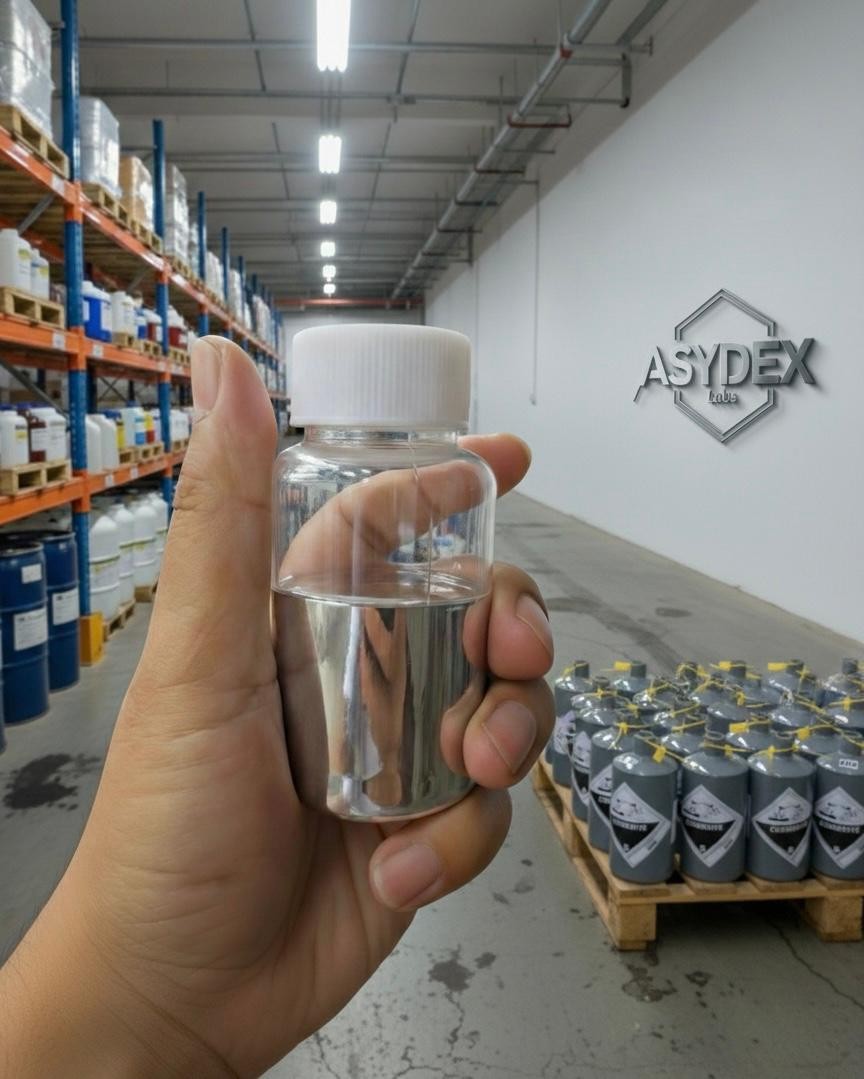
- Silver mercury: A common descriptive term for elemental mercury because of its silver-like appearance. The name does not automatically indicate a different chemical.
- Red mercury: A term associated with misleading claims and products that may not have a verified chemical identity. It is not a standard, scientifically established gold recovery chemical.
Always verify a product’s chemical identity through reliable documentation. Do not rely on a seller’s marketing language, color descriptions, or claims of unusually high gold recovery.
2. Check Legal Requirements Before Purchasing
Mercury trade and use face strict controls in many countries. The Minamata Convention on Mercury aims to protect human health and the environment from mercury pollution. It includes measures that address mercury supply, trade, and certain gold mining practices.
Before purchasing any mercury-containing chemical, mining businesses should confirm the rules that apply to their location and intended use.
Important checks include:
- Whether the proposed use is legally permitted.
- Whether the supplier holds the required licenses or authorizations.
- Whether import, export, transport, and storage rules apply.
- Whether environmental permits or hazardous-material procedures are necessary.
- Whether the operation must follow specific reporting or disposal requirements.
Never assume that a product is legal simply because a supplier advertises it online. Consult the relevant environmental authority, mining regulator, or hazardous-materials agency before making a purchasing decision.
3. Verify Supplier Credentials and Product Documentation
Supplier checks matter when evaluating any industrial chemical. A professional-looking website does not prove that a seller is trustworthy or that a product meets the required standards.
Instead of choosing a seller based only on price, review the available documentation and verify its authenticity.
Look for:
- Safety Data Sheet (SDS): Explains hazards, handling precautions, storage needs, and emergency measures.
- Certificate of Analysis (CoA): Provides test results for the stated product and batch.
- Chemical identification: Confirms the substance’s identity and relevant specifications.
- Business credentials: Helps establish whether the supplier operates lawfully.
- Transport documentation: Identifies applicable requirements for regulated hazardous materials.
If documentation is missing, inconsistent, or difficult to verify, treat that as a warning sign. Avoid products with unsupported purity claims or unclear chemical descriptions.
4. Recognize the Health and Environmental Risks
Mercury exposure can cause serious harm. People may inhale mercury vapor, while contaminated soil, water, and food can create additional exposure risks.
Mining sites also face environmental challenges because mercury can persist and move through ecosystems. Microorganisms can convert some mercury into methylmercury, a toxic form that can accumulate in fish and other organisms.
Miners should understand these risks before approving any chemical purchase.
Key precautions include:
- Never heat mercury or mercury amalgams in open or poorly controlled areas.
- Keep mercury away from drains, soil, waterways, and food preparation areas.
- Follow applicable hazardous-material handling and storage requirements.
- Train workers to recognize exposure risks and respond to spills.
- Use qualified environmental and occupational safety professionals to assess the site.
Ordinary masks and household ventilation do not provide reliable protection against mercury vapor. A qualified safety professional should determine suitable controls and protective equipment for any legally permitted activity.
5. Compare Safer Gold Recovery Options
Before deciding where to buy silver mercury for gold mining operations, assess whether the mining process can avoid mercury altogether. The best method depends on the ore, particle size, gold distribution, production scale, and site conditions.
Potential alternatives include:
- Gravity separation: Uses differences in mineral density to separate gold from other materials.
- Shaking tables: Concentrate suitable mineral particles through controlled movement and water flow.
- Centrifugal concentrators: Use centrifugal force to recover fine gold particles from suitable feed material.
- Professional mineral testing: Helps identify an appropriate recovery process before a full-scale investment.
No single method works for every ore type. A qualified metallurgist or mineral-processing specialist can assess samples and recommend an approach that balances recovery, cost, safety, and environmental compliance.
6. Evaluate the Full Cost of Chemical Use
The purchase price rarely reflects the full cost of a hazardous chemical. Businesses must also consider compliance, worker training, monitoring, storage, transportation, emergency planning, and waste management.
A low advertised price may create greater expenses if the product lacks proper documentation or violates local rules.
Before approving a purchase, compare the total operating cost of the proposed process with suitable mercury-free alternatives. This approach helps mining businesses make better long-term decisions and reduce avoidable risks.
Final Thoughts
Buying mining chemicals requires more than comparing prices. Gold miners should verify product identity, review supplier credentials, understand legal requirements, and assess health and environmental risks before making decisions. Anyone researching where to buy silver mercury for gold mining operations should first confirm whether the intended use is lawful and necessary.
Whenever practical, miners should evaluate mercury-free recovery methods with qualified professionals. Safer processes, reliable documentation, and responsible environmental practices can help protect workers, communities, and mining operations.
FAQs
1. What should gold miners check before buying mercury?
Gold miners should verify the chemical identity, supplier credentials, Safety Data Sheet, applicable legal requirements, and environmental risks. They should also assess whether a safer gold recovery method can meet their processing needs.
2. Is silver mercury different from regular mercury?
The term “silver mercury” often describes elemental mercury because of its silvery appearance. Buyers should check the chemical identity and documentation rather than assume the name refers to a separate substance.
3. Is mercury legal for gold mining?
Mercury rules vary by country and intended use. International agreements and national laws restrict certain mercury activities, including aspects of artisanal and small-scale gold mining. Miners should consult the relevant authorities before purchasing or using it.
4. What are the main dangers of mercury in gold mining?
Mercury can release toxic vapor and contaminate soil and water. Exposure may damage the nervous system and kidneys. Environmental contamination can also affect wildlife and people who depend on contaminated food sources.
5. What alternatives can gold miners use instead of mercury?
Depending on the ore, alternatives may include gravity separation, shaking tables, centrifugal concentrators, and other professionally designed mineral-processing methods. Ore testing helps determine which option offers suitable recovery and operating costs.

Need Industrial Chemical Supply?
AsydeX Labs supplies high-purity chemicals to mining operations worldwide. ISO 9001:2015 certified.
Request a Quote →