
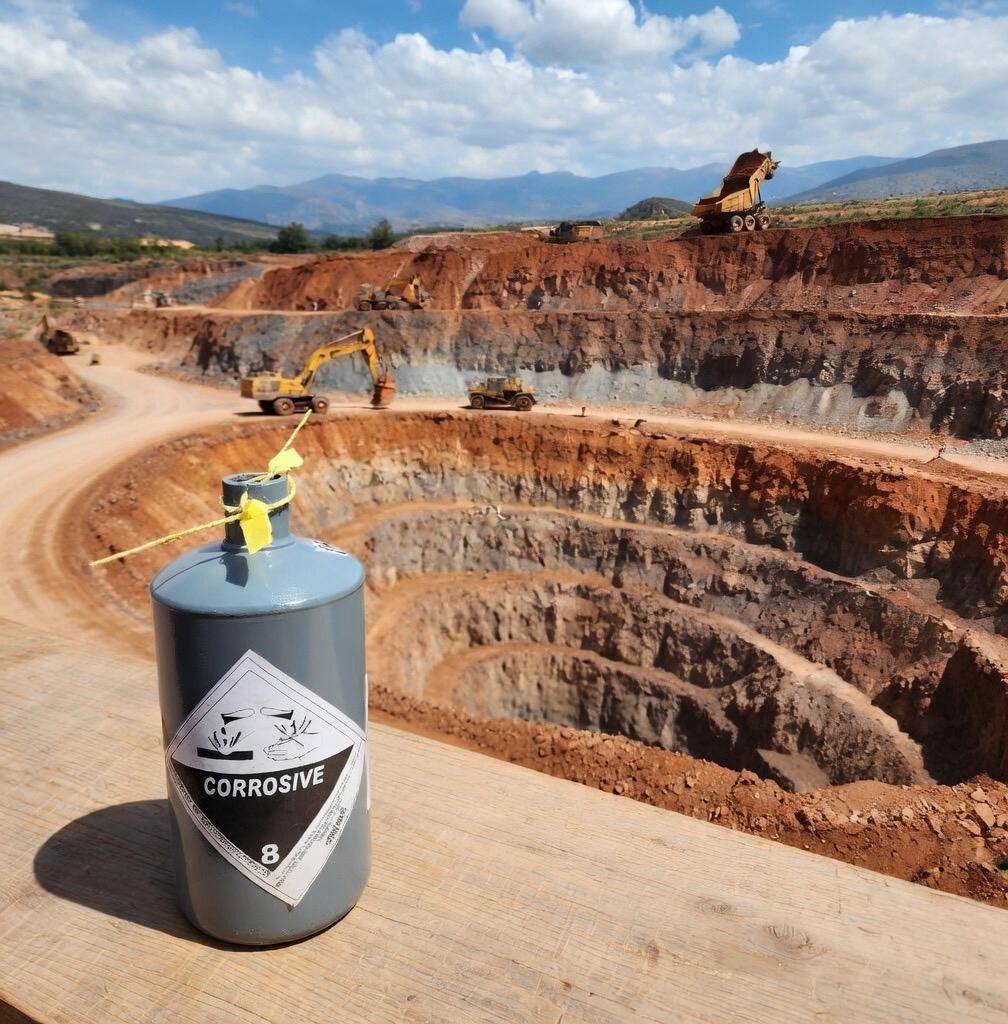
Gold mining requires careful planning, skilled workers, and strong safety measures. Chemical exposure can harm workers, damage equipment, and affect nearby communities. Understanding the chemicals used in gold mining process helps mining teams recognize hazards and protect people. From toxic fumes to dangerous spills, every chemical needs proper handling, storage, and safety controls.
Why Chemical Safety Matters in Gold Mining
Gold extraction may involve chemicals such as cyanide, mercury, acids, and flotation agents. Each chemical creates different risks.
Mining companies should focus on:
- Worker safety and training
- Proper chemical storage
- Safe handling procedures
- Environmental protection
- Emergency response plans
Here are five major safety risks that mining teams should understand.
1. Mercury Exposure
Mercury can create serious health risks during gold extraction. Some small-scale mining operations use mercury to collect gold. However, mercury vapor can damage the nervous system, kidneys, and lungs.
Workers may face exposure when they handle mercury or work near mercury vapor.
Safety measures:
- Avoid direct contact with mercury.
- Use approved protective equipment.
- Keep mercury away from living areas.
- Follow local rules for mercury handling and disposal.
Terms such as silver mercury may refer to metallic mercury, but suppliers should provide clear chemical identification. Never rely on a product name alone.
2. Cyanide Poisoning
Some gold mining operations use cyanide to recover gold from ore. Cyanide can cause severe poisoning if workers inhale, swallow, or absorb dangerous amounts.
Even a small mistake can create a serious emergency.
Mining teams should:
- Train workers in cyanide safety.
- Use approved handling procedures.
- Maintain suitable ventilation.
- Keep emergency equipment ready.
- Follow approved spill response plans.
Workers should never mix cyanide with acids because the reaction can release highly toxic hydrogen cyanide gas.
3. Chemical Burns From Acids
Mining operations may use acids for mineral processing, equipment cleaning, or other industrial tasks. Strong acids can burn skin and eyes. They may also release harmful fumes.
Workers should use chemical-resistant gloves, eye protection, and suitable protective clothing.
Safe handling also requires proper storage, clear labels, and access to emergency eyewash and shower systems.
Never mix chemicals without an approved procedure. A trained safety professional should assess chemical compatibility before workers handle different substances.
4. Harmful Dust and Chemical Fumes
Mining activities can release dust, fumes, and airborne chemical particles. Workers may inhale these substances during ore handling, crushing, processing, or chemical work.
Long-term exposure can affect breathing and overall health.
Mining companies can reduce these risks through:
- Effective ventilation
- Dust-control systems
- Regular air monitoring
- Suitable respiratory protection
- Worker health checks
Teams should investigate unusual odors, visible dust, or ventilation problems immediately.
5. Chemical Spills and Poor Storage
Improper storage can cause leaks, fires, chemical reactions, and environmental damage.
Mining facilities should separate incompatible chemicals and use suitable containers. Workers should also inspect storage areas regularly.
A safe storage plan includes:
- Clear chemical labels
- Secure storage areas
- Spill containment systems
- Access to safety data sheets
- Trained emergency response teams
Red mercury sometimes appears in unverified chemical sales claims. It does not represent a standard, recognized gold-processing reagent. Mining companies should verify chemical identity and safety documentation before accepting any unfamiliar product.
Final Thoughts
Chemical safety plays a major role in responsible gold mining. Mercury exposure, cyanide poisoning, acid burns, harmful fumes, and chemical spills can create serious risks.
Understanding the chemicals used in gold mining process helps mining teams identify hazards and improve safety practices. Companies should verify chemical products, train workers, and follow approved safety procedures.
Reliable chemical information also helps buyers assess suppliers and avoid unverified products, including misleading red mercury claims.
FAQs
1. What chemicals do gold mining operations use?
Gold mining operations may use cyanide, mercury, acids, and flotation chemicals. The exact chemicals depend on the ore, processing method, and environmental requirements.
2. Why is mercury dangerous in gold mining?
Mercury can release toxic vapor that harms the nervous system, kidneys, and lungs. Workers need proper controls to prevent exposure.
3. What are the main risks of cyanide in gold mining?
Cyanide can cause severe poisoning through inhalation, swallowing, or exposure. Workers must follow strict handling and emergency procedures.
4. Is red mercury a standard chemical used in gold mining?
No. Red mercury does not represent a standard, recognized gold-processing reagent. Buyers should verify chemical identity and safety documentation before purchasing unfamiliar products.
5. How can mining companies improve chemical safety?
Mining companies can improve safety through worker training, proper storage, ventilation, protective equipment, chemical labeling, and emergency response planning.

Need Industrial Chemical Supply?
AsydeX Labs supplies high-purity chemicals to mining operations worldwide. ISO 9001:2015 certified.
Request a Quote →