Not every supplier who says “we’ve got mercury” should get your purchase order, and finding out the hard way can cost more than money. For procurement teams and industrial buyers, working with a reliable bulk liquid mercury supplier means weighing far more than price per kilogram. This guide breaks down exactly what separates a trustworthy supplier from a risky one, so keep reading before you sign anything.
Why Evaluating a Bulk Liquid Mercury Supplier Matters So Much
Mercury isn’t like ordering office supplies. It’s a tightly regulated, hazardous material where one wrong shipment can trigger compliance violations, safety incidents, or product recalls. Getting supplier evaluation right protects the business, the workforce, and the end product.
1. The Real Cost of Choosing Poorly
A cheap quote can look tempting until contamination, mislabeled documentation, or missed certifications show up during an audit. Businesses that skip proper vetting often pay far more later in fines, delays, or damaged industrial equipment than they saved upfront.
2. What “Industrial Mercury Supplier” Actually Means
This term refers to a vendor that sources, handles, and distributes mercury for approved industrial applications such as measuring instruments, laboratory use, or specialized manufacturing, always under strict regulatory frameworks like the Minamata Convention.
Regulatory Compliance: The Non-Negotiable Checkpoint
Before anything else, buyers need to confirm a supplier operates within the law. This single factor eliminates most unreliable options right away.
1. Understanding the Minamata Convention’s Role
This international treaty restricts mercury trade and use to protect human health and the environment. A credible supplier will openly reference compliance with it and provide documentation proving their sourcing and distribution methods align with these global standards.
2. Licensing and Documentation Checks That Matter
Every legitimate supplier should provide export licenses, safety data sheets, and chain-of-custody records without hesitation. If a vendor is vague or slow to share this paperwork, that’s a signal to pause and look elsewhere.
Quality Assurance and Purity Standards Buyers Should Demand
Industrial applications often require specific purity grades. Getting this wrong can compromise entire production runs or lab results.
- Certificate of analysis confirming purity percentage and contaminant levels
- Batch testing records showing consistency across shipments
- Third-party lab verification for high-precision industrial or scientific use
- Proper sealed containment preventing evaporation or contamination during transit
1. Why Purity Percentages Aren’t Just Numbers on Paper
A 99.99% purity claim means little without verified testing behind it. Buyers should request recent lab results, not outdated certificates, since mercury quality can shift depending on storage conditions and handling practices over time.
Logistics, Handling, and Safety Protocols That Separate Serious Suppliers
Mercury demands careful handling from the moment it leaves the source to the moment it reaches your facility. Suppliers who cut corners here create liability for everyone downstream.
1. Packaging Standards Built for Hazardous Transport
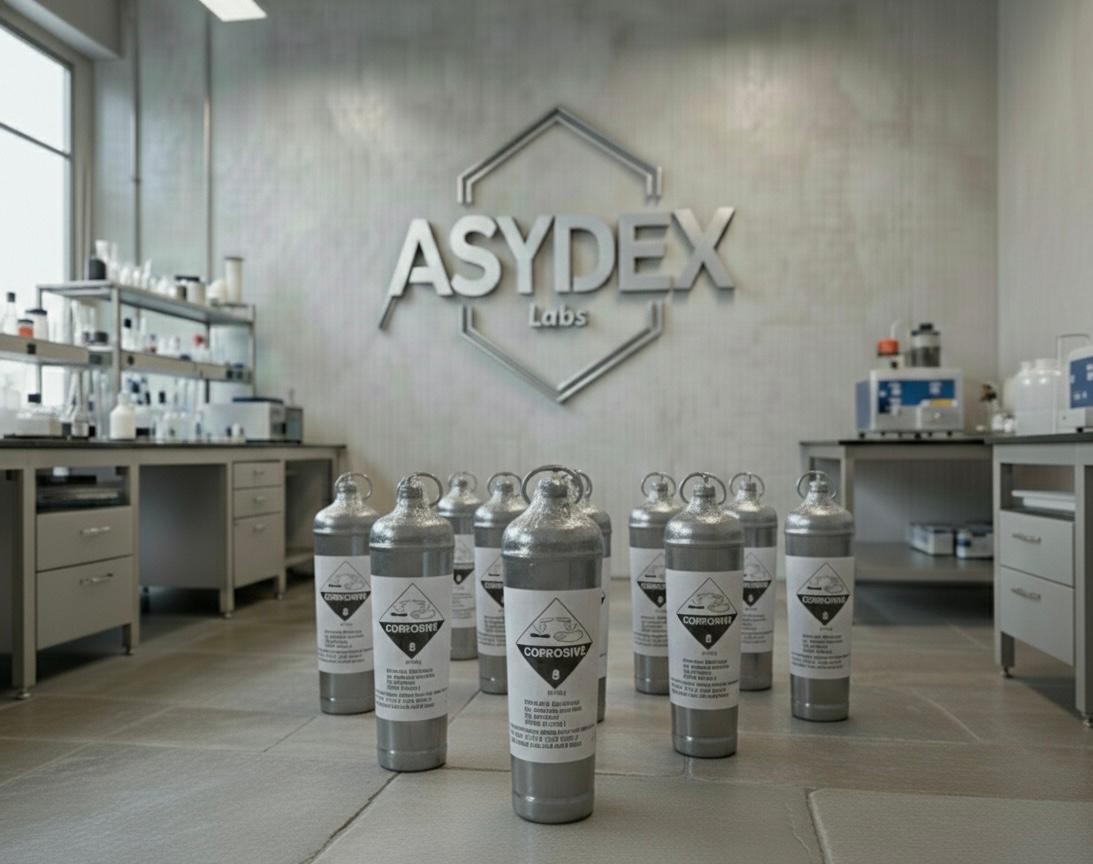
Look for suppliers using UN-approved containers designed specifically for mercury transport. Proper packaging prevents leaks, controls pressure changes, and meets international shipping regulations, reducing risk during every stage of the delivery process.
2. Emergency Response Readiness as a Supplier Benchmark
Ask suppliers directly how they handle spill response, employee training, and incident reporting. A supplier confident in its safety protocols will answer without hesitation, while one lacking clear procedure raises immediate red flags for any buyer.
Reputation, Track Record, and Long-Term Reliability
Numbers on a spec sheet only tell part of the story. How a supplier performs over time reveals whether they’re worth building a long-term relationship with.
1. Reading Between the Lines of Supplier History
Check how long a supplier has operated, who their existing industrial clients are, and whether they’ve faced any regulatory penalties. A clean, consistent track record often says more than any sales pitch ever could.
2. Communication and Support After the Sale
Reliable suppliers stay responsive after the transaction closes, helping with documentation requests, shipment tracking, or unexpected issues. If support disappears once payment clears, that’s rarely a supplier worth depending on for future orders.
Final Words
Choosing the right partner isn’t about finding the cheapest quote, it’s about finding a bulk liquid mercury supplier who treats compliance, purity, and safety as fundamentals, not afterthoughts. Businesses that evaluate suppliers carefully protect their operations, their people, and their reputation, turning a high-risk purchase into a dependable, long-term supply relationship.
FAQs
1. What’s the biggest red flag when vetting a mercury supplier?
Reluctance to share licensing documents or safety data sheets is the clearest warning sign, suggesting the supplier may not be operating within recognized regulatory or safety frameworks.
2. How often should purity certificates be updated for ongoing orders?
Ideally with every batch or shipment, since mercury purity can shift due to storage conditions, making outdated certificates unreliable for verifying current product quality.
3. Why does the Minamata Convention matter for private industrial buyers?
It sets the legal boundaries suppliers must operate within, meaning compliant sourcing protects buyers from unknowingly participating in illegal or environmentally harmful mercury trade practices.
4. Can a smaller supplier be as reliable as a larger established one?
Yes, size doesn’t guarantee reliability. What matters most is verified documentation, consistent quality testing, and transparent safety practices, regardless of company scale.
5. What role does packaging play in supplier evaluation?
Packaging prevents leaks, evaporation, and contamination during transport, making UN-approved containment methods a critical indicator of how seriously a supplier takes safety and regulatory compliance.

Need Industrial Chemical Supply?
AsydeX Labs supplies high-purity chemicals to mining operations worldwide. ISO 9001:2015 certified.
Request a Quote →