Selecting a supplier for mercury used in mining requires more than checking product quality or price. Mercury can create serious health and environmental risks when people handle, store, transport, or dispose of it incorrectly. Before working with any mining mercury supplier, mining operators should verify legal compliance, safety practices, product documentation, and responsible handling procedures.
Why Supplier Selection Matters
Mercury requires strict controls because exposure can harm people and contaminate air, soil, and water. Mining operations should therefore treat supplier evaluation as part of their wider health, safety, environmental, and compliance program.
A supplier should provide clear information about the material and support safe handling. Avoid companies that make unclear claims, hide product information, or cannot explain their compliance practices.
Responsible evaluation should focus on:
- Legal authorization and regulatory compliance
- Product identity and quality documentation
- Safety data and handling information
- Packaging and labeling standards
- Transport requirements
- Environmental responsibilities
- Traceability and business records
- Clear communication and documentation
Check Applicable Laws Before Working With a Supplier
Mercury trade and use can face strict controls in many countries and regions. Rules may cover import, export, sale, storage, transport, use, reporting, and disposal.
Start by identifying the regulations that apply to your operation and location. Check requirements from relevant environmental, mining, customs, workplace safety, and hazardous-material authorities.
Do not assume that a supplier’s statement about legality covers your responsibilities. Your company may still need permits, approvals, records, or other controls.
International operations also require special attention because mercury falls under international environmental controls, including the Minamata Convention on Mercury.
Verify the Supplier’s Business Credentials
Before entering a commercial relationship, confirm that the supplier operates as a legitimate business and can provide appropriate compliance documents.
Look for consistent company information across contracts, invoices, product documents, and regulatory records. Ask for documentation that supports the supplier’s legal ability to conduct the relevant transaction.
Warning signs may include:
- No verifiable business identity
- Missing regulatory information
- Unclear product origin
- Pressure to avoid written records
- Requests for unusual payment arrangements
- Claims that safety documents are unnecessary
- Inconsistent product descriptions
A credible mercury supplier should communicate clearly and provide appropriate documentation for legitimate business and regulatory review.
Request Product and Safety Documentation
Technical documents help your safety and compliance teams understand what they are dealing with. Ask for current documentation that identifies the material and explains its hazards.
Depending on the jurisdiction and transaction, relevant documents may include a Safety Data Sheet (SDS), product specifications, certificates of analysis, labeling information, and transport documentation.
Review the documents carefully. Check whether the product description, chemical identity, packaging details, and supplier information remain consistent.
Do not rely only on a website description or sales message when making a safety decision.
Review Packaging and Labeling Practices
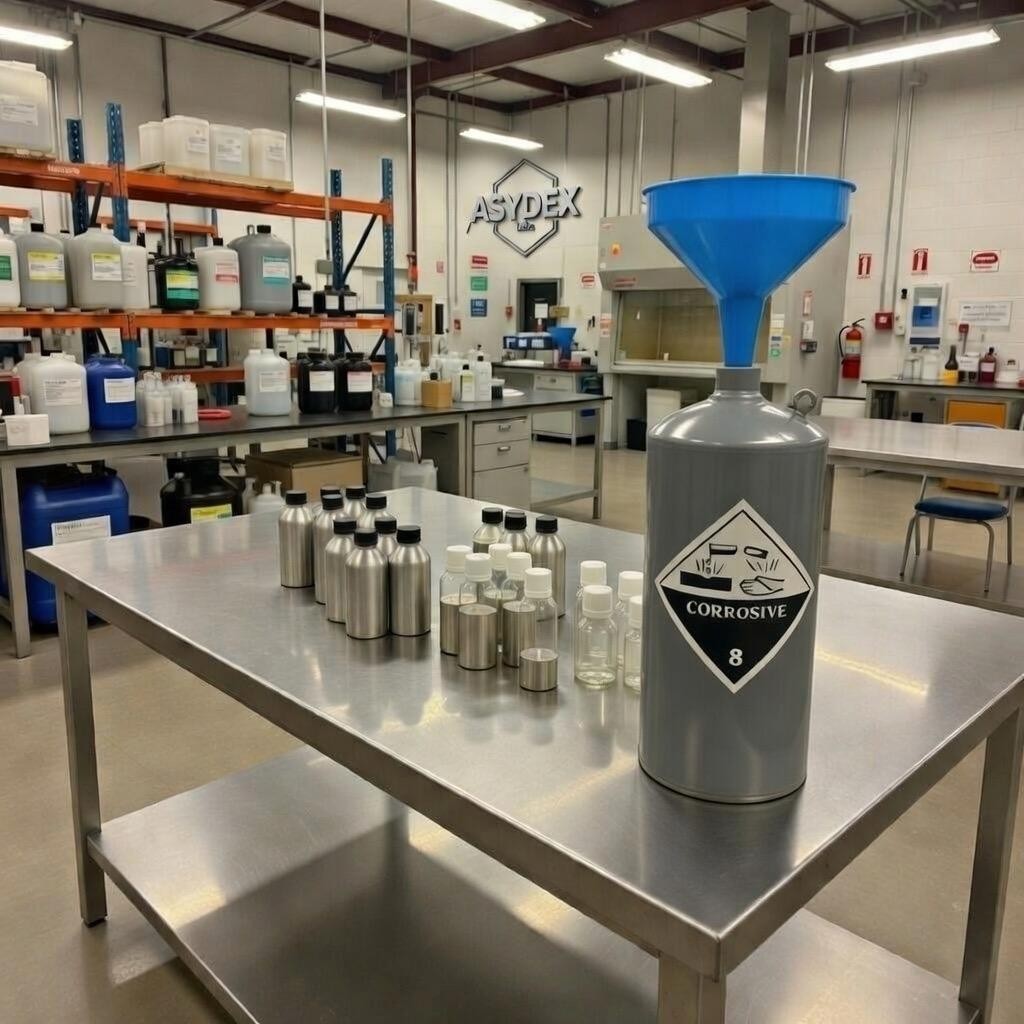
Mercury requires careful containment because spills and vapor exposure can create serious hazards. Proper packaging and labeling play an important role in reducing risks during handling and transportation.
Your safety team should confirm that packaging meets the requirements that apply to the material, transport method, and destination.
Good documentation should clearly identify relevant hazards and handling requirements. Never accept damaged, leaking, poorly labeled, or inadequately documented hazardous material.
Consider the Full Environmental Impact
Supplier selection should also consider what happens before, during, and after the material reaches your operation.
Mining companies should understand their responsibilities for storage, use, spill response, waste management, and disposal. Environmental controls should prevent mercury from entering drains, waterways, soil, or uncontrolled waste streams.
Ask whether the supplier can provide clear compliance information about the material’s origin and required handling. Keep appropriate records so your organization can demonstrate responsible management.
Compare Suppliers on Compliance, Not Just Price
Price should never become the main factor when evaluating hazardous materials. A lower quoted price may not represent a lower overall cost if the supplier creates regulatory, safety, environmental, or documentation problems.
Create a supplier review checklist and compare candidates against the same criteria.
Consider these factors:
- Regulatory standing: Can the supplier demonstrate compliance?
- Documentation: Are safety and product records complete?
- Traceability: Can the business provide appropriate transaction records?
- Safety support: Does the supplier communicate handling requirements clearly?
- Packaging: Does the proposed packaging meet applicable rules?
- Environmental controls: Does the supplier recognize mercury-related environmental responsibilities?
- Transparency: Does the supplier answer compliance questions directly?
This approach helps purchasing teams make decisions based on risk rather than price alone.
Build an Internal Mercury Safety Plan
Supplier evaluation should connect with your own workplace safety program. Before any legitimate use, make sure trained personnel understand the hazards and follow applicable regulations.
Your organization should establish procedures for:
- Safe storage
- Restricted access
- Spill response
- Personal exposure controls
- Workplace monitoring where required
- Emergency communication
- Waste handling
- Record keeping
- Regulatory reporting
Never allow untrained workers to handle mercury or manage a mercury-related spill. Use qualified safety and environmental professionals when the situation requires specialist support.
Red Flags to Take Seriously
Some warning signs should stop a supplier review until your compliance team investigates further.
Be cautious when a company:
- Avoids providing safety documentation
- Promises unrestricted international shipment
- Encourages buyers to bypass regulations
- Cannot explain the product’s legal status
- Offers unclear or inconsistent product information
- Refuses to provide formal business records
- Minimizes mercury’s health or environmental risks
A professional mining mercury supplier should support lawful transactions and responsible handling rather than encourage shortcuts.
Final Thoughts
Choosing a mercury supplier safely starts with compliance, documentation, transparency, and risk management. Mining companies should verify applicable laws, review supplier credentials, examine safety documents, assess packaging and environmental controls, and involve qualified safety professionals before handling mercury.
The right evaluation process protects workers, reduces environmental risk, and helps organizations meet their legal responsibilities. For any proposed mercury transaction, confirm current requirements with the relevant authorities and qualified compliance professionals before proceeding.
FAQs
1. What should I check before choosing a mining mercury supplier?
Check the supplier’s legal status, regulatory compliance, product documentation, safety information, packaging practices, traceability, and environmental controls. Your organization should also confirm that the proposed use and transaction comply with applicable laws.
2. Why does mercury require strict supplier checks?
Mercury can harm human health and the environment through exposure and improper handling. Strict supplier checks help organizations identify regulatory, workplace safety, transportation, storage, and environmental risks before they become problems.
3. What documents should a mercury supplier provide?
Depending on the jurisdiction and transaction, relevant documents may include a Safety Data Sheet, product specifications, certificates of analysis, labeling information, and transportation or regulatory documents. Requirements can vary, so confirm them with the relevant authorities.
4. Is mercury legal to use in mining?
Mercury use in mining depends on the country, type of mining activity, and applicable environmental and mining regulations. Some jurisdictions restrict or prohibit certain uses. Always verify current requirements with the relevant regulatory authorities before use.
5. How can a mining company handle mercury safely?
Mining companies should follow applicable regulations, restrict access, train authorized personnel, use suitable containment and protective controls, prepare spill procedures, maintain required records, and manage waste through approved processes. Qualified safety professionals can provide site-specific guidance.

Need Industrial Chemical Supply?
AsydeX Labs supplies high-purity chemicals to mining operations worldwide. ISO 9001:2015 certified.
Request a Quote →