A single bad shipment can stall an entire gold circuit. Recovery drops, crews wait, and costs climb while everyone searches for the cause. Chemicals sit at the heart of extraction, so the company behind them matters as much as the ore itself. Choosing a gold extraction chemicals supplier is a decision about safety, consistency, and trust, not only price. This guide breaks the choice into clear checks you can apply to any shortlist. Keep reading, because the final section covers the contract details that most buyers overlook until problems appear.
Supplier Basics: Know Which Gold Extraction Chemicals You Are Buying
1. Gold Extraction Chemicals, Defined
Gold extraction chemicals are the reagents used to separate gold from ore, such as leaching agents, pH modifiers, activated carbon, and flocculants. Each plays a specific role in the circuit, so quality and consistency directly affect how much gold you recover.
2. Match Reagents to Your Ore
Ores differ in mineralogy, so no single chemical package suits every site. Share lab test results with each candidate and ask how their products fit your ore. A supplier who asks detailed questions first usually understands the work involved.
Safety and Compliance: Vetting a Chemicals Supplier for Gold Mining
1. Certifications and Licences
Ask for proof of licences, quality management certificates, and compliance with the International Cyanide Management Code where relevant. Check that documents are current and issued to the company you will actually contract with. Reliable suppliers hand these over quickly and answer follow-up questions.
2. Safety Data and Handling Support
Every product needs a current safety data sheet, clear labelling, and handling guidance. Good suppliers also offer staff training on storage, spill response, and emergency steps. Weak documentation is an early warning sign, because poor paperwork often reflects poor practice elsewhere.
Quality and Supply: Keeping Your Gold Extraction Chemicals Coming
1. Batch Consistency
Request certificates of analysis for each batch and compare them to the agreed specification. Small purity swings can change reagent dosing and recovery rates. Ask whether the supplier tests independently, and whether you can audit their production or storage facilities on request.
2. Logistics and Stock Levels
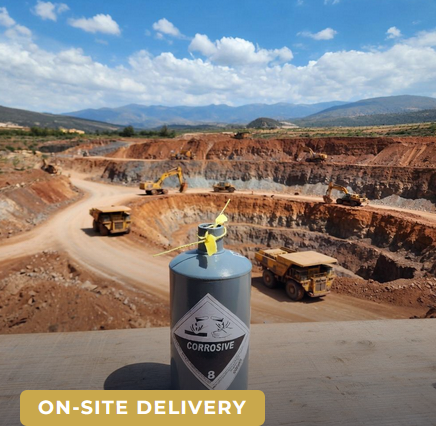
Remote mine sites cannot afford empty tanks. Ask about warehouse locations, safety stock, delivery lead times, and transport licences for hazardous goods. A supplier with local storage and tested routes can respond to shortages in days rather than weeks, which protects production.
3. Technical Support on Site
Strong suppliers send technical staff, not only sales reps. They review dosing, help troubleshoot recovery drops, and suggest adjustments as ore changes. Ask how quickly they respond to a problem call, and who exactly will answer it. Written response times help.
Contracts and Costs: Closing the Deal With Your Chemicals Supplier
1. Reading Beyond the Price
The lowest quote can hide costs through weaker purity, extra freight, or slow delivery. Compare total cost per ounce recovered, not only price per tonne. Include transport, storage, and downtime risk over a year to see which offer truly saves money.
2. Contract Terms That Matter
Check specification clauses, rejection rights for off-spec batches, delivery penalties, price adjustment rules, and liability for incidents. Ask for a small trial order before committing. Clear terms protect both sides and show whether the supplier expects a long working relationship.
The Final Checklist
Choosing a gold extraction chemicals supplier comes down to evidence. Verify certifications, test batch quality, confirm delivery routes, and see how technical support responds before you sign. Compare total recovery cost, not only the quoted price, and start with a small trial order. A dependable partner protects your people, your environment, and your output. Take this guide to your next supplier meeting, ask the hard questions, and trust the answers that come with documents attached. The right supplier will gladly welcome the scrutiny and keep your circuit running without surprises.
FAQs
1. Which documents should a supplier provide before the first order?
Request licences, quality certificates, safety data sheets, certificates of analysis, insurance proof, and transport permits for hazardous goods. Missing documents should pause the conversation.
2. Should I use more than one supplier?
Often yes. A second approved supplier gives you backup during shortages, strengthens price negotiations, and lowers the risk of a single point of failure.
3. Are local suppliers better than overseas ones?
Local suppliers usually deliver faster and respond sooner, while overseas ones may offer lower prices. Compare lead times, customs risk, and total landed cost.
4. How often should I review supplier performance?
Review quarterly. Track delivery punctuality, batch quality, incident reports, and support response, then discuss gaps openly before they turn into recurring problems.
5. What are the biggest red flags when choosing a supplier?
Watch for missing certificates, vague specifications, pressure to sign quickly, unusually low prices, and reluctance to allow site or facility audits. Each deserves scrutiny.

Need Industrial Chemical Supply?
AsydeX Labs supplies high-purity chemicals to mining operations worldwide. ISO 9001:2015 certified.
Request a Quote →