Unusual chemical offers and claims of rare materials can attract buyers looking for valuable industrial products. However, some sellers use misleading promises to trick people into paying for substances that lack scientific proof. Knowing how a red mercury supplier scam works can help buyers avoid financial losses, protect their businesses, and make informed decisions before trusting any seller.
What Is the Red Mercury Scam?
Red mercury scams involve sellers who claim to possess a rare, highly valuable substance with extraordinary industrial, military, or scientific uses. They often describe it as a powerful chemical with secret properties and an extremely high market value.
However, credible scientific evidence does not support these claims. Scammers use mystery, secrecy, and unrealistic prices to create excitement and pressure buyers into making quick payments.
7 Warning Signs of a Red Mercury Supplier Scam
Recognizing common warning signs can help buyers avoid fraudulent chemical offers. Watch for these red flags before engaging with any seller.
1. Unrealistic Claims About Product Value
Scammers often describe red mercury as an extremely rare substance worth millions. They use impressive prices to attract buyers who hope to earn large profits. Treat extraordinary financial promises as a serious warning sign.
2. No Verifiable Business Details
A genuine chemical supplier should provide clear business information. Be cautious when sellers:
- Hide their registered business name.
- Avoid sharing a verifiable business address.
- Use temporary email accounts or unknown phone numbers.
- Refuse to provide company registration details.
Always verify the seller’s business identity before discussing a purchase.
3. Fake Laboratory Reports
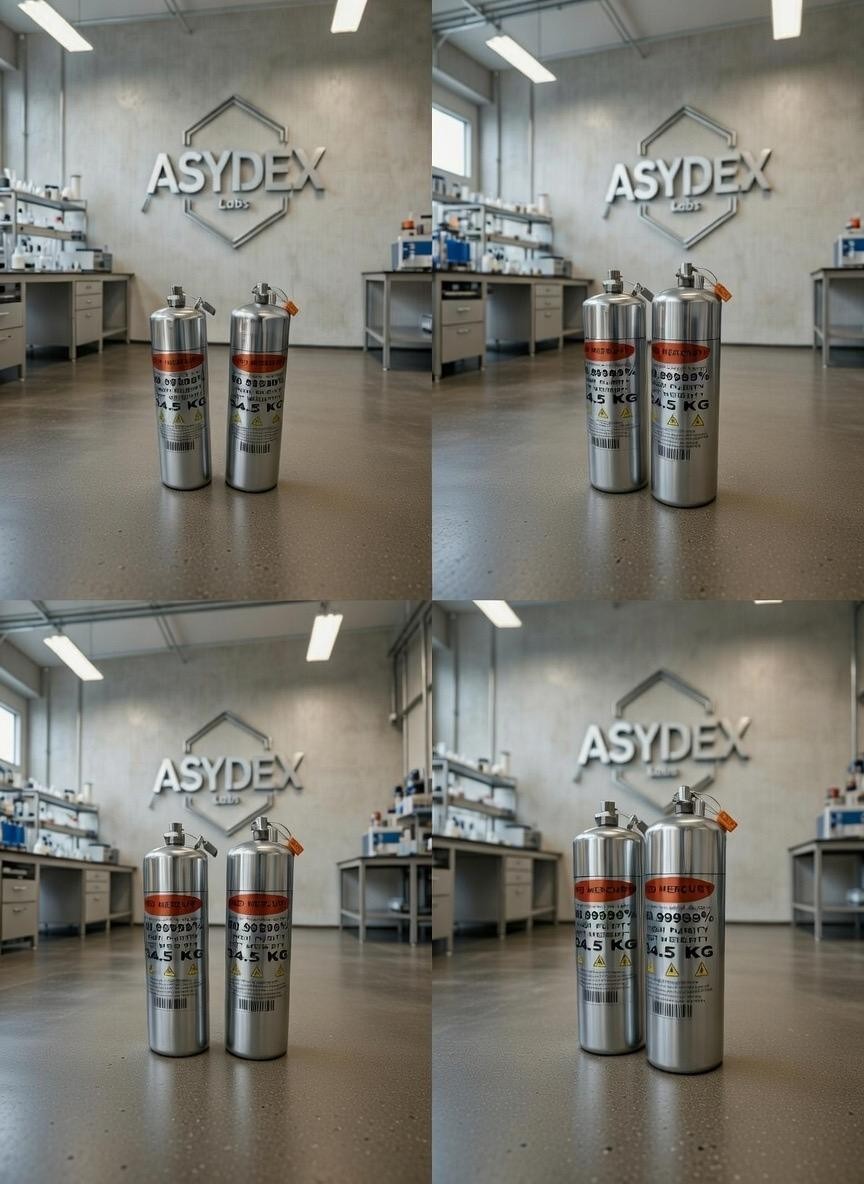
Fraudulent sellers may share certificates, laboratory reports, or product photographs to appear trustworthy. However, these documents may contain false information or belong to unrelated products.
Contact the issuing laboratory directly and verify every certificate before accepting its claims.
4. Pressure to Make Advance Payments
Scammers often demand immediate payments to secure a supposedly limited supply. They may request cryptocurrency, cash transfers, or payments through untraceable channels.
Avoid sellers who rush financial decisions or refuse secure payment arrangements.
5. Secretive Product Information
A seller who refuses to explain the product’s identity, composition, or legitimate purpose raises serious concerns. Claims about government secrets or restricted scientific information do not replace reliable evidence.
6. No Independent Verification
A trustworthy chemical business should welcome reasonable questions and independent checks. If a red mercury supplier refuses third-party verification or provides no credible scientific documentation, walk away.
7. Unusual Shipping and Handling Charges
Some scammers request additional money for special permits, security clearances, customs fees, or confidential transportation. These charges often appear after the buyer makes an initial payment.
Verify every shipping and regulatory requirement through official sources.
How to Protect Yourself From Chemical Supplier Scams
Use these practical steps before trusting an unfamiliar chemical seller:
- Verify company details: Check business registration, contact information, and operating history.
- Check scientific claims: Consult credible scientific publications and qualified chemical professionals.
- Validate documents: Confirm laboratory reports directly with their issuing organizations.
- Avoid rushed payments: Never send money because a seller creates artificial urgency.
- Research seller history: Look for independent reviews, complaints, and reports of fraudulent activity.
- Follow regulations: Consult relevant authorities before handling or importing unfamiliar chemical substances.
Final Thoughts
Red mercury scams rely on unrealistic promises, secrecy, and financial pressure. Buyers can reduce their risks by checking business credentials, questioning extraordinary claims, and verifying documents independently. A careful approach helps protect money, business relationships, and professional credibility when evaluating unfamiliar chemical suppliers.
Frequently Asked Questions
1. Is red mercury a scientifically proven substance?
No. Credible scientific evidence does not establish red mercury as the extraordinary material that scammers describe. Buyers should question sellers who make unsupported claims about its properties.
2. How can I identify a fake red mercury supplier?
Look for warning signs such as unrealistic prices, fake certificates, missing business details, advance payment demands, and refusal to allow independent verification.
3. Why do scammers sell red mercury?
Scammers use claims about rarity, secrecy, and extraordinary value to attract buyers and collect money through fraudulent transactions.
4. Are red mercury laboratory certificates reliable?
Not automatically. Fraudulent sellers can share altered or unrelated documents. Always contact the issuing laboratory and verify the report independently.
5. What should I do if someone offers me red mercury for sale?
Avoid making payments or handling unknown substances. Preserve messages and payment records, verify the seller’s identity, and report suspected fraud to the relevant authorities.

Need Industrial Chemical Supply?
AsydeX Labs supplies high-purity chemicals to mining operations worldwide. ISO 9001:2015 certified.
Request a Quote →