
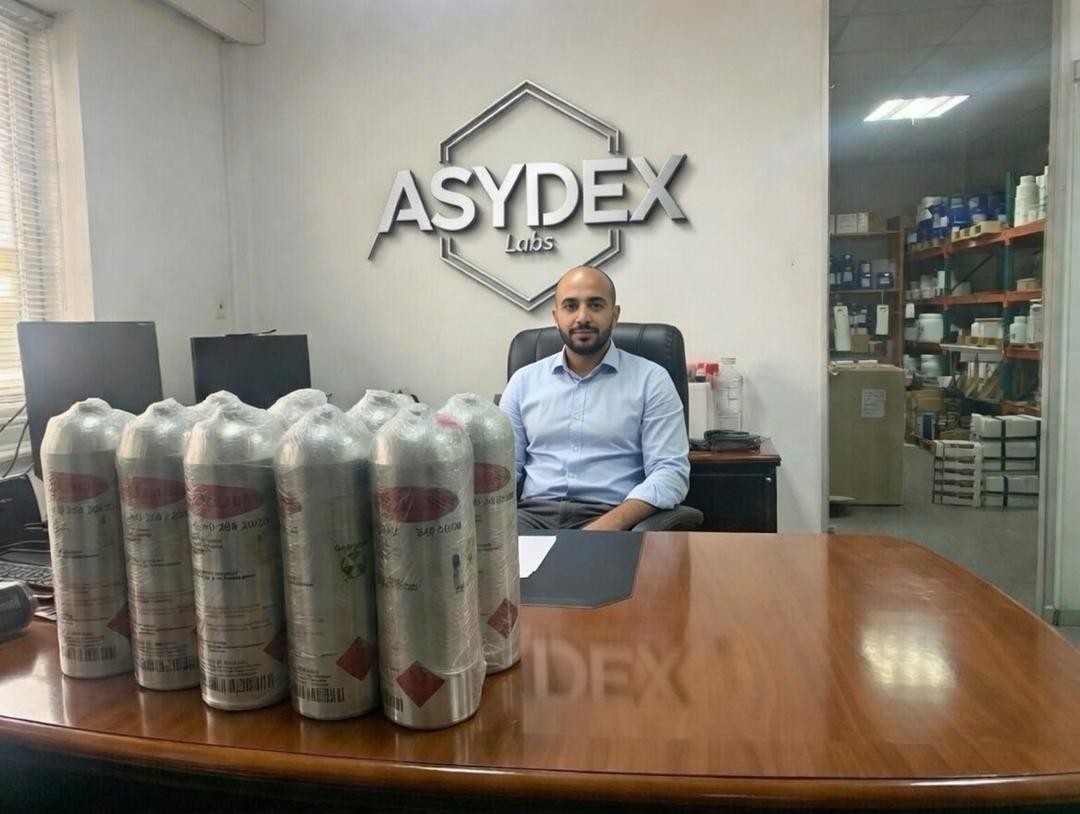
The global mining industry depends heavily on mineral processing chemicals to improve ore recovery, optimize efficiency, and reduce operational costs. Choosing the right chemicals is not just about price—it directly impacts productivity, environmental compliance, and overall plant performance. Whether you operate in mining, metallurgy, or industrial mineral processing, understanding the essential buying factors can help you make a smarter investment.
Why Mineral Processing Chemicals Matter
Mineral processing operations involve several stages such as crushing, grinding, flotation, and dewatering. High-quality mineral processing chemicals enhance separation efficiency and maximize valuable mineral recovery. They also help reduce waste generation and improve sustainability in modern mining operations.
1. Understand the Type of Ore
Different ores require different chemical formulations. Sulfide ores, oxide ores, and rare earth minerals all react differently during flotation and separation processes.
Key Considerations:
- Analyze ore composition before selecting chemicals
- Conduct laboratory testing for compatibility
- Evaluate pH sensitivity and mineral behavior
Using unsuitable reagents can reduce recovery rates and increase operational expenses.
2. Evaluate Chemical Performance
Performance is one of the most critical factors when purchasing processing chemicals. Efficient products improve separation, reduce impurities, and maintain process stability.
Important Performance Indicators:
- Recovery efficiency
- Selectivity during flotation
- Faster settling and filtration
- Reduced reagent consumption
High-performance mineral processing chemicals may appear expensive initially but often lower long-term processing costs.
3. Check Environmental and Safety Compliance
Mining regulations are becoming stricter worldwide. Buyers should prioritize environmentally friendly and low-toxicity chemicals.
Look for:
- Compliance with local environmental regulations
- Biodegradable formulations where possible
- Safe handling and storage requirements
- Reduced hazardous emissions
Sustainable chemicals not only protect workers but also improve a company’s ESG profile.
4. Supplier Reputation and Technical Support
A reliable supplier does more than deliver products. Technical guidance and after-sales support can significantly improve operational efficiency.
Choose Suppliers That Offer:
- Consistent product quality
- On-site technical assistance
- Custom chemical solutions
- Timely delivery and inventory management
Experienced suppliers often help optimize dosage levels and troubleshoot plant challenges effectively.
5. Cost vs. Long-Term Value
Price should never be the only deciding factor. Lower-cost chemicals may lead to poor recovery rates, excessive consumption, or equipment issues.
Compare Total Value:
- Dosage efficiency
- Operational savings
- Equipment compatibility
- Reduced downtime
Investing in premium-quality chemicals often results in better profitability over time.
6. Compatibility with Existing Equipment
Some chemicals can corrode equipment or create operational inefficiencies if not properly matched with plant systems.
Before Buying:
- Verify compatibility with flotation cells and pipelines
- Assess storage requirements
- Check interaction with existing reagents
This step helps prevent maintenance issues and unexpected shutdowns.
Final Thoughts
Selecting the right mineral processing chemicals requires a balance of performance, safety, cost efficiency, and supplier reliability. Mining companies that carefully evaluate ore characteristics, environmental impact, and long-term operational value are more likely to achieve consistent recovery rates and sustainable growth. A strategic chemical selection process ultimately improves productivity while reducing operational risks.
FAQs
1. What are mineral processing chemicals used for?
Mineral processing chemicals are used to improve ore separation, flotation efficiency, dewatering, and recovery of valuable minerals during mining operations.
2. How do I choose the right flotation reagent?
The right flotation reagent depends on ore type, mineral composition, pH conditions, and desired recovery rates. Laboratory testing is usually recommended before large-scale use.
3. Are eco-friendly mineral processing chemicals effective?
Yes. Many modern eco-friendly formulations deliver strong flotation and separation performance while reducing environmental impact and toxicity.
4. Why is supplier technical support important in mineral processing?
Technical support helps optimize chemical dosage, improve recovery rates, reduce reagent waste, and solve operational issues quickly.
5. Can low-cost chemicals increase mining costs?
Yes. Poor-quality chemicals may require higher dosages, reduce recovery efficiency, and increase equipment maintenance costs, leading to higher overall operational expenses.

Need Industrial Chemical Supply?
AsydeX Labs supplies high-purity chemicals to mining operations worldwide. ISO 9001:2015 certified.
Request a Quote →