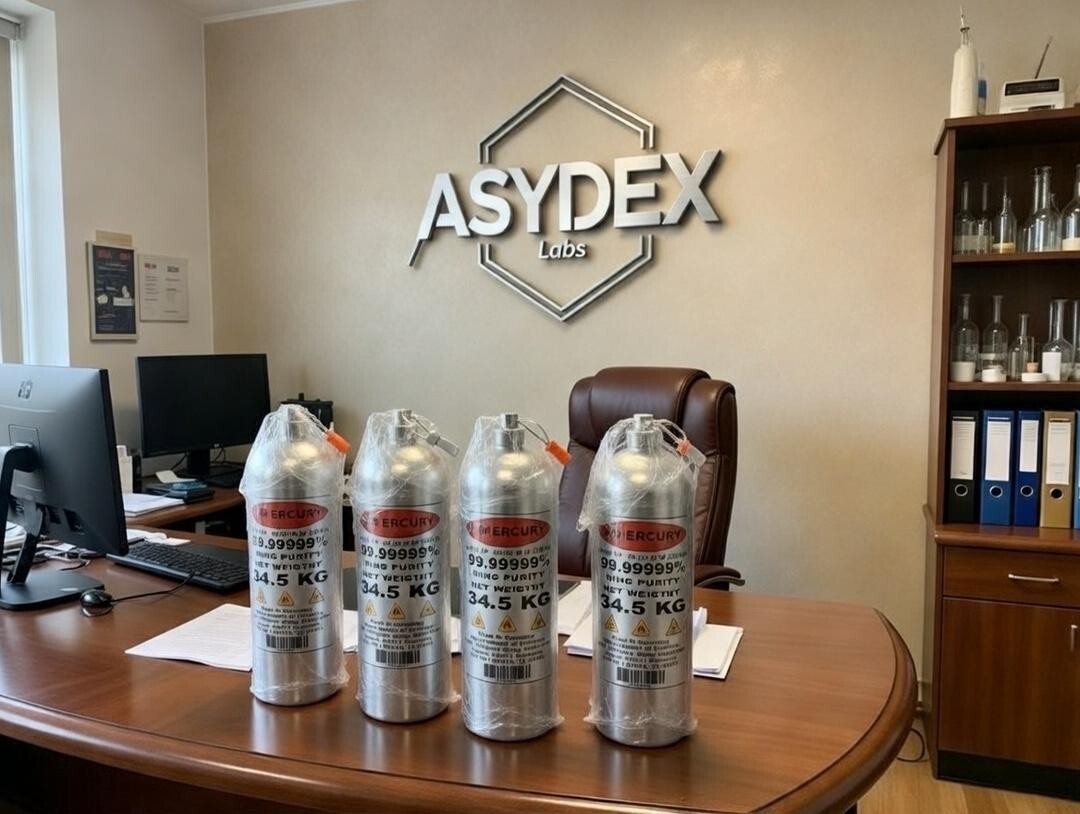
A glossy label can promise anything, including a substance that may not exist. Every year, buyers get approached by an industrial red mercury supplier offering a cherry-red liquid at truly absurd prices. Before money moves, it helps to know exactly what is being sold. This guide separates myth from chemistry, shows you the warning signs of a scam, and explains how to verify any industrial material order before payment. Stay with us to the last section, where a short checklist pulls everything together and could save you real money.
Red Mercury: Legend Versus Lab Results
1. Red Mercury
Red mercury is a name attached to a supposed cherry-red substance, often claimed to be a nuclear weapons ingredient. No independent laboratory or government agency has ever confirmed such a material exists. Most samples tested over the years turned out to be ordinary mercury compounds, dyes, or mixtures.
2. Cinnabar
Cinnabar is mercury(II) sulfide, a real red mineral that has been ground into vermilion pigment for centuries. It is a legitimate, documented material with a known formula and CAS number. Sellers sometimes borrow its color to make an invented product look credible.
Red Mercury Red Flags
1. Prices that defy sense: Genuine mercury compounds sell at modest, publicly listed rates. Offers claiming tens of thousands of dollars per kilogram for red mercury should stop you cold. Inflated pricing is the bait, because the real goal is collecting your advance payment or fees.
2. Pressure and secrecy: Scammers love urgency. Expect claims of a limited batch, a secret buyer, or a deal that must close today. They also ask for upfront fees for permits, escrow, or customs. A legitimate seller shares documents openly and lets you take your time.
3. Paperwork that goes missing: Ask for a safety data sheet, a certificate of analysis, and a business registration. Fraudulent sellers dodge these or send documents with mismatched names and dates. A real chemical has a CAS number you can check yourself in public databases.
Red Mercury Reality Check: Health and Legal Stakes
1. Real mercury is hazardous: Mercury compounds are toxic. Vapor and dust can damage the nervous system and kidneys, and spills need trained cleanup. The Minamata Convention restricts mercury trade worldwide, so even legitimate purchases often require licenses, documented end use, and careful handling. Treat any bottle as hazardous.
2. Legal exposure is real: Trying to buy or sell a substance billed as a weapons material can draw attention from law enforcement, even when the product is fake. Buyers have lost money and faced investigations. If someone pitches you this deal, keep the messages and report them to local authorities.
Red Mercury Order Checklist: Verify Before You Pay
1. Confirm identity by CAS number: Match the CAS number, chemical name, and formula on the quote against a trusted database. If the seller offers only a nickname or a color, walk away. Reputable suppliers name the exact compound, such as mercury(II) sulfide, and list its purity.
2. Test it independently: Hire an accredited lab to analyze a sample before you pay in full. Use a third-party inspector at the source for large orders. Pay through traceable methods with buyer protection, never by wire to a personal account or in cash. Those steps cost little compared with a lost deposit.
The bottom line
A bright label proves nothing, and a bright price should worry you. If an industrial red mercury supplier contacts you, treat the pitch as unverified until a lab, paperwork, and a registered business say otherwise. Real materials have names, formulas, and documents you can check. Fake ones have urgency and secrecy. Ask for proof, test before you pay, and report anything that smells wrong. Use the steps above on every chemical order, and your money, reputation, and safety stay far more secure than any seller’s confident promise.
FAQs
1. Is red mercury real?
No verified evidence supports it. Laboratories that tested samples found ordinary mercury compounds, dyes, or mixtures, and no agency has confirmed a special weapons material.
2. Why is it always cherry red?
Color is cheap marketing. Sellers pick a dramatic shade because it looks rare, but real compounds are identified by formula and testing, not appearance.
3. What should I do if I receive an offer?
Stop all contact, send no money, and save every message. Report the offer to local police or your national fraud reporting center.
4. Is mercury(II) sulfide legal to buy?
Rules vary by country. Many places limit mercury trade under the Minamata Convention, so check local regulations and confirm the seller holds the required licenses.
5. Can a lab test settle the question?
Yes. An accredited lab can identify the exact compounds in a sample, which shows quickly whether the product matches the claim.

Need Industrial Chemical Supply?
AsydeX Labs supplies high-purity chemicals to mining operations worldwide. ISO 9001:2015 certified.
Request a Quote →