
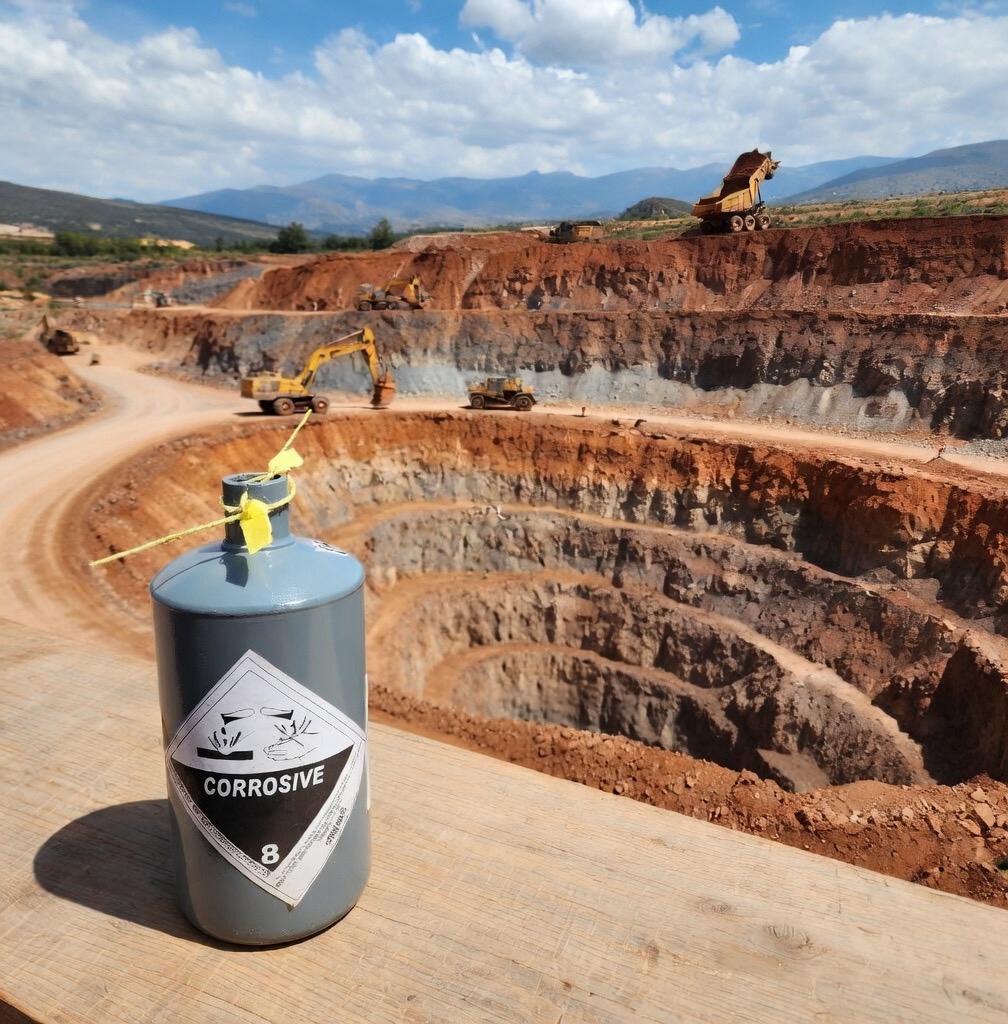
Choosing the right chemicals can shape the efficiency, cost, and safety of a gold recovery process. Different ores contain different minerals, impurities, and gold forms, so one chemical approach may not work equally well for every deposit. Working with a knowledgeable gold extraction chemicals supplier can help mining teams match chemical selection with ore characteristics and processing goals.
Why Ore Type Matters in Gold Extraction
Gold ore can contain gold in different physical and chemical forms. Some ores release gold easily during processing, while others lock gold inside sulfide minerals or other materials. These differences affect how chemicals interact with the ore.
Before selecting chemicals, operators should consider:
- Gold concentration and particle size
- Sulfide or oxide mineral content
- Presence of copper, iron, arsenic, or other minerals
- Clay and organic material levels
- Expected recovery rate
- Water quality and process conditions
- Environmental and regulatory requirements
A proper ore assessment helps reduce unnecessary chemical use and improves process planning.
Common Gold Ore Types and Chemical Considerations
1. Free-Milling Gold Ore
Free-milling ore usually allows gold to separate through relatively straightforward crushing, grinding, and concentration steps. Chemical treatment may follow physical recovery when operators need to recover fine gold that remains in the processed material.
For this ore type, mining teams often focus on chemicals that support controlled gold dissolution and recovery. The exact choice depends on laboratory testing and the complete processing circuit.
2. Sulfide Gold Ore
Sulfide ores can present greater challenges because gold may occur within sulfide minerals. Simple chemical treatment may not release enough gold from the mineral structure.
Operators may need additional pretreatment before chemical recovery. A suitable gold extraction chemicals supplier can help identify compatible reagents after reviewing mineral testing and metallurgical results.
Important factors include:
- Sulfide concentration
- Gold association with sulfide minerals
- Required pretreatment
- Recovery targets
- Reagent consumption
3. Oxide Gold Ore
Oxide ores often behave differently from sulfide ores because weathering changes the mineral structure. Some oxide deposits allow easier gold recovery, but clay, carbonaceous material, and other minerals can still affect performance.
Chemical selection should therefore follow ore characterization rather than assumptions based only on the ore’s general classification.
4. Refractory Gold Ore
Refractory ores can hold gold tightly within mineral structures. Standard processing may produce lower recovery because the chemical solution cannot easily reach the gold.
These ores often require carefully planned pretreatment followed by a suitable recovery process. Laboratory testing can show whether the selected treatment can improve gold accessibility without creating unnecessary processing costs.
How to Choose the Right Chemicals
The best chemical choice depends on more than the gold content. Mining teams should review the entire ore profile before purchasing reagents.
Consider these steps:
- Test the ore: Use representative samples to understand mineral composition and gold distribution.
- Identify recovery challenges: Check for sulfides, clays, carbonaceous matter, and reactive minerals.
- Run laboratory trials: Compare chemical performance under controlled conditions.
- Review reagent consumption: A low purchase price may not mean a low processing cost.
- Check compatibility: Make sure chemicals fit the equipment and process conditions.
- Consider handling requirements: Review storage, transport, worker protection, and environmental controls.
- Select a reliable supplier: Choose a supplier that can provide consistent quality and technical documentation.
A professional gold extraction chemicals supplier should provide product specifications, safety documentation, consistent batches, and guidance based on the intended application.
Common Mistakes to Avoid
Chemical selection can become costly when teams rely on assumptions. Avoid these common mistakes:
- Choosing chemicals only because another mine uses them
- Skipping laboratory testing
- Ignoring mineral impurities
- Focusing only on purchase price
- Using excessive chemical quantities without process data
- Overlooking storage and handling requirements
- Changing reagents without monitoring recovery results
Good process control starts with accurate ore information.
Final Thoughts
The right gold extraction chemicals depend on the ore’s mineralogy, gold association, impurities, and recovery process. Free-milling, oxide, sulfide, and refractory ores can require different approaches. Testing the ore first and working with a dependable supplier can help mining operations improve recovery, control costs, and manage chemical use responsibly.
FAQs
1. What chemicals work best for gold extraction?
There is no single chemical that works best for every ore. The right choice depends on mineralogy, gold association, impurities, and the selected recovery process.
2. Can the same chemicals work for oxide and sulfide gold ores?
Not always. Oxide and sulfide ores can respond differently during processing. Testing helps determine the most suitable chemical approach for each ore.
3. Why should I test gold ore before selecting chemicals?
Ore testing shows how minerals may react during processing. It can help identify recovery challenges and reduce the risk of selecting unsuitable or excessive reagents.
4. How do I choose a reliable gold extraction chemicals supplier?
Look for consistent product quality, clear specifications, safety documentation, technical support, and experience with your type of ore and processing requirements.
5. Does a cheaper chemical always reduce extraction costs?
No. A cheaper product may require higher consumption or produce lower recovery. Compare total processing performance rather than purchase price alone.
6. Can refractory gold ore use the same process as free-milling ore?
Usually, refractory ore needs more careful processing because the ore can restrict access to the gold. Metallurgical testing can help determine suitable pretreatment and recovery options.

Need Industrial Chemical Supply?
AsydeX Labs supplies high-purity chemicals to mining operations worldwide. ISO 9001:2015 certified.
Request a Quote →