
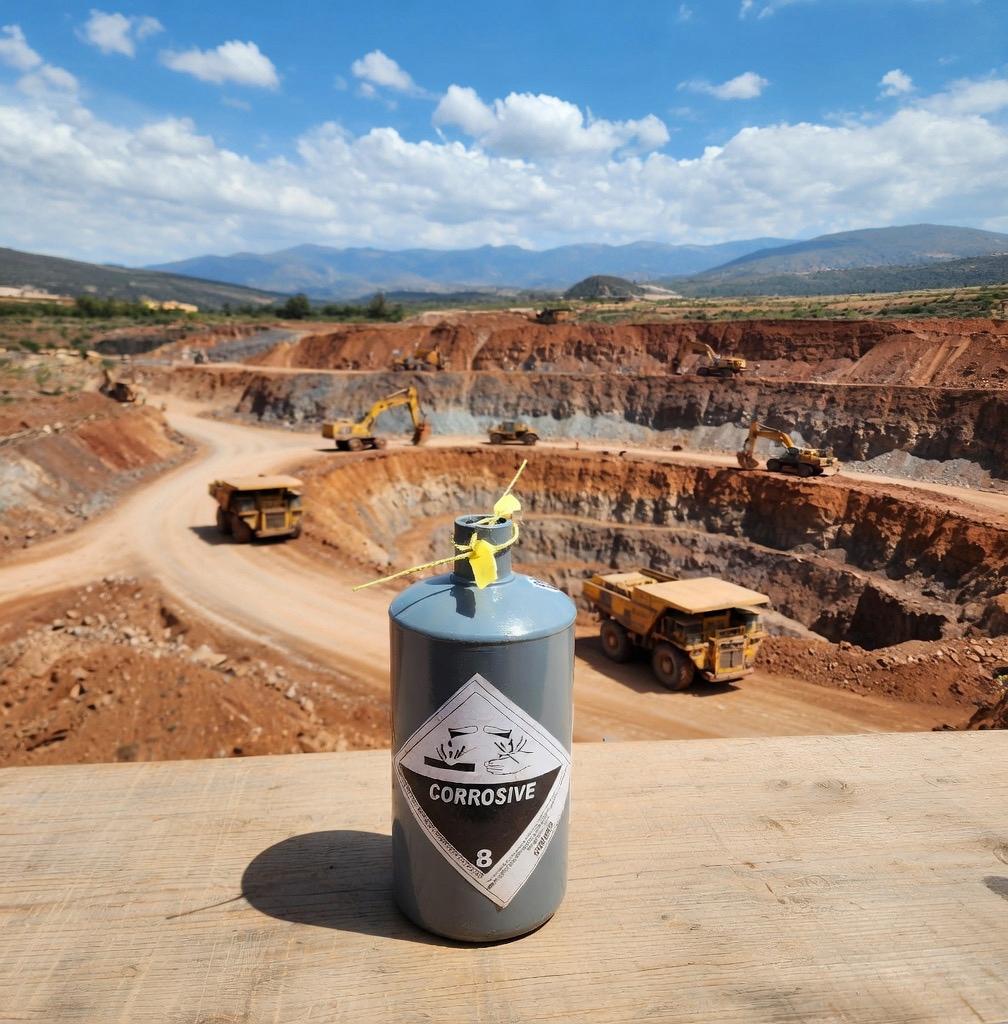
Mining is not simply about extracting ore from the ground. The real challenge is separating valuable minerals from unwanted material efficiently, consistently, and safely. This is where mineral processing chemicals can make a significant difference. When correctly selected and applied, they can improve separation, support higher recovery, reduce processing losses, and help maintain stable plant performance.
What Are Mineral Processing Chemicals?
Mineral processing chemicals are specialized reagents used during ore treatment and mineral recovery. Depending on the ore and processing method, they can assist with separation, extraction, flotation, concentration, or other stages of mineral processing.
Their effectiveness depends on more than the chemical itself. Ore characteristics, dosage, process conditions, purity, and compatibility with existing equipment all influence the final result.
How Do Mineral Processing Chemicals Improve Recovery?
The primary purpose of using processing chemicals is to make valuable minerals easier to separate from unwanted material.
For example, carefully selected reagents can influence how specific minerals interact with water, air, or other materials during a separation process. This allows processing facilities to improve selectivity and recover more of the target mineral while reducing losses to waste streams.
Key benefits can include:
- Improved mineral separation: Chemicals can help distinguish valuable minerals from gangue materials.
- Higher recovery potential: Better separation can reduce the amount of valuable material lost during processing.
- More consistent results: High-purity products with stable physical and chemical properties can support predictable processing.
- Lower chemical waste: Correct reagent selection and dosage can prevent unnecessary consumption.
- Better process efficiency: Optimized chemical treatment can complement existing mineral recovery equipment and processing systems.
Why Chemical Purity Matters in Mineral Processing
Not all chemicals deliver the same processing performance. Impurities or inconsistent composition can affect process behavior and make results difficult to reproduce.
For this reason, mining operators should evaluate chemical quality alongside price. Important checks may include:
- Certificate of Analysis (COA)
- Safety Data Sheet (SDS)
- Purity and composition specifications
- Batch consistency
- Storage and handling requirements
- Applicable regulatory documentation
Reliable documentation also helps procurement and technical teams verify that supplied materials meet their operational and compliance requirements.
How to Choose the Right Processing Chemicals
There is no universal chemical solution for every type of ore. A reagent that performs well under one set of conditions may produce different results with another mineral deposit.
Before selecting a product, consider:
- Ore mineralogy and composition
- Existing processing equipment
- Required recovery and selectivity
- Chemical dosage requirements
- pH and other process conditions
- Safety and environmental considerations
- Supplier technical support and delivery reliability
Laboratory testing and controlled trials can help determine whether a chemical is suitable before introducing it into large-scale operations.
Why Supplier Support Also Matters
Chemical performance is only one part of the equation. Consistent supply, quality verification, secure packaging, documentation, and technical guidance can all affect operational continuity.
A capable supplier should be able to provide relevant technical information, batch documentation, appropriate packaging, and support with safe handling and process integration.
The Bottom Line!
The right mineral processing chemicals can contribute to better mineral separation, improved recovery, reduced processing losses, and more consistent operations. However, achieving these benefits requires more than choosing a chemical based on cost. Ore characteristics, product purity, process compatibility, dosage, safety, documentation, and supplier reliability should all be considered before making a procurement decision.
Frequently Asked Questions
1. What factors affect the performance of mineral processing chemicals?
Performance depends on ore composition, mineralogy, chemical purity, dosage, pH, temperature, processing equipment, and operating conditions. Laboratory testing and controlled trials can help determine the most suitable chemical approach for a particular processing application.
2. Can chemical quality affect mineral recovery?
Yes. Inconsistent composition or impurities can change how a reagent behaves during processing. High-quality, consistently manufactured chemicals can make process results more predictable and help operators maintain stable recovery performance.
3. How should mining companies evaluate chemical suppliers?
Companies should assess product specifications, COA and SDS availability, batch consistency, packaging, regulatory documentation, technical support, logistics capabilities, and supplier experience. Price should be considered alongside the total operational value of the product.
4. Why is reagent optimization important?
Using too little chemical may reduce separation performance, while excessive use can increase costs and waste. Optimizing dosage helps balance recovery, selectivity, operating expenses, and process stability while avoiding unnecessary chemical consumption.
5. Are safety considerations important when selecting processing chemicals?
Absolutely. Mining chemicals should be selected and handled according to applicable safety, environmental, storage, transportation, and regulatory requirements. Proper documentation and professional technical guidance can help operators establish appropriate handling and compliance procedures.

Need Industrial Chemical Supply?
AsydeX Labs supplies high-purity chemicals to mining operations worldwide. ISO 9001:2015 certified.
Request a Quote →