
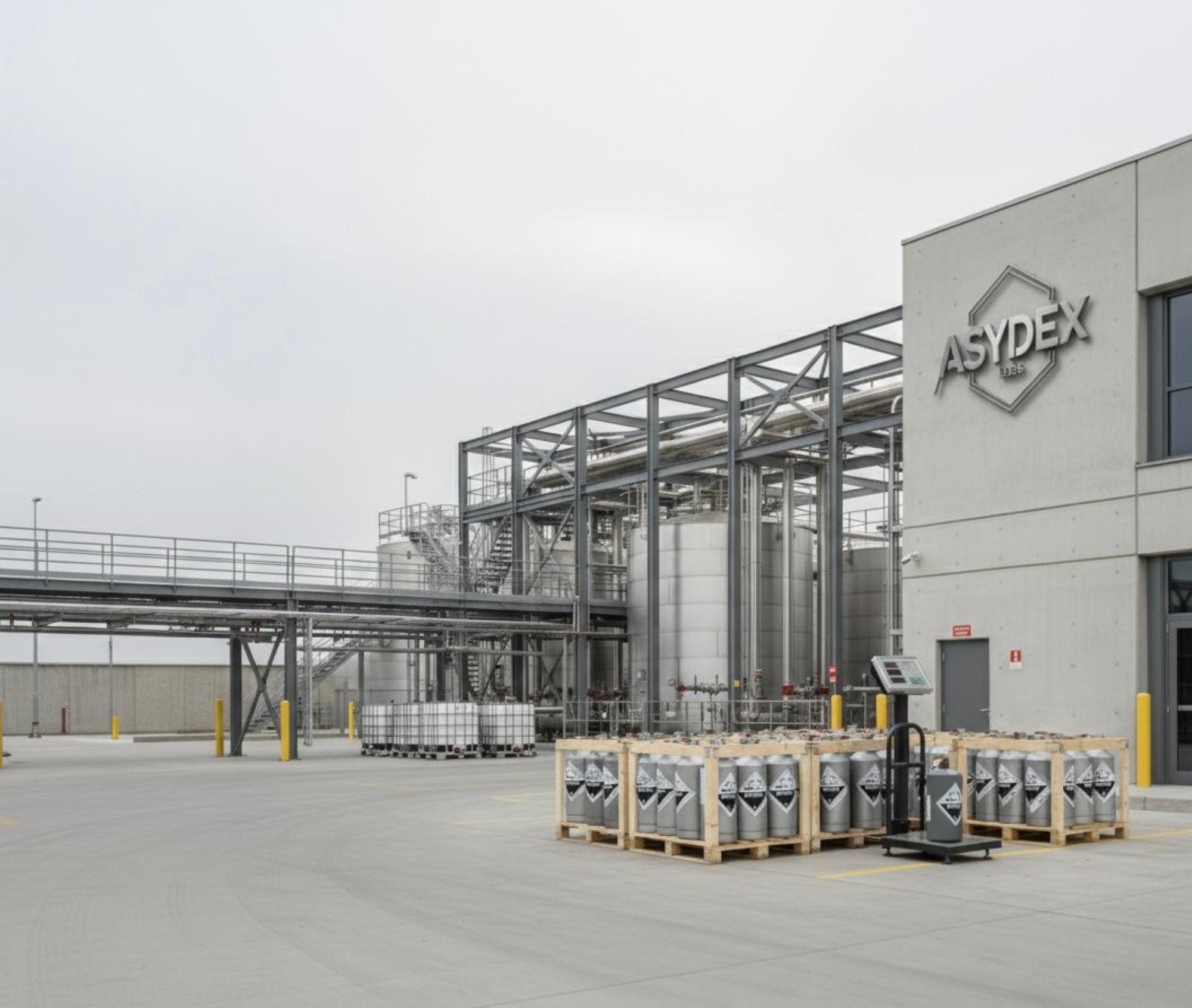
Manufacturing efficiency depends on more than modern equipment and skilled workers. The consistency, availability, and quality of raw materials also have a direct impact on production. A reliable industrial chemical supplier can help manufacturers maintain stable operations by providing suitable chemicals, dependable supply, technical information, and quality-focused support.
For manufacturers, the right supplier is not simply a source for purchasing chemicals. It can become an important part of maintaining production continuity, controlling costs, and meeting quality expectations.
What Does an Industrial Chemical Supplier Do?
An industrial chemical supplier provides chemicals and related materials used in manufacturing, processing, research, and other industrial applications. Depending on the industry, these materials may support cleaning, formulation, processing, surface treatment, laboratory work, or finished-product manufacturing.
A capable supplier typically helps businesses with:
- Product selection based on application requirements
- Consistent chemical quality and specifications
- Packaging and handling requirements
- Order quantities and supply planning
- Safety documentation and product information
- Reliable delivery schedules
This support can make chemical procurement more predictable and easier to manage.
How the Right Supplier Improves Manufacturing Efficiency
1. Helps Maintain Consistent Production
A production line can be disrupted when an essential chemical is unavailable, or its quality varies between batches. Working with a dependable supplier can help manufacturers maintain consistent access to required materials.
This is particularly important for processes where chemical properties can influence product quality, processing time, or equipment performance.
2. Supports Better Quality Control
Chemical specifications matter. Variations in purity, concentration, or formulation can affect the outcome of a manufacturing process.
An experienced industrial chemical supplier should provide clear product specifications and appropriate documentation. Manufacturers can use this information to establish incoming-material checks and maintain more consistent production standards.
3. Reduces Procurement-Related Delays
Last-minute chemical purchasing can create unnecessary pressure on procurement teams. A supplier that understands ordering cycles and production requirements can help businesses plan purchases more effectively.
For example, manufacturers can identify frequently used chemicals, establish realistic reorder points, and coordinate deliveries around production schedules.
4. Helps Control Operational Costs
The cheapest chemical is not always the most economical option. Poor consistency, excessive waste, unsuitable packaging, or unreliable delivery can increase the actual cost of production.
A better approach is to evaluate the total cost of supply, including product quality, wastage, storage, delivery reliability, and the potential impact of production interruptions.
What Should Manufacturers Look for in a Chemical Supplier?
Before choosing a supplier, consider:
- Product quality and consistency
- Technical specifications and documentation
- Supply capacity and delivery reliability
- Packaging and storage requirements
- Industry experience
- Responsiveness to customer queries
- Ability to support recurring or bulk requirements
Manufacturers should also verify that chemicals are handled, labelled, transported, and documented according to applicable requirements.
Why Supplier Selection Matters for Long-Term Efficiency
Manufacturing efficiency is built through hundreds of small decisions. Chemical procurement is one of them.
A supplier that understands product requirements and communicates clearly can help reduce avoidable delays, improve material planning, and support consistent manufacturing outcomes. For businesses that depend heavily on chemical inputs, building a dependable supply relationship can be just as important as optimizing machinery or production workflows.
Frequently Asked Questions
1. How does an industrial chemical supplier help manufacturers?
An industrial chemical supplier supports manufacturers by providing consistent chemical products, product specifications, documentation, supply planning, and dependable deliveries. This can reduce material-related interruptions and help production teams maintain consistent processes and quality.
2. Why is chemical consistency important in manufacturing?
Chemical consistency can directly affect production results. Differences in purity, concentration, or other specifications may change how a material performs during processing. Consistent products make it easier for manufacturers to maintain established processes and quality-control procedures.
3. How can manufacturers reduce chemical supply delays?
Manufacturers can reduce delays by forecasting demand, monitoring inventory levels, setting reorder points, and communicating expected requirements with their supplier. Choosing a supplier with dependable stock availability and delivery capabilities can further reduce the risk of production interruptions.
4. Should businesses choose a chemical supplier based only on price?
No. Price is only one part of the purchasing decision. Businesses should also consider chemical quality, consistency, documentation, delivery reliability, packaging, technical support, and potential waste. A slightly higher unit price may offer better overall value if it reduces operational problems.
5. What questions should I ask an industrial chemical supplier?
Ask about product specifications, quality controls, documentation, available quantities, packaging, storage requirements, lead times, delivery capabilities, and technical support. It is also useful to understand how the supplier manages product consistency and responds to changes in customer demand.

Need Industrial Chemical Supply?
AsydeX Labs supplies high-purity chemicals to mining operations worldwide. ISO 9001:2015 certified.
Request a Quote →