
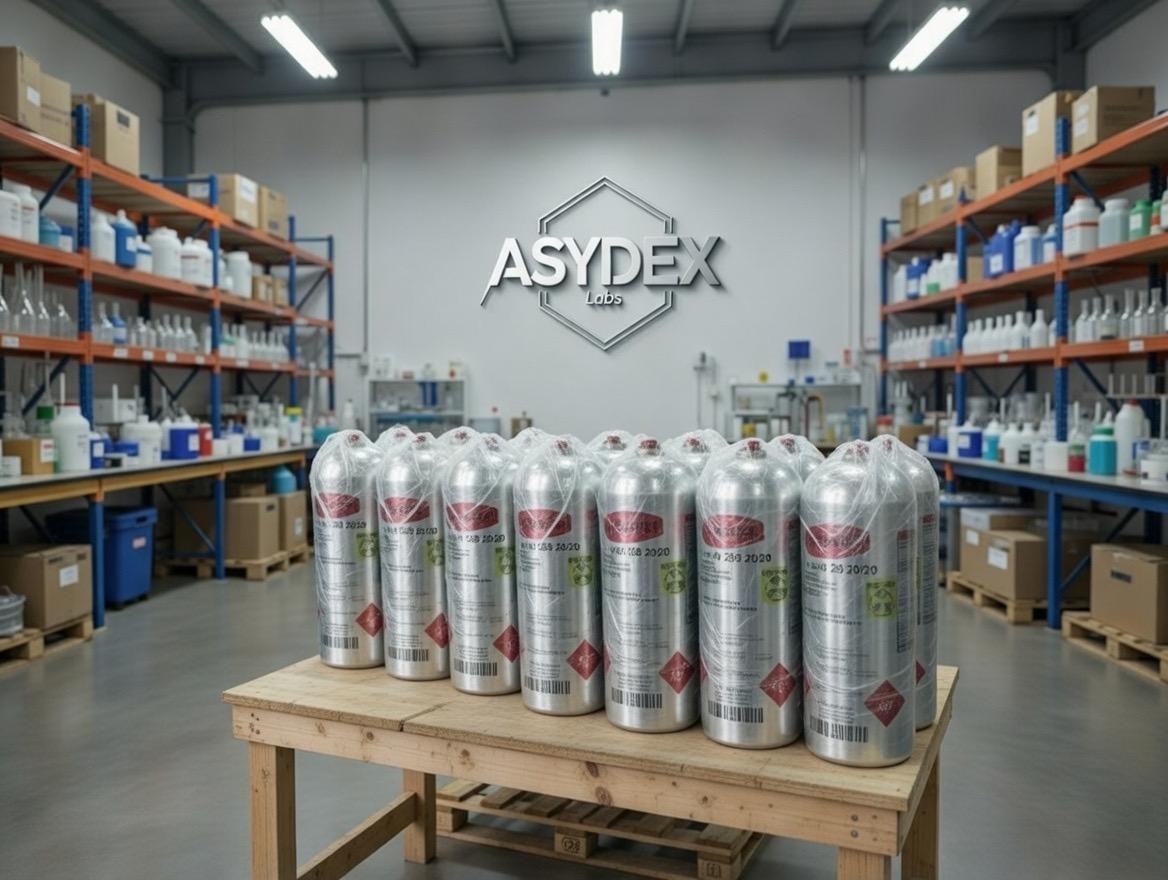
Mining operations need reliable materials, clear specifications, and strong safety controls to maintain efficient production. However, searches for a liquid red mercury supplier require extra caution because “red mercury” has a long history of unsupported claims and fraudulent sales. Before considering any mercury-related material, mining companies should verify its identity, legality, safety profile, and real industrial purpose.
What Is “Liquid Red Mercury”?
The term “red mercury” often appears in online advertisements and informal chemical markets. However, buyers should not treat the name as proof of a recognized industrial chemical.
Historical reports have described “red mercury” as a secret or highly valuable material, but credible evidence does not establish it as a standard mining chemical with a defined commercial specification. The International Atomic Energy Agency has previously described alleged red-mercury offers as fraudulent.
This distinction matters because mining companies need chemicals with known composition, documented properties, and traceable supply chains.
Why Mining Buyers Need to Be Careful
A mining company should never select a chemical only because a seller promises faster gold recovery or higher yields. Mercury itself creates serious health and environmental concerns.
The World Health Organization states that mercury can harm the nervous, digestive, and immune systems, as well as the lungs, kidneys, skin, and eyes. It also identifies mercury exposure as a major public health concern.
Before dealing with any liquid red mercury supplier, consider these important factors:
- Chemical identity: Ask for the exact chemical name and composition.
- Independent testing: Request laboratory verification from a qualified facility.
- Safety documentation: Review the Safety Data Sheet (SDS) before handling any material.
- Legal compliance: Check local rules for purchasing, transporting, storing, and using mercury.
- Supplier transparency: Verify the company’s registration, physical presence, and business records.
- Traceability: Look for clear information about origin, batch numbers, and testing.
- Mining suitability: Confirm that the material has a legitimate, documented use for your specific process.
Verify the Chemical Before Buying
Chemical identity should come before price, availability, or performance claims. A professional buyer should ask for documentation that clearly identifies the material.
Useful documents may include:
- Certificate of Analysis (CoA)
- Safety Data Sheet (SDS)
- Batch or lot information
- Independent laboratory results
- Manufacturer information
- Transportation and storage requirements
- Applicable regulatory documentation
A vague product description should raise concerns. If a seller cannot provide a clear chemical identity or relies mainly on extraordinary claims, the buyer should stop the transaction and seek independent verification.
Consider the Health Risks of Mercury
Mercury exposure creates significant occupational risks in mining. WHO reports that workers can inhale toxic mercury vapors during industrial processes. Mercury can also enter soil and water and eventually contribute to environmental contamination.
Artisanal and small-scale gold mining presents particular concerns. WHO explains that traditional mercury amalgamation can expose workers and nearby communities to high mercury vapor levels during processing.
For this reason, mining companies should prioritize processes that reduce or eliminate mercury exposure whenever practical.
Check Supplier Credibility
Choosing a chemical supplier requires more than checking an online listing. A credible supplier should communicate clearly and provide verifiable information.
Look for:
- A verifiable business identity – Confirm company registration and contact details.
- Technical documentation – Request relevant product and safety documents.
- Transparent specifications – Avoid products with unclear composition.
- Quality control – Ask how the company tests each batch.
- Regulatory awareness – Confirm that the supplier understands applicable chemical regulations.
- Professional communication – Be cautious if a seller avoids technical questions.
- Independent verification – Use a qualified laboratory when product identity remains uncertain.
These checks can help mining companies avoid counterfeit, misidentified, or illegally marketed materials.
Look for Mercury-Free Mining Alternatives
Mining companies should also evaluate whether they need mercury at all. WHO recommends eliminating mercury mining and reducing mercury use in gold extraction and other industrial processes. It specifically promotes non-mercury techniques for gold recovery.
Depending on the ore and operation, companies may investigate alternatives such as:
- Gravity-based concentration
- Physical separation
- Flotation
- Other professionally engineered mineral-processing methods
- Process improvements that increase recovery without mercury
The right alternative depends on ore characteristics, recovery targets, equipment, operating conditions, and environmental requirements.
Avoid Unrealistic Supplier Claims
Online chemical advertisements can create confusion. Buyers should be particularly cautious when sellers claim that a material has secret properties, extraordinary recovery capabilities, or unusual applications without credible technical evidence.
A genuine mining chemical should have a clear identity and measurable specifications. Claims should also match recognized technical literature and laboratory evidence.
If a seller describes “liquid red mercury” as a special mining solution but cannot provide credible analytical evidence, treat the claim as a serious warning sign.
Compliance and Environmental Responsibility
Mining companies must consider more than production efficiency. Chemical use can affect workers, surrounding communities, soil, water, and waste-management systems.
The Minamata Convention framework addresses mercury pollution, while WHO encourages safer practices and reduced mercury use in mining.
Before introducing any mercury-containing material into a mining operation, review the relevant national and local requirements. Professional environmental and chemical-safety specialists can help companies understand applicable obligations.
Final Thoughts
Choosing a chemical for mining requires evidence, documentation, and careful risk assessment. The term “red mercury” should not automatically imply a legitimate or specialized mining material. Companies searching for a liquid red mercury supplier should verify chemical identity, supplier credentials, laboratory evidence, safety documentation, and legal requirements before making any decision. In many cases, mercury-free recovery methods may offer a safer and more sustainable path.
FAQs
1. Is liquid red mercury a recognized mining chemical?
There is no reliable basis for treating “red mercury” as a standard, well-defined mining chemical. Buyers should verify any product through independent laboratory testing and credible technical documentation.
2. Can I trust an online liquid red mercury supplier?
Do not trust a supplier based only on an online advertisement. Check its business identity, product documentation, chemical specifications, laboratory evidence, and regulatory compliance before considering any transaction.
3. Is mercury safe to use for gold mining?
Mercury can create serious occupational and environmental risks. WHO recommends eliminating mercury use in gold extraction where possible and promoting non-mercury techniques.
4. What documents should a mining chemical supplier provide?
A buyer should normally request a Safety Data Sheet, Certificate of Analysis, product specifications, batch information, manufacturer details, and relevant regulatory documentation.
5. How can I verify an unusual mining chemical?
Use an independent, qualified laboratory to identify and analyze the material. Do not rely solely on a seller’s product name, photographs, certificates, or performance claims.
6. Are there alternatives to mercury in gold recovery?
Yes. Mining operations can evaluate physical and chemical processing methods that avoid mercury. Gravity concentration and other mineral-processing techniques may suit certain ores, but the best option depends on the specific ore and process.
7. Why should mining companies avoid unverified chemical products?
Unverified materials may have an unknown composition, create safety hazards, cause environmental harm, or fail to deliver the claimed performance. Proper verification helps protect workers, equipment, production, and the surrounding environment.

Need Industrial Chemical Supply?
AsydeX Labs supplies high-purity chemicals to mining operations worldwide. ISO 9001:2015 certified.
Request a Quote →